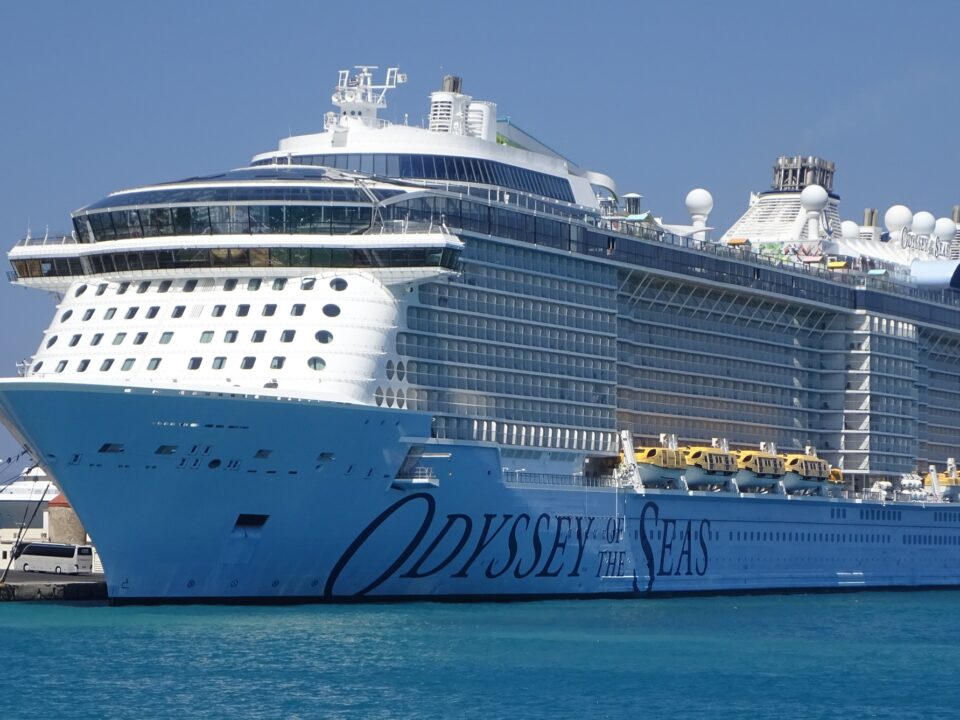
We are told tourism can be green, equitable, and restorative. The truth is more complicated and far more uncomfortable.
Two years after the pandemic brought the world to a standstill, global tourism is booming again. By mid-2025, arrival numbers had surpassed pre-COVID levels, a roaring comeback fuelled by pent-up demand. In response to its heavy footprint, which accounts for an estimated 8% of global greenhouse gas emissions, the industry now promotes “sustainable tourism” as the solution. It promises a harmonious blend of economic growth, environmental care, and social justice. A perfect fix for an imperfect world.
Yet behind the eco-labels and optimistic slogans lies a deeper paradox. The very industry that drives development in countless communities also worsens inequality and accelerates environmental degradation. The conversation around sustainable travel remains dominated by individual choices, such as offsetting flights or reusing hotel towels. Moving beyond these superficial gestures requires confronting far more uncomfortable truths about who holds power, the limits of technology, and why so many well-intentioned policies ultimately fail. Can tourism ever be truly sustainable, or is its modern form inherently extractive?
Sustainable development is not a new idea, but tourism’s relentless, growth-driven model now collides with the planet’s finite resources. The scale of the travel surge is straining destinations everywhere, from the canals of Venice to the beaches of Bali. Even Costa Rica, long a leader in ecotourism with over a quarter of its land protected, is facing the consequences of its own success. Its national parks are overcrowded, vital water resources are under pressure, and the infrastructure supporting tourism is creating its own environmental toll. The Philippine island of Boracay was forced to shut down for six months in 2018 to recover from rampant, unregulated development. It was a stark warning of what happens when ecosystems are pushed beyond their limits.
Social impacts, often less visible than a polluted beach, are frequently the first to be ignored. In Barcelona, overtourism has fuelled widespread anti-tourist sentiment, a phenomenon dubbed tourismophobia, as residents are priced out of their own neighbourhoods by short-term rentals and the very character of the city erodes. Venice introduced an entry fee in 2024 to manage overwhelming crowds, but the results have been mixed. Critics argue the fee simply monetises the problem without addressing deeper issues, such as the replacement of local bakeries with souvenir shops. In response, several European capitals are forming coalitions aimed at tackling the housing crisis and increasing citizen involvement in urban planning.
Beneath all this lies the critical issue of economic leakage. The United Nations Environment Programme estimates that for every $100 spent by a tourist from a developed country in a developing one, only about $5 remains in the local economy. The rest flows back to international airlines, hotel chains, and tour operators. This undermines the central argument for mass tourism: that it brings clear economic benefit to host communities. In reality, it often creates low-wage, seasonal jobs while the bulk of profits are repatriated elsewhere, deepening global economic imbalances.
Make your travel expenses contribute locally!
— Beachmeter (@beachmeter) April 15, 2015
Avoid #Leakage! #SustainableTourism #ecotourism@STI_travel @ecotravel pic.twitter.com/UaOKcBBZAM
In search of solutions, the industry increasingly turns to technology. Hotels use AI to optimise energy consumption and reduce food waste. The metaverse promises “digital twin” travel experiences, allowing people to visit the Louvre or the Great Barrier Reef from their living rooms in a bid to reduce emissions. Yet does a virtual trip truly democratise tourism, or does it strip culture of its authenticity and turn it into another digital commodity? While such technologies may offer value, they also risk becoming distractions from the need for structural reform. Meanwhile, greenwashing continues. Eco-certifications, though well-intentioned, often favour large hotel chains that can afford the high fees and bureaucratic requirements, putting smaller, genuinely local operators at a disadvantage. Similarly, carbon offsetting schemes for flights have been widely criticised as ineffective, allowing travellers to pay for a clear conscience without guaranteeing any real reduction in atmospheric carbon.
Real progress will not come from a single fix but from a mosaic of local, adaptive, and community-led solutions. In Iceland, sophisticated data models help officials manage tourist flows around volcanic activity, protecting both visitors and fragile landscapes. The UN’s Bahamas Sustainable Island Challenge is experimenting with new models for waste management and renewable energy, tailored to the specific realities of small island nations.
Sustainable tourism is not a destination that can be reached and then checked off. It is an ongoing process of negotiation and adaptation. What is required is a radical shift in mindset, from endless growth to regeneration. This means restoring ecosystems, empowering local communities, and redefining success not by the number of visitors but by the long-term value created for people and place. It demands collaboration with residents and all stakeholders, ensuring they are true partners, not just background scenery in a curated travel experience. The ultimate challenge is not to abandon tourism, but to remake it into something that enhances a place instead of overwhelming it.