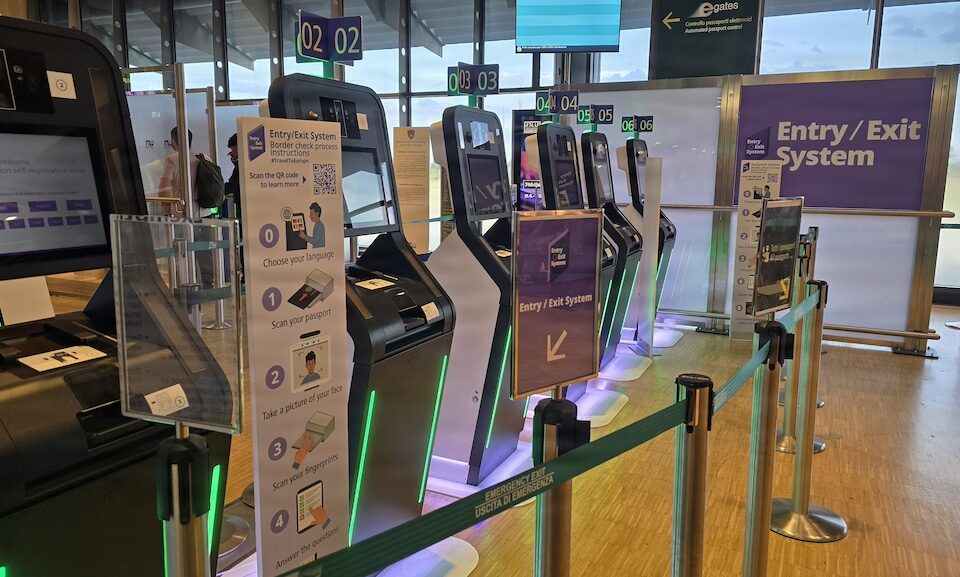
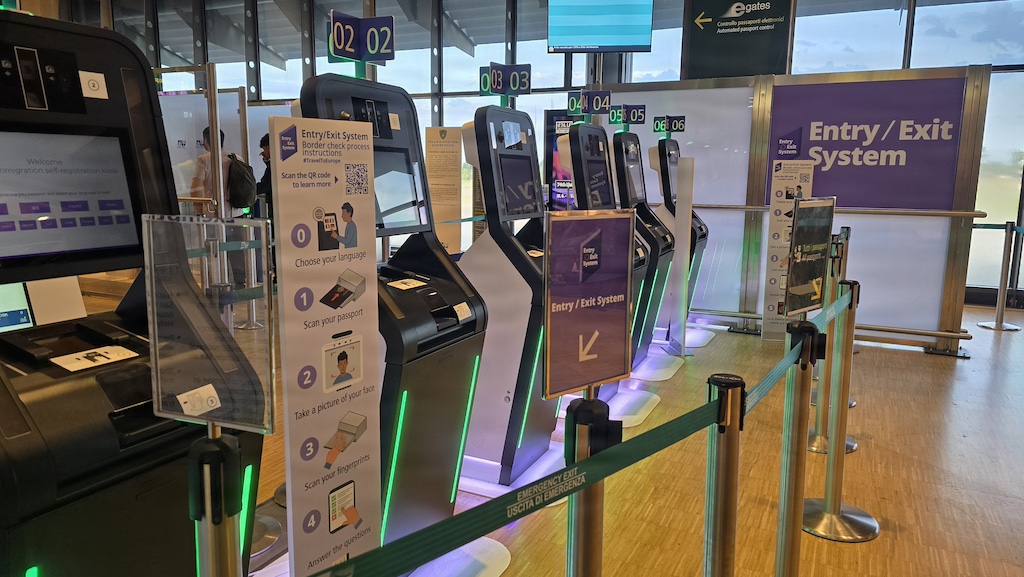
An e-gate failure at Brussels Airport that began on Friday 6 February 2026 has led to longer processing times for travellers, as all passport checks switched to manual and EU and non-EU citizens had to share the same queues. A federal police spokesperson said the cause of the incident was a software failure.
The issue started at 6:30 pm on Friday, with a technical problem affecting the electronic e-passport security lanes for European passport holders arriving from outside the Schengen area. Normally these e-gates allow European passport holders to go through security quickly and conveniently without getting caught up in queues of people with more complex visa situations to verify.
Lasting well into Saturday afternoon, the e-gate glitch saw European passport holders and third country or non-EU visitors arriving in the Belgian capital funnelled into the same security lanes, which caused long queues develop, especially over Saturday lunchtime, when waiting times to pass through security reached as long as an hour and a half.
It took until Saturday evening before processing times and queues had subsided to more normal levels, an airport spokesperson said. Writing on X on Sunday, another spokesperson said the technical problem had been resolved. At the time of writing, for those travelling outside the Schengen zone, Brussels Airport recommends arriving at the airport three hours before departure and to head quickly for passport control.
To help manage the knock-on effects of the mass delays or critical incidents, airport authorities can ask airlines to stagger boarding cut-off times and issue warnings to passengers expecting to make connections that the window for catching the next flight could be at risk.
Commentators have pointed out that similar delays and consequences could happen as a result of failings with the EU’s Entry/Exit System (EES), which is being phased in until April 2026. That system requires third country citizens to register biometric data and facial recognition images and is intended to make the bloc’s borders more secure and travellers’ journeys more seamless. But critics have said some airports and entry points are not yet ready for the system and that the checks are already causing passenger delays, not to mention the greater disruption that could ensue if a software glitch occurred.
A similar e-gate failure occurred in the United Kingdom in spring 2024, when a network routing issue affected thousands of passengers at airports across the country including Birmingham, Bristol Edinburgh, Gatwick, Heathrow, Manchester, and Stansted. While a cyber attack was ruled out at the time, Lord Foster, chair of the Lords’ Justice and Home Affairs committee, noted the vulnerability as the country prepared to roll out its own Electronic Travel Authorisation system. Foster called for Border Force staff to be “equipped and trained to deal with such situations” because “resilience in our systems is essential.”