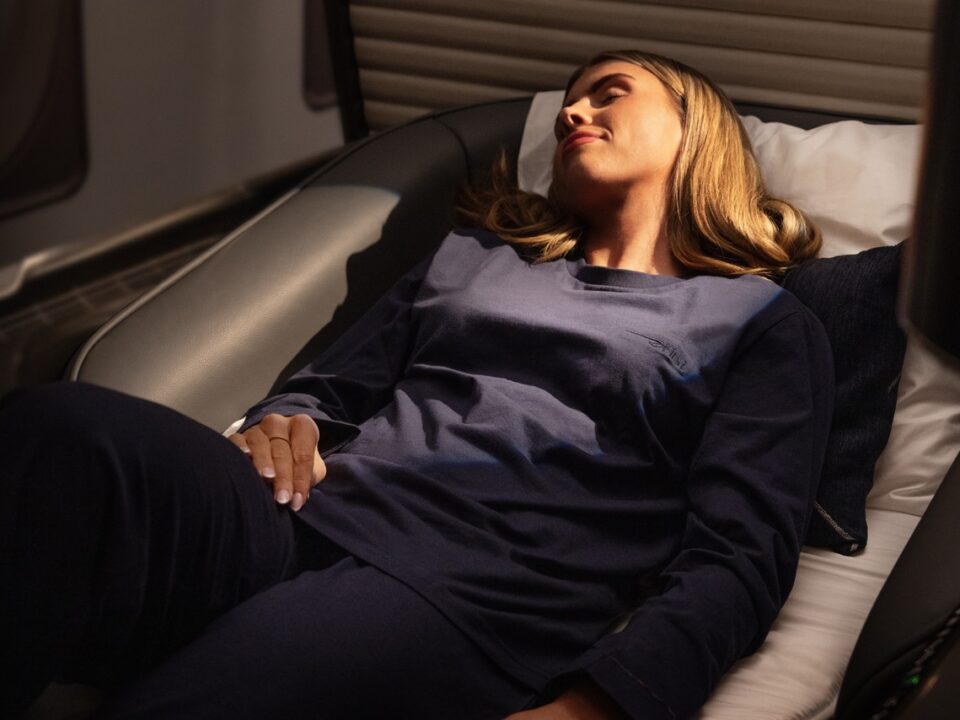
Hyper-focusing on sleep by monitoring your schedule can actually keep you awake longer, further disrupting an already imbalanced routine. This problem arises from being overly obsessed with wearables.
Essentially, these devices gather information about exercise, body metrics, and sleep. What’s more, data shows that every one in three adults wears a gadget that collects information about their body. Sleep trackers, more specifically, examine information from the wearable device and share insights into the quality and length of sleep. Some even provide information regarding the different stages of sleep or give a score.
However, it is not scientifically proven how well these trackers work or how accurate their measurements are. While sleep trackers are improving at pinpointing how long somebody sleeps, scientists have found that they are still not very good at precisely distinguishing between deep sleep and light sleep.
Orthosomnia is a condition in which excessive focus on data from sleep trackers, such as striving for “perfect” sleep scores, ironically worsens sleep. This fascination can lead to increased anxiety about sleep, making it even harder to fall asleep and reducing overall sleep quality.
Orthosomnia explained pic.twitter.com/d2NaujIvKI
— Sujay Kansagra, MD (@ThatSleepDoc) September 16, 2023
With the rise in popularity of these devices, the problem of orthosomnia is becoming even more prominent. It can cause sleep anxiety, irritability, fatigue, difficulty sleeping, and over-reliance on digital trackers, among others. The condition can also push people to forget that sleep can vary depending on when one’s body needs rest. However, being obsessed with the data from the tracker can outweigh these natural signals.
Even though orthosomnia is not clinically recognised, it can still negatively impact one’s sleep. It is advisable to always remember that sleep trackers are flawed and the information they provide isn’t always accurate. Additionally, in case of any concern or confusion, a consultation with a doctor may help understand sleep data better. It’s also important to listen to one’s body and not forget that it knows best when sleep or rest is needed.
@drrachelbarr How accurate are sleep trackers? #sleep #sleeptracking #science #neuroscience ♬ original sound – DrRachelBarr
Good sleep habits do not have to rely on digital devices. For instance, having a good sleeping routine, namely going to bed and waking up at the same time, can be extremely helpful. Moreover, lowering stress and engaging in relaxation activities before bed, such as meditation or deep breathing, can be beneficial.
Despite the pitfalls of orthosomnia, sleep trackers can still be helpful if used wisely. Avoid chasing perfect sleep scores every night. Instead, aim for realistic goals that align with your lifestyle and personal needs. It is also advisable, according to Dr. Jing Zhang, a neuroscientist, to track patterns rather than daily scores. Also, by learning more about the various stages of sleep, one can reduce anxiety. It is important to understand the differences between light sleep, sleep latency, deep, and REM. Experts say that it is normal to spend only about 25% of an adult’s night in deep sleep.