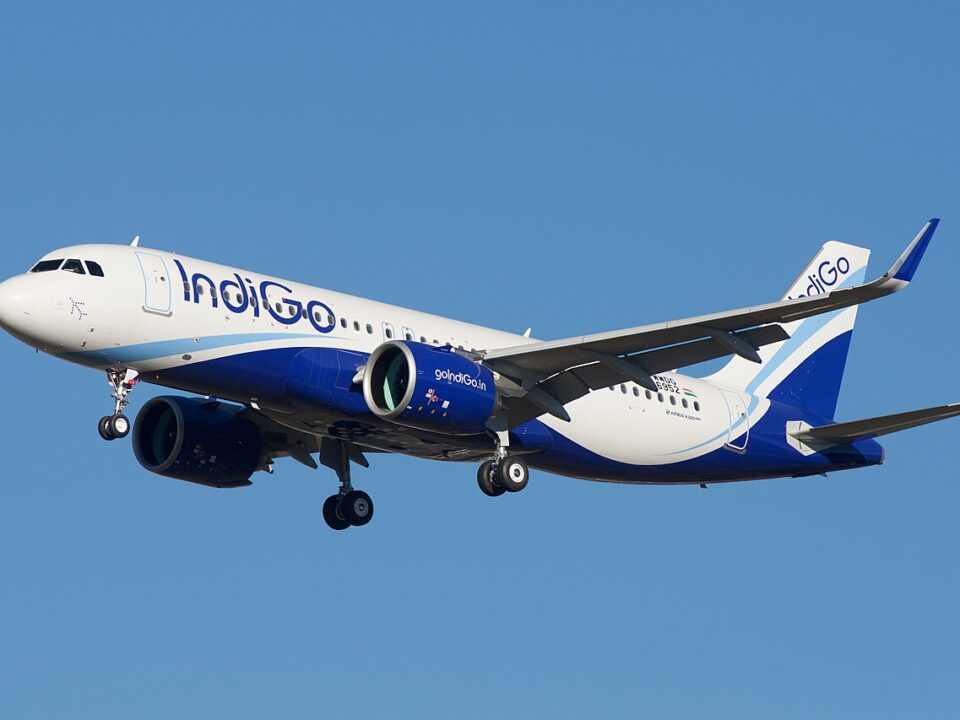
As part of its annual financial outlook report, the International Air Transport Association (IATA) has released its regional round-up for the global aviation sector, showing a generally stable performance despite regional variations, as well as positive public perceptions. Almost all (97%) of respondents to IATA’s survey expressed satisfaction with their last travel experience, and 88% say aviation has a positive effect on societies.
Africa
When it comes to regional performance, Africa’s low GDP per capita limits demand, while high operating costs influenced by factors such as older fleets, high tax rates, and fragmented markets mean the region’s margins and resilience are weak.

Europe
At the opposite end of the spectrum, Europe is projected to deliver the strongest financial performance in absolute terms among all regions, thanks to “disciplined capacity management and strong load factors” as well as the performance of low-cost carriers and the region’s “strong intra-European traffic and leisure market.” Despite criticism of the cost burden of the EU’s ReFuelEU initiative and air traffic control woes, IATA recognises that the strength of the euro has even partially helped carriers maintain margins by offsetting inflationary pressures elsewhere.

Asia Pacific
Driven by China and India’s expanding middle classes and tourism, the Asia Pacific remains the largest contributor to global traffic growth, with load factors projected to reach 84.4% in 2026, an all-time high for the region despite overcapacity.

Latin America
Latin American traffic growth remains “robust,” the report says, driven by economic stability and enhanced intra-regional connectivity. Although demand between the Americas has “softened,” increased regional flows and a solid transatlantic performance have helped to highlight “the adaptability of carriers in the face of shifting travel patterns.” Currency volatility is the key challenge here, but several major carriers are now rebuilding after benefitting from Chapter 11 restructures.

Middle East
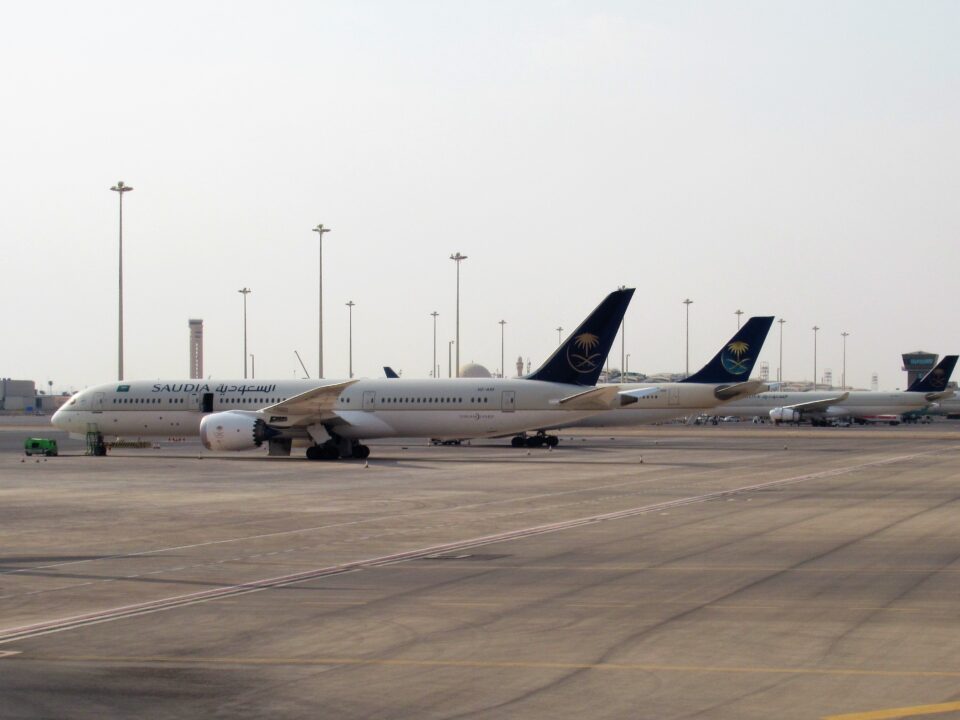
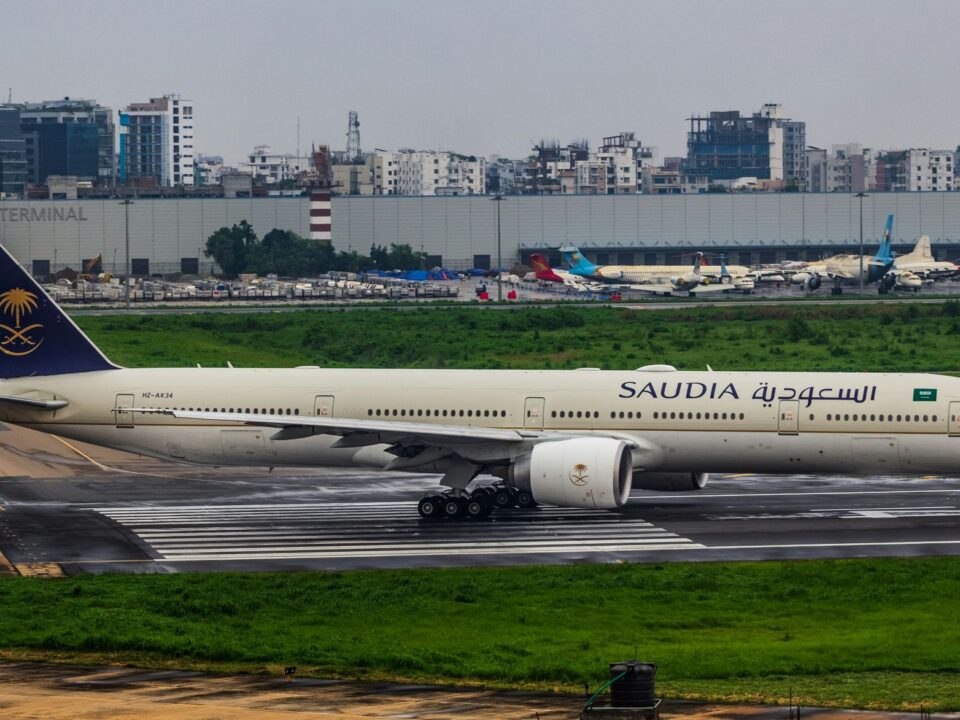
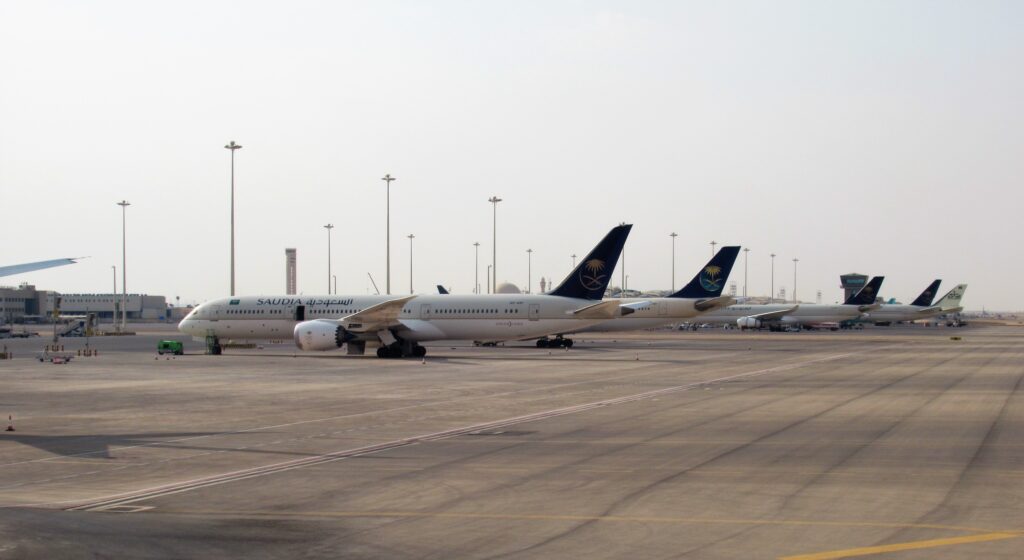
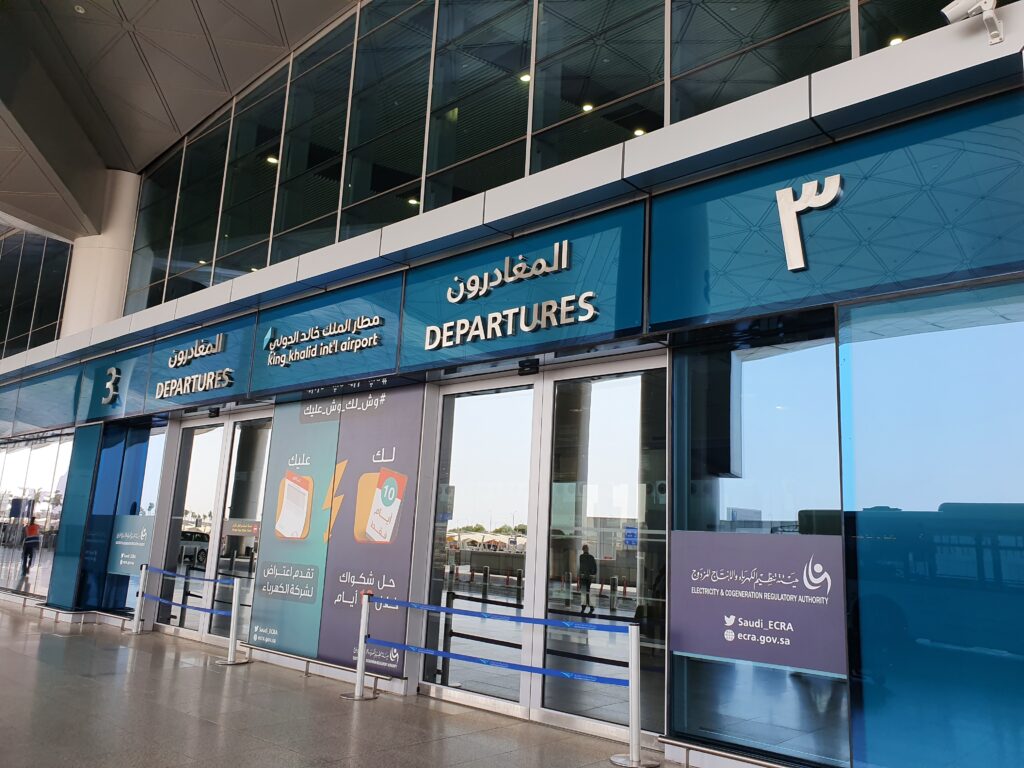
Hailing the Middle East as “the strongest region in terms of net profit margin and profit per passenger,” the IATA attributes that success to “the difference a positive regulatory operating environment can make, and to the region’s strategic position as a global connecting hub.” Infrastructure investments by governments and airlines, as well as clever refits to extend fleet lifespans in the face of supply chain delays, are helping capacity to grow and meet “robust” passenger demand.

North America
Finally, North America saw Europe take its “most profitable” ranking in 2025, but the US remains “stable” for this measure despite stagnating US growth and the shrinking of the domestic market, which IATA blames on “policy uncertainty around tariffs, tighter immigration enforcement dampening both inbound and domestic travel, and a lengthy government shutdown.”
Other barriers to North American expansion include capacity constraints, pilot shortages, engine reliability issues, and rising labour costs. Interestingly, though, here IATA notes the differences between different business models. Unlike the low-cost carriers that are credited as part of Europe’s success, US budget carriers are described as “under pressure, heavily exposed to the shrinking US domestic segment, growing passenger preferences for premium services, and facing the disadvantages of single-type fleets amid supply chain disruptions.”

Looking ahead
Looking ahead, IATA says 2026 is expected to see some easing of these challenges and the opportunity for a gradual increase in demand. However, a weaker US dollar could “benefit non-USD-based airlines’ profitability and margins by reducing US dollar-denominated costs such as fuel, aircraft leases, and maintenance.”
The IATA estimates that between 55–60% of global airline costs are denominated in USD, compared to 50–55% on the revenue side. Based on this, the lobby group says, “a 1% weakening of the USD against global currencies may lift global airline profits by 1% and improve operating margins by around 0.05 ppt.”