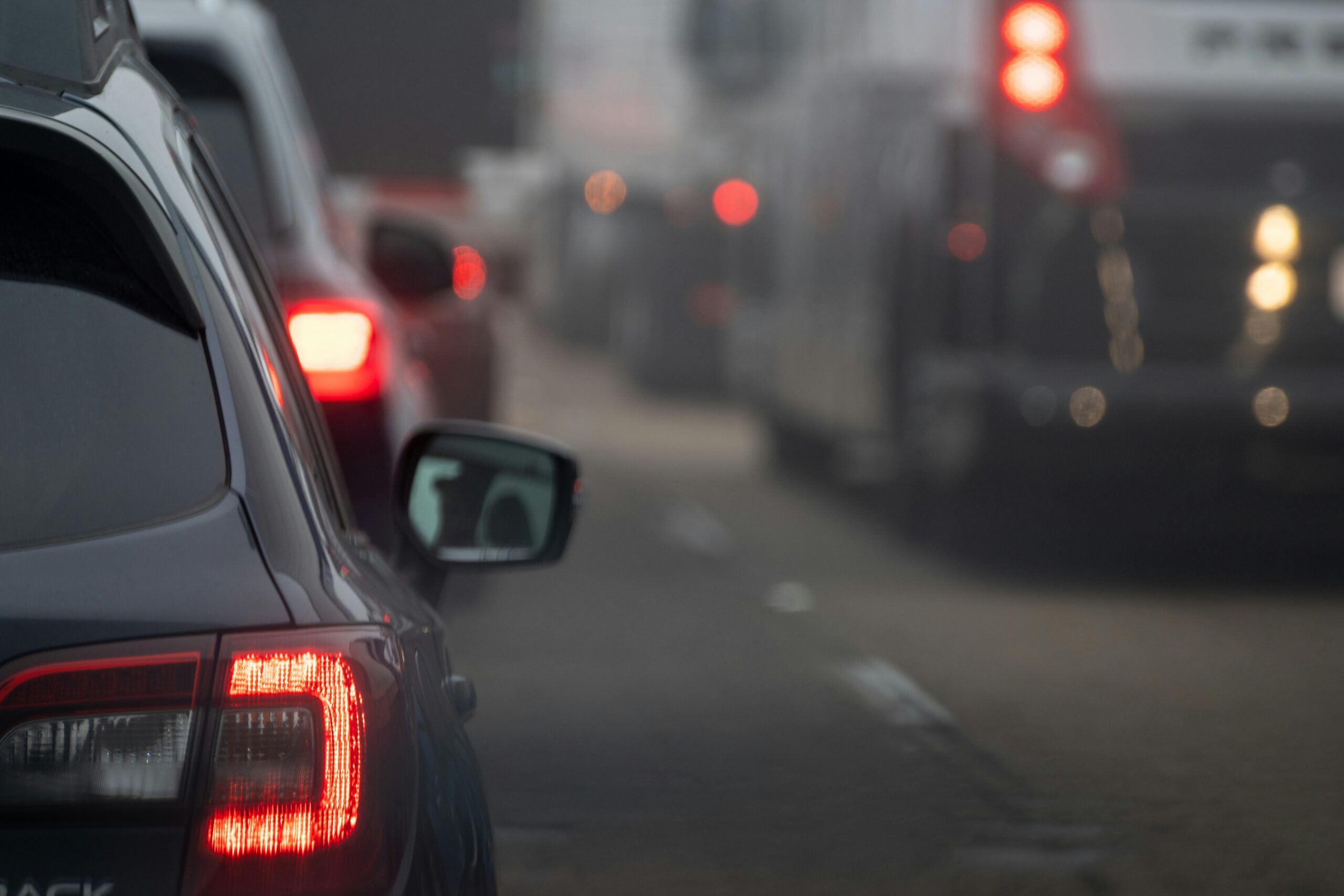



Drivers in the Republic of Ireland are experiencing severe delays due to widespread protests on the roads against the rising cost of fuel following the Israeli and US attacks on Iran, and subsequent shipping blockades in the Middle East.
Starting from Monday, 6 April, transport in and around the Irish capital and beyond, including cross-border routes between Eire and Northern Ireland, has been affected by slow-moving convoys of lorries, buses, and agricultural and construction industry vehicles. The protesters say they are at risk of going out of business due to oil shortages that have pushed fuel prices in the republic to about €2.14 a litre for diesel and €1.91 a litre for petrol.
🚨 Fuel protests in Dublin city centre have caused buses and trams to halt, blocking the O’Connell Bridge line and disrupting traffic flow. pic.twitter.com/PBkhTWO3uP
— Global News & Geopolitics 🌍 (@GlobalNewsGeo) April 8, 2026
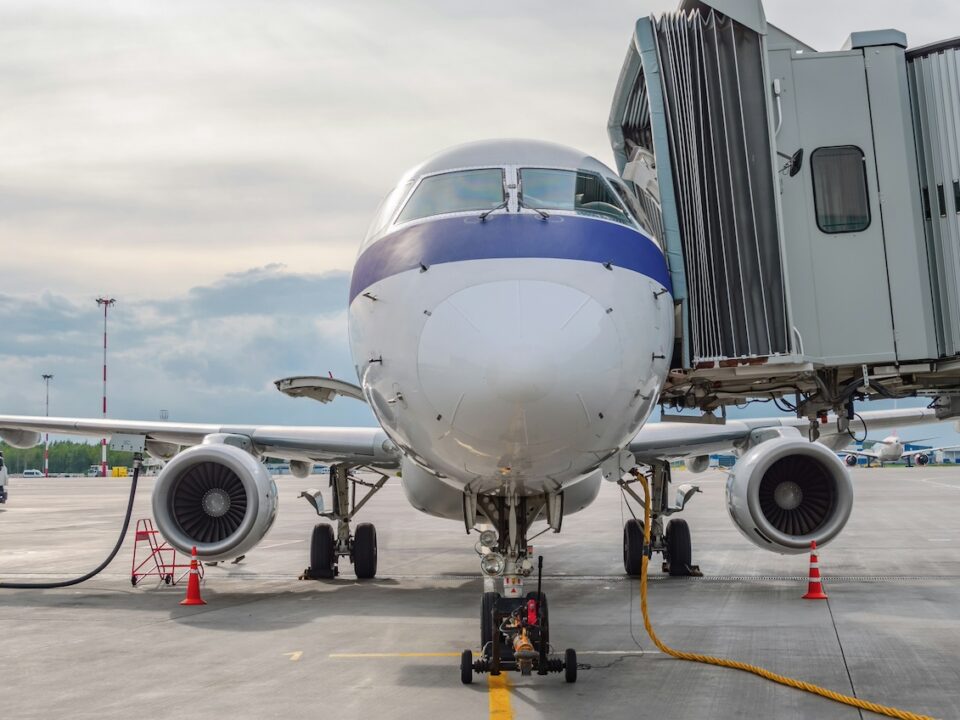
International travel is also affected. Dublin Airport has warned that flyers should allow extra time for journeys to and from the hub, and Translink, a public transport operator of Metro, Glider, Goldliner, Ulsterbus, and NI Railways in Northern Ireland and cross-border travel, has likewise said its services are disrupted. Dublin Express coaches have been impacted, too.
In Dublin, access to O’Connell Bridge—an iconic central landmark that spans the River Liffey and connects the north and south sides of the city—has been blocked on both sides, causing gridlock in the centre and making it difficult to get to the city’s riverside quays, which offer scenic views and walks and are lined with visitor attractions such as the Custom House and the Irish Emigration Museum.
The O'Connell Bridge Blockade.’ As of Thursday morning, April 9, the fuel protests have entered their third and most intense day. This image captures the total paralysis of Dublin’s public transport; the Luas Green Line is currently suspended in the city center. With the… pic.twitter.com/qDoR6TLZpv
— Saint Media (@SaintMedia10) April 9, 2026
Ironically, around 50% of the country’s emergency fuel supply is inaccessible due to blockades on terminals and a refinery, Fuels for Ireland chief executive Kevin McPartlan told RTÉ.
With some commentators calling for the Irish police, An Garda Síochána, to take action against the unauthorised demonstrations, spokespeople have described the protests as peaceful but “causing significant disruption.”
In case you are unaware, tens of thousands of farmers, truck drivers, bus drivers and delivery drivers are fuel protesting across Ireland this week.
— TheLiberal.ie (@TheLiberal_ie) April 8, 2026
The Irish have had enough and are fighting back 🇮🇪🇮🇪🇮🇪💪🏻💪🏻💪🏻
Follow us for video updates and share pic.twitter.com/KltGl3OO9x
Government officials, including Taoiseach Micheál Martin and the Deputy Prime Minister Simon Harris, met with the Irish Road Haulage Association (IRHA) on mid-week, and ministers are due to hold talks with protest representatives on 10 April.
Ireland is not the only nation affected. With oil prices up worldwide, and supplies of Liquefied Natural Gas (LNG—a key clean transition fuel) stuck in the Gulf, green campaigners have highlighted the risk posed to global climate targets by the Middle East crisis. A suite of Asian countries has fallen back on coal production and stockpiling, and environmental lobby group T&E has urged governments to impose levies on excess profits by fuel companies to raise funds for energy resilience.