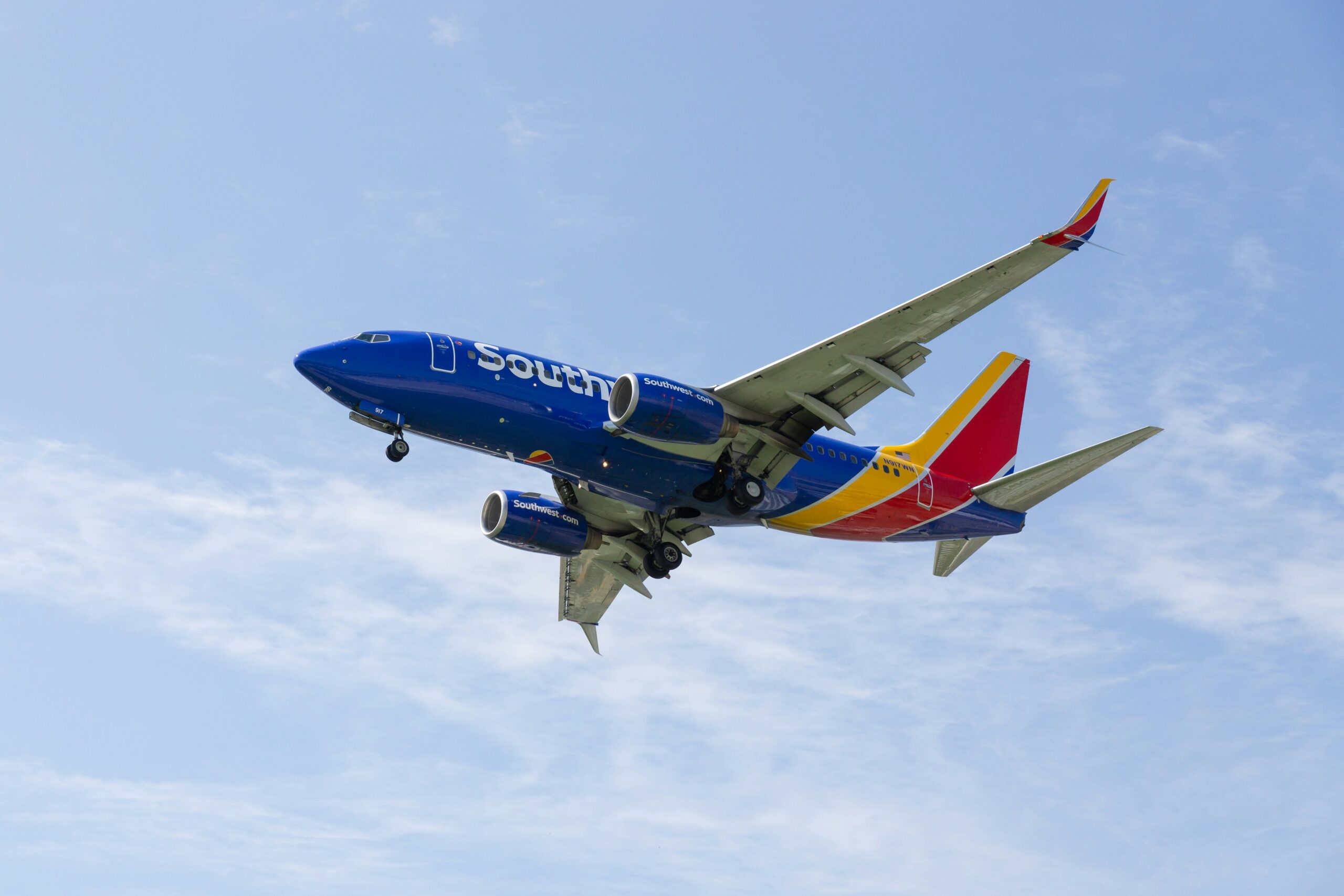



Following new guidance from the International Civil Aviation Organization (ICAO), Southwest Airlines in the United States is the latest carrier to change its rules about portable chargers on flights.
From 20 April 2026, passengers will be restricted to one charger, which will only be allowed to be taken aboard as a carry-on that stays with the passenger at all times, not put in checked luggage, nor placed in overhead lockers. With the devices visible, any problems such as overheating will be able to be spotted and dealt with quickly.
To be noted here, last month, International Civil Aviation Organization – said the use of power banks, or portable, rechargeable battery packs, would be limited to two per passenger as part of new rules for using the devices while in the air and it prohibited recharging the power… pic.twitter.com/EwhwUo5kC9
— FL360aero (@fl360aero) April 8, 2026
The new rules come after a suite of issues on planes around the world with portable charging devices and their lithium battery technology. Chargers have caught fire and emitted smoke on aircraft, including on an Air Busan jet that was destroyed by the blaze just before take-off in South Korea. All passengers and crew were safely evacuated. Asian firms and authorities reacted swiftly, with many banning the devices altogether or imposing new rules about their use, the number of devices permitted per passenger, caps on wattage capacity, quality marks, and how to prevent short circuits and overheating. Singapore, home to the world’s busiest international hub, has recently said air travellers can carry no more than two power banks from 15 April 2026, after a ruling by the city-state’s Civil Aviation Authority (CAAS).
Southwest’s rules go further. Dave Hunt, the carrier’s Vice President of Safety and Security, said the passengers would receive information and guidance about the rules when booking tickets and at their point of departure.
Many people remain unaware about the hazard posed by chargers and lithium-ion batteries in particular, which are liable to so-called “thermal runaway”—a temperature feedback loop, where the device gets hotter faster than it can dissipate heat. This can lead not only to fires but also the release of toxic gases and violent explosions—a clear problem anywhere but especially in a confined, pressurised aircraft cabin, thousands of metres in the air, with gallons of kerosene stored nearby.
The United States Federal Aviation Administration recorded 97 charger safety incidents in 2025 and says that rate is ever-increasing as growing numbers of passengers use phones, laptops, and tablets while on the move and wish to remain connected. The issue is likely to get worse as more and more airlines offer in-flight Wi-Fi and streaming at domestic capabilities, meaning passengers will be working, gaming, and consuming entertainment on their personal devices, running down their batteries. Charging up the chargers themselves using in-seat power systems is also a concern.
Before setting out on any journey involving a plane, travellers are urged to check the regulations about carrying chargers in the jurisdictions where they will be flying, as well as the rules imposed by their carrier.