
Tika Sylvia is a leading PR, marketing and brand development practitioner based in Southeast Asia. Quoting EU research, she has pointed out that 53 per cent of green claims are misleading and argues that “2026 will redefine PR to avoid greenwashing”.
“As conscious consumerism rises, people are finding it harder to trust environmental claims. Labels like ‘eco friendly’, ‘carbon neutral’, ‘reduce carbon footprint’, ‘100 per cent traceability to plantation’, or ‘sustainable’ are everywhere.” Sylvia cites European Commission evidence on “vague, misleading or unfounded” green claims and argues that the “growing gap between what brands say and what they actually do has eroded public trust”. She points out that “… credibility is now one of the most valuable but fragile assets in sustainability communication.” Green claims now need to be verifiable. Sylvia concludes that the “future of brand trust will belong to those who can prove, not just promise, their environmental responsibility”.
This may be optimistic and ignores the socioeconomic dimensions of sustainability and Responsible Tourism.
There has been a great deal of anxiety, particularly among SMEs, about the Green Claims Directive. On 1 December, the first reports emerged that the Danish Council Presidency had abandoned efforts to reach a majority agreement on plans for a Green Claims Directive in the EU, and that it had been paused or abandoned.
The Green Claims Directive was originally intended to be an amendment to the Unfair Commercial Practices Directive, which was implemented in 2005. Even without the Green Claims Directive, mis-selling regulation is being very substantially strengthened. The Empowering Consumers for the Green Transition Directive will apply across the EU from September 2026. The purpose of the Green Transition Directive is to ensure that:
“Before buying a product, consumers will receive better and more harmonised information on its durability and reparability. Consumers will also be better informed about their legal guarantee rights. In addition, vague environmental claims will be forbidden, meaning that companies will no longer be able to declare that they are ‘green’ or ‘environmentally friendly’ if they cannot demonstrate that they are. It will also be forbidden to display unreliable voluntary sustainability logos. In addition, unfair commercial practices linked to early obsolescence will be prohibited, such as false claims about the sustainability of an asset.”
As a result of the Empowering Consumers Directive, additional banned commercial practices have been added to the list of those already prohibited under existing Directives, for example:
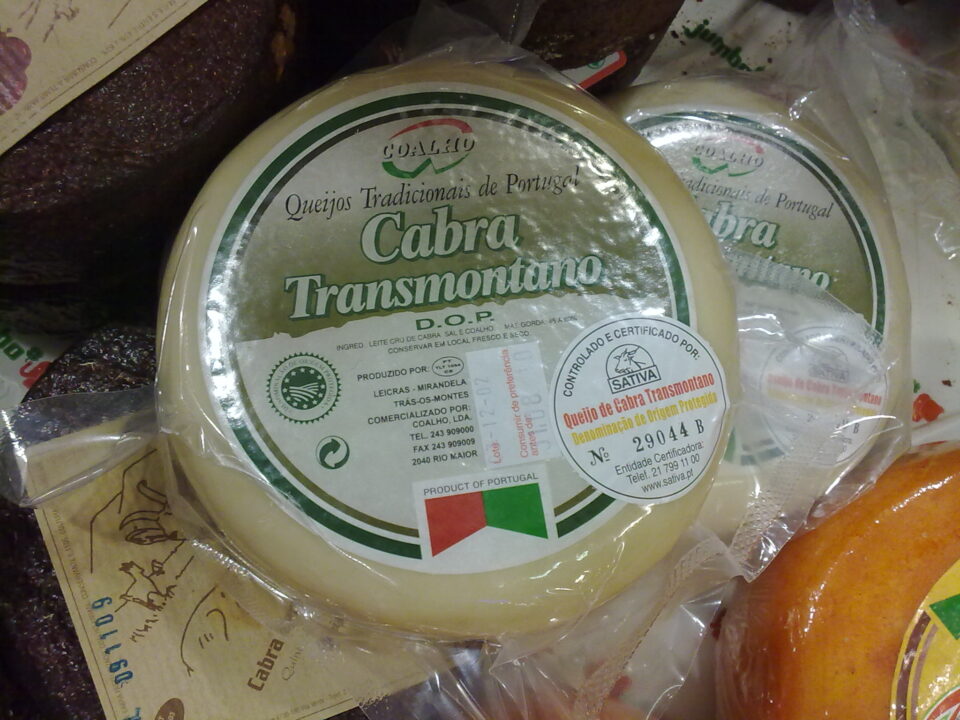
- Displaying a sustainability label that is not established by a public authority or not based on a certification scheme
- Making an environmental claim that is unsubstantiated or not based on a product’s entire life cycle
- Not informing consumers about a feature of a product designed to limit its durability, or claiming that its durability is limited when it is not
- Inducing consumers to replace goods earlier than technically necessary
- Advertising benefits to consumers that are considered common practice in that market
As with all EU Directives, regulation, interpretation and enforcement are implemented through transposition into national legislation.
I wrote here last week about rethinking certification, where I pointed out that: “One of the problems with certification is that certifications do not carry meaning. They are opaque, and there are so many of them.”
“Certification is perhaps best seen as a hygiene assurance for those businesses concerned about their supply chain.” If you really need a certificate because of demands from a significant client, remember that to attract consumers, you need to communicate what you are doing, why you are doing it, and how much you are doing. If they can experience it, so much the better.
Avoid greenhushing
If your market is consumers rather than businesses, explain to them what you are doing, say why these issues are your priorities, and transparently report what you have achieved. Tourists are looking for meaningful experiences and connections with local people, their culture and environment. Memories are a product of the interaction between hosts and guests. Just be careful that you can substantiate your claims, make them real, and enable your clients to see what you are doing.
There is more information on the Green Claims Directive on ICRT.global.