When I travel across Central Asia in the course of my work, I am often accompanied by international colleagues — Germans, Europeans, people who are visiting the region for the first time.
Almost without exception, I hear the same question:
“How is it possible that you communicate so effortlessly here? How does everything feel so familiar to you?”
My answer usually surprises them.
I explain that what they are witnessing is not coincidence, nor personal talent, but something much deeper: a shared linguistic and cultural foundation. The majority of the region speaks Turkic languages — distinct, yet deeply connected; different, yet instantly recognisable to anyone who carries the same linguistic roots. Turkic languages form a family, and for those who speak one of them, large parts of this geography feel unexpectedly familiar.
Let me illustrate this with a small “field study” from my own life. What follows is not a linguistic rule, but a best-case illustration of how these connections can sometimes appear.
My family name is Altuntepe — a Turkish compound of two words: altun, an old Turkic form of “altın” meaning “gold”, and tepe, meaning “hill”.
What is fascinating is how these two words appear, with slight phonetic variations, across several Turkic languages:
in Turkish: Altuntepe
in Azerbaijani Altuntəpə
in Uzbek: Oltintepa
in Turkmen Altyndepe
in Kazakh Altyntöbe
in Kyrgyz Altyndobo
in Uyghur Altyntepe
Same words. Same meaning.
So when I travel across Central Asia, I don’t feel like a foreign visitor. I feel connected through a linguistic heritage older than most nation-states — different expressions of the same cultural universe, a place where even my surname literally feels at home.
I always say speaking a Turkic language feels like being at home across a vast expanse — from the Tian Shan mountains all the way to the Anatolian peninsula and beyond. Not because everything is identical, but because echoes remain: in words, in sounds, in gestures, in shared cultural codes.
This is what the Turkic Language Family truly means to me: continuity, connection, and a shared story stretching across continents.
Why 15 December Matters Today
This historical continuity was formally acknowledged only recently at the international level. In October, during UNESCO’s General Conference held in Samarkand — itself one of the great historical centres of the Turkic world — a landmark decision was taken to proclaim 15 December as World Turkic Language Family Day. The proposal was submitted jointly by Azerbaijan, Kazakhstan, Kyrgyzstan, Türkiye and Uzbekistan, with the support of 21 UNESCO Member States.
The chosen date refers to 15 December 1893, when the Danish linguist Vilhelm Thomsen announced the successful decipherment of the Orkhon inscriptions. The Orkhon inscriptions are widely regarded as the oldest known written records in which the name “TURK” appears, carved into stone rather than written on perishable material.
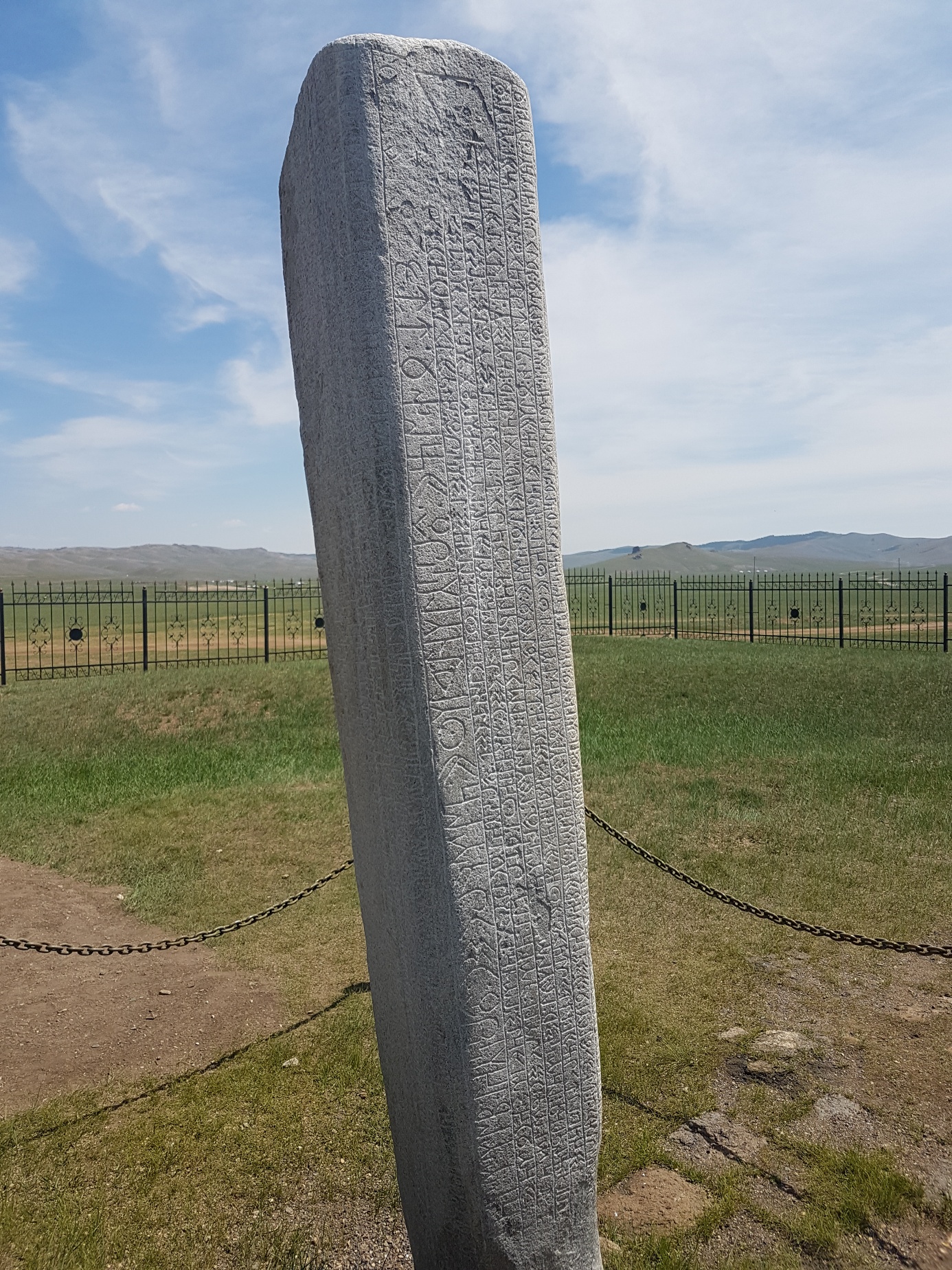
For a civilisation shaped by movement and mobility, this choice feels strikingly deliberate: what could have been lost on paper was instead entrusted to stone — ensuring that memory would endure long after journeys continued.
Today, languages of the Turkic language family are spoken natively by more than 200 million people across an area of approximately 12 million square kilometres, making this heritage not only regional but global in scale.
The Turkic Language Family is not limited to Central Asia or modern nation-states. It stretches from China and parts of Russia, across the Caucasus, through Anatolia and Iran, into the Middle East, including millions of Turkic-speaking populations in Syria and Iraq, and further into the Balkans and Europe. Today, Europe alone hosts a Turkic-speaking population larger than the total population of several Turkic republics. Our linguistic family crosses borders — and connects worlds.
The declaration of World Turkic Language Family Day by UNESCO recognises language as a shared human asset — one that connects communities, carries memory across generations, and contributes meaningfully to humanity’s cultural diversity.
For me, this recognition resonates deeply, because it refers to a place and a moment I encountered long before — in the remote Orkhon Valley in Mongolia, where these inscriptions stand.
Where I chose to begin
When I first began travelling across Central Asia as a tourism professional, one of my earliest journeys took me to Mongolia. This was a very conscious decision. As someone deeply interested in Turkic history and cultural memory, I felt that before exploring the contemporary Turkic world, I needed to start at what I personally considered its zero point. For me, that place was the Orkhon Valley. I wanted to experience the origins first — to build my understanding and memory from the very beginning, before tracing the routes, influences and transformations that followed across Central Asia and beyond.

Only by standing at that starting point, I believed, could I meaningfully interpret the layers that came later. The Orkhon inscriptions are among the earliest written records in which the name “TURK” appears. They represent not mythology or legend, but tangible historical testimony carved into stone. While academic interpretations continue to evolve, these monuments remain a powerful symbol of how identity, language and statehood were articulated in written form at a very early stage.

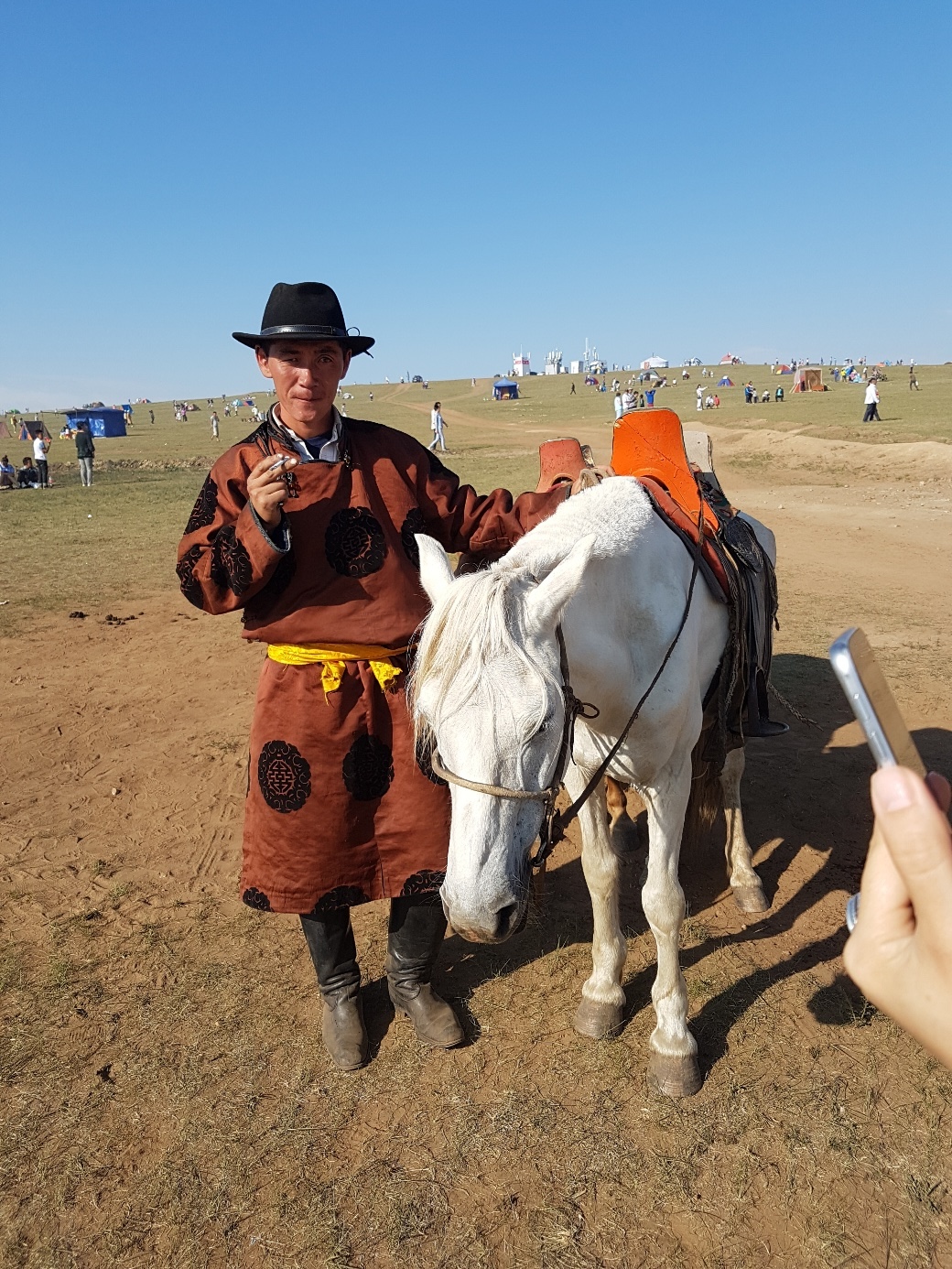
Because Mongolia’s travel season is extremely short — barely three to four months due to its harsh climate — I planned my visit carefully. I travelled in July, timing my journey to coincide with Naadam, Mongolia’s national festival. It is during these summer weeks that the country known as the Land of the Eternal Blue Sky reveals its most striking colours and vastness.

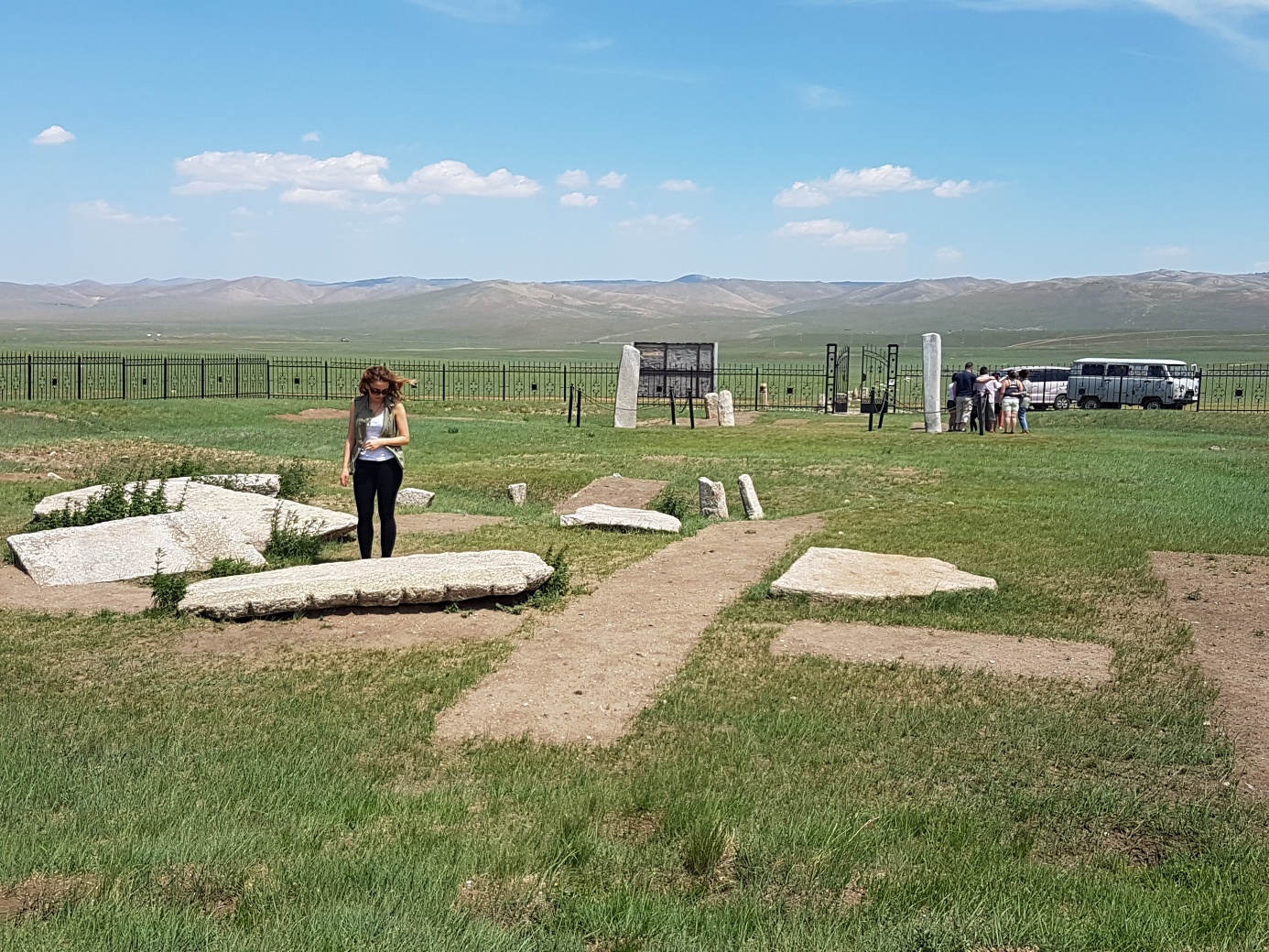
After witnessing Naadam, we continued toward the Orkhon Valley. The journey itself was an experience: hours of travel across an immense, open landscape, far from urban centres, over rough terrain and endless green plains. There were no conventional roads — only traces across the steppe, a quiet river cutting through the valley, and an overwhelming sense of scale and stillness.
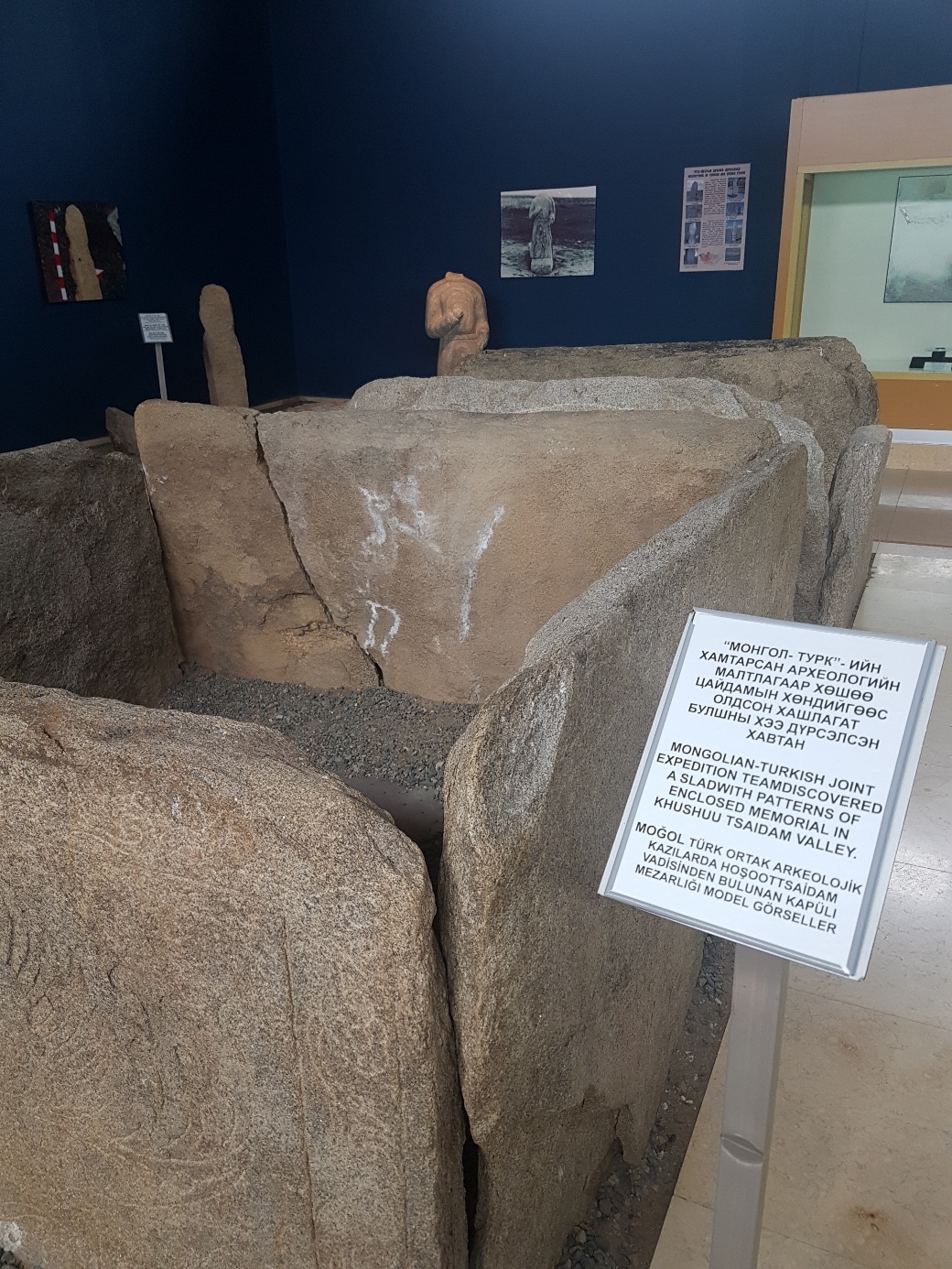
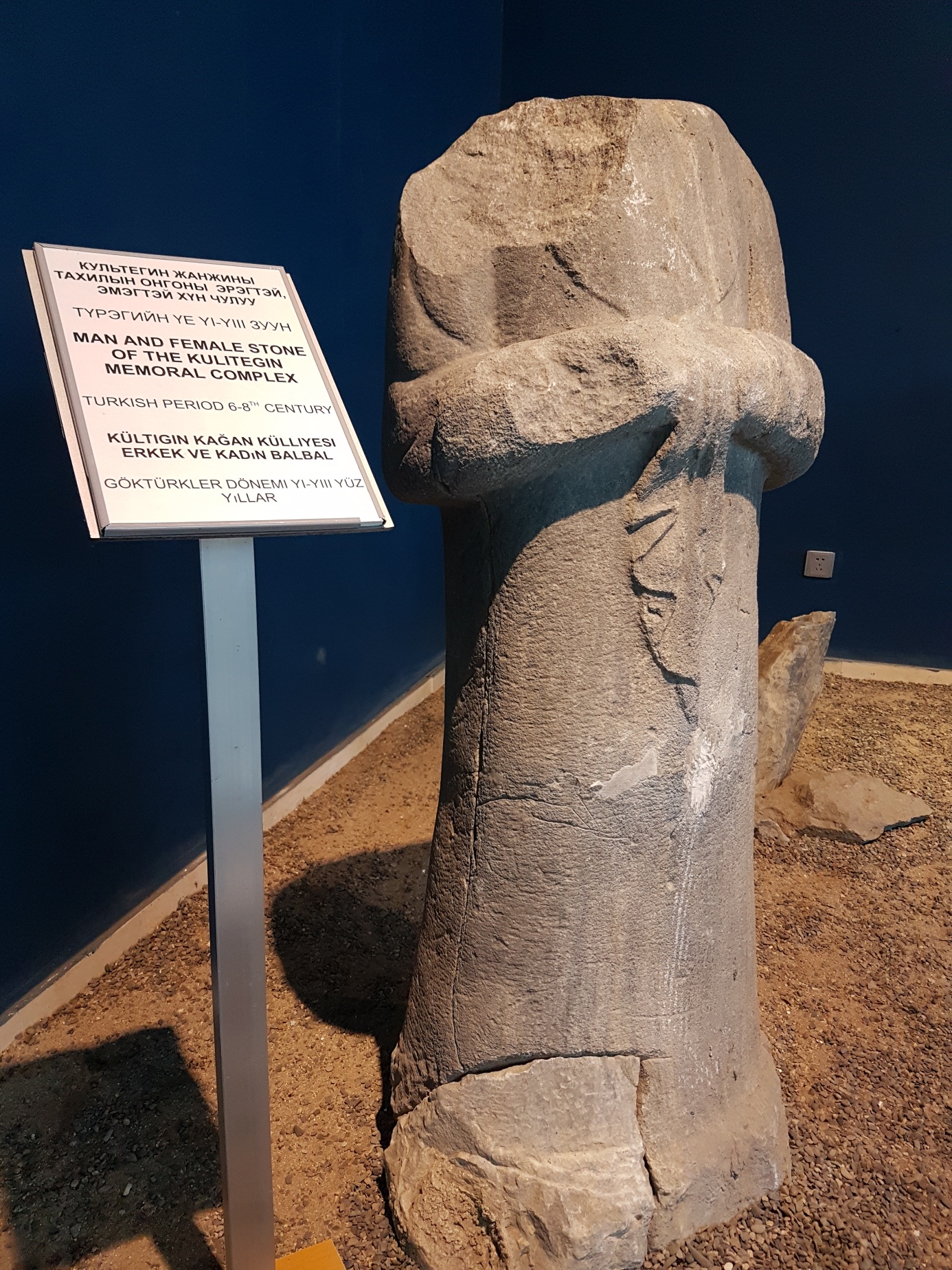
In this setting, the inscriptions appeared almost unexpectedly: one standing outdoors, exposed to the elements; the other housed within a modest museum nearby. Reaching the site was challenging, but the final approach was surprisingly smooth — thanks to infrastructure developed with support from Türkiye, including the access road and the museum itself.
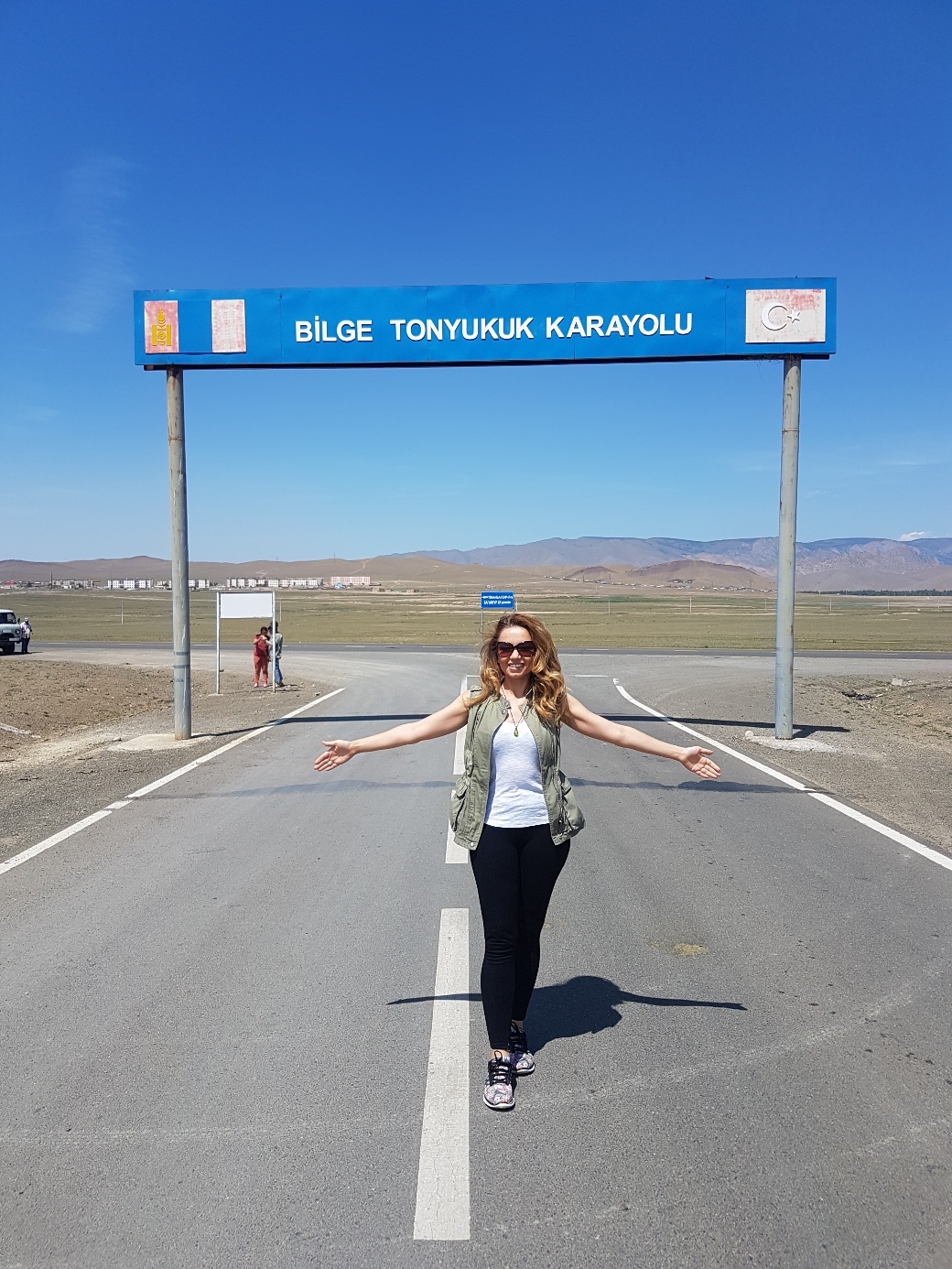
The museum provided essential historical context, situating the Orkhon inscriptions within the broader cultural and political landscape of their time. The Orkhon inscriptions are linked to central figures of the Göktürk period such as Bilge Khagan, Kül Tigin and Tonyukuk. Together, they convey early reflections on leadership, authority and the relationship between rulers and society, offering a rare written window into how statehood and collective identity were articulated in the early Turkic world.

Long before language entered global discourse, the Orkhon Valley had already secured its place as one of the most remarkable cultural landscapes on Earth. Recognised by UNESCO as a World Heritage Site in 2004, the Orkhon Valley is valued not for a single monument or civilisation, but for its unique continuity of human presence. For thousands of years, this vast steppe corridor has hosted successive nomadic empires, capitals, trade routes, belief systems and political centres — from early Turkic polities and the Göktürk Khaganate to the Uyghur Empire, and later the Mongol Empire with its capital, Karakorum.
What makes the Orkhon Valley exceptional is its harmony between culture and nature. The open grasslands, the Orkhon River, the wide horizon and the silence of the steppe are not merely a backdrop, but an integral part of how societies here lived, governed and moved.
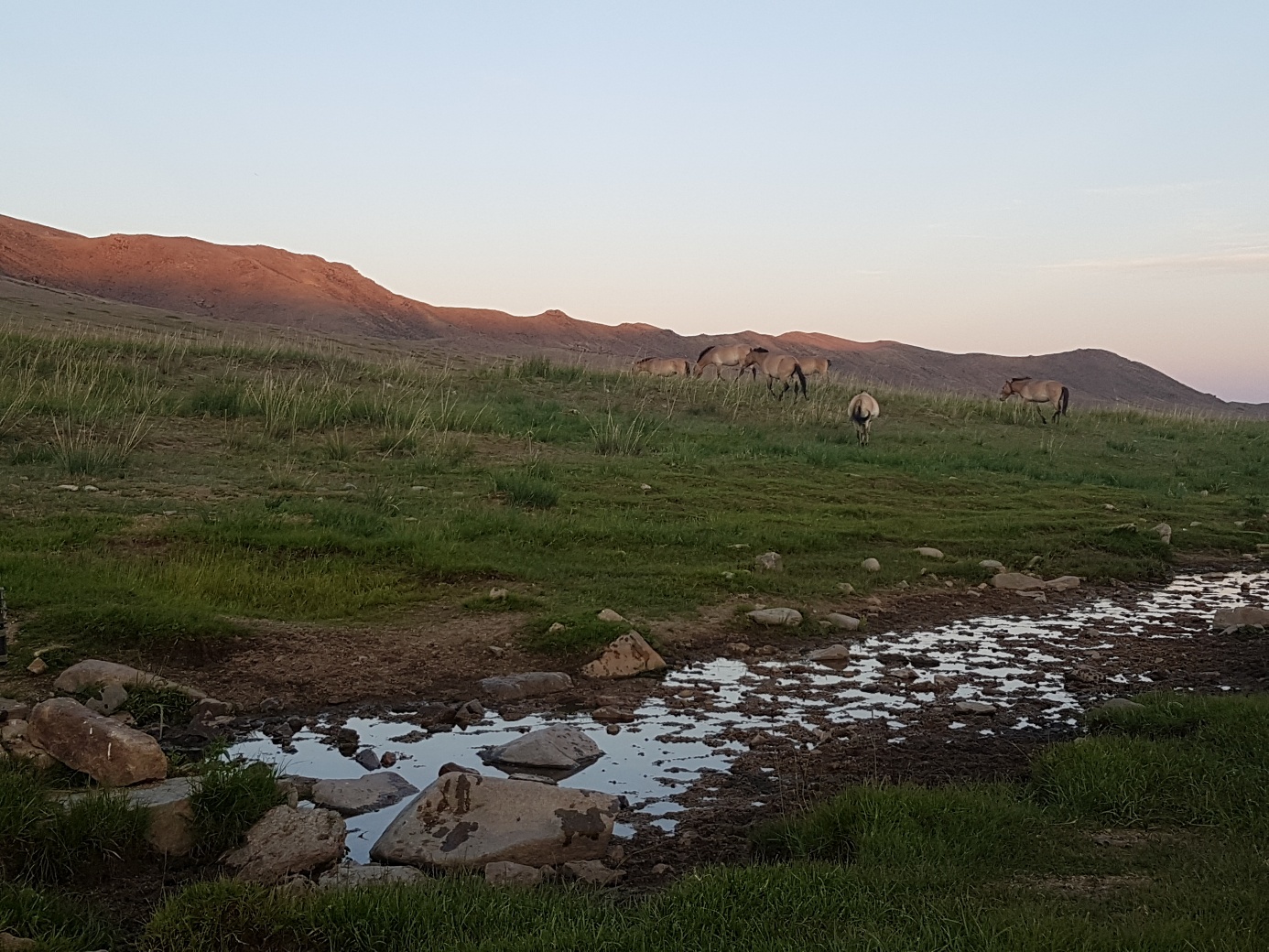
For travellers today, Mongolia offers something increasingly rare: space, scale and historical depth without spectacle. The Orkhon Valley invites visitors to slow down, to read the land, and to experience history not as a sequence of dates, but as a geography shaped by movement and encounter. It is a destination where one can still sense how civilisations met, interacted and influenced one another.
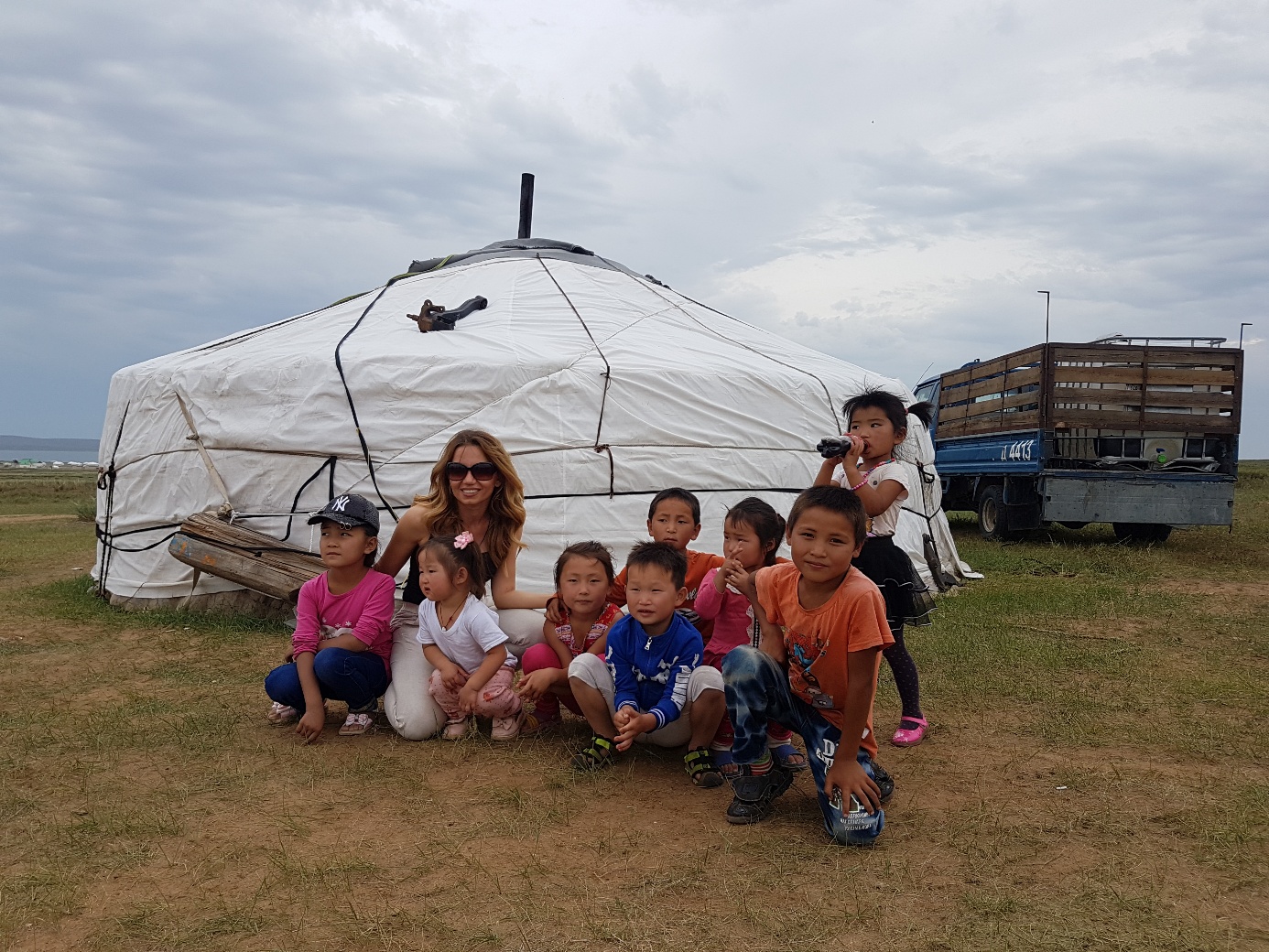
It is within this broader context that the Orkhon Valley gains additional meaning, with 15 December now recognised by UNESCO as World Turkic Language Family Day. Seen from here — where language was once carved into stone to outlast time itself — this recognition reminds us that language is far more than a tool of communication.
Language is identity.
Language is memory.
And sometimes — even your surname tells the story.
On this meaningful day, I extend my warmest congratulations to all Turkic-speaking peoples around the world, and celebrate the shared linguistic heritage that connects us beyond borders and generations.