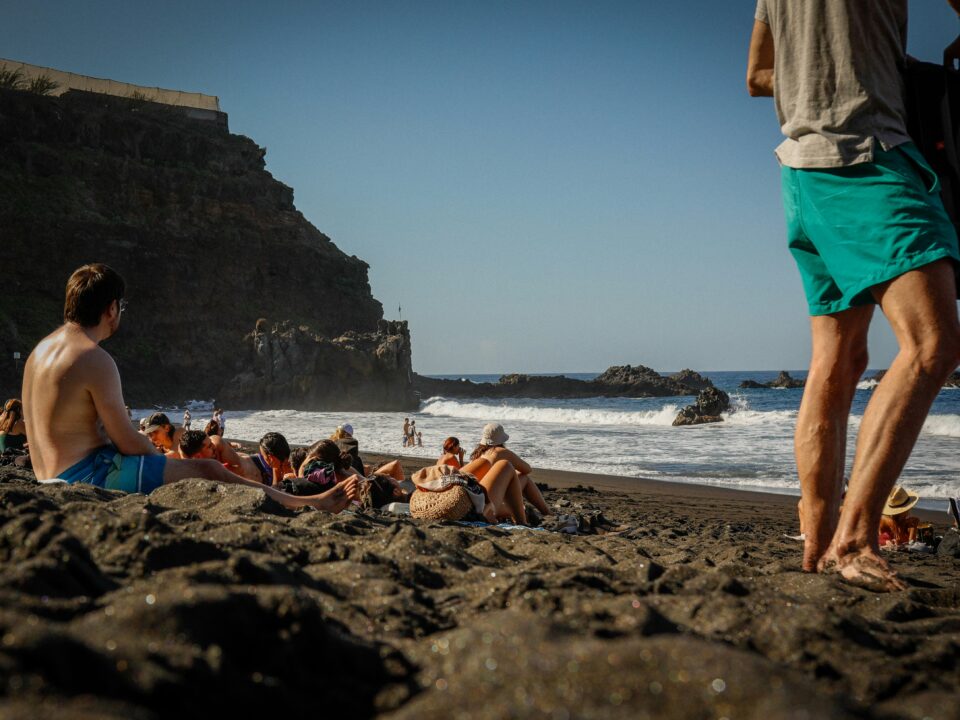



The Canary Islands are launching a new fund for sustainability that will be supported by visitor contributions, but, unlike the destinations around the world and the municipalities on the islands imposing tourist taxes, this time the archipelago’s guests will be invited to contribute voluntarily rather than pay a mandatory fee.
Following protests about overtourism on the islands, and months of debate about the creation of an ecotax ranging between €1 and €3.5 per night, a new scheme is on the table. The Canary Islands Tourism Regeneration and Nature Restoration Fund (REGNEXT) is an initiative from the Canary Islands government and UK Spanish Tourist Office, that “aims to make tourism a direct contributor to environmental restoration and community wellbeing through voluntary contributions,” a statement said. Officials explained that the financing system will be “voluntary, traceable, and transparent” and “allow resources to be directly and specifically allocated to regeneration projects.”
While some municipalities on the islands (such as Mogán on Gran Canaria, where a daily tourist tax of €0.15 per person, collected on hotel stays, is in place) have already introduced local fees to fund tourism services and infrastructure, the new scheme is intended to be different.
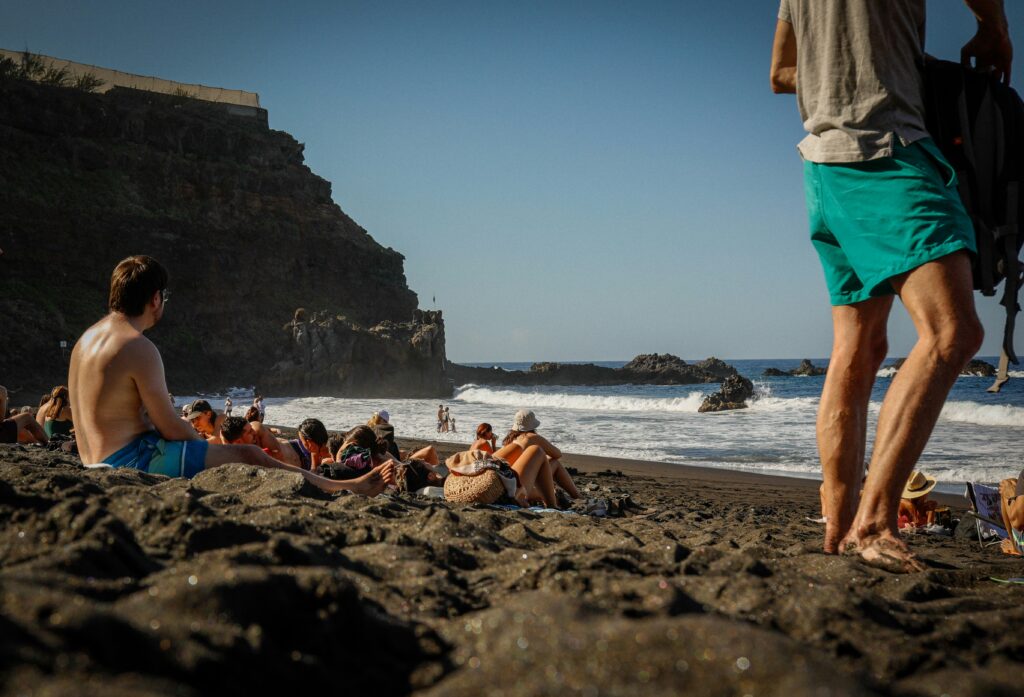
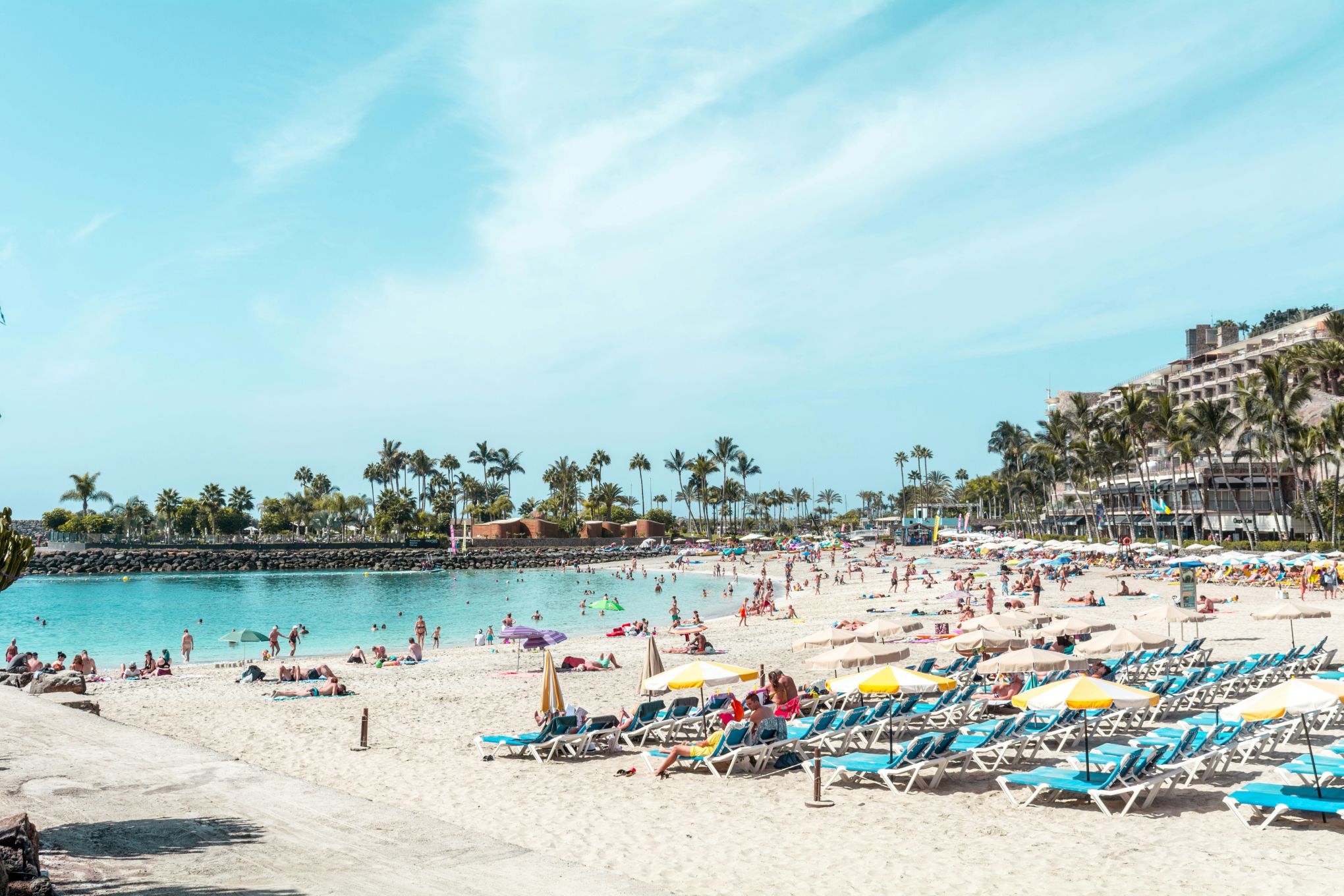
Coming into effect on Tenerife, Gran Canaria, Lanzarote, Fuerteventura, La Palma, La Gomera and El Hierro, the idea is to enable visitors to make donations directly online to their chosen pilot schemes, with affordable housing, biodiversity, climate adaptation, conservation, habitat restoration, landscape improvement, and lowering emissions, all among the schemes supported by REGNEXT.
A range of commercial travel stakeholders, such as easyJet holidays, Jet2.com, Jet2holidays and Tui, are lined up to support the venture. Describing the programme as turning tourism into “an active force for environmental and social regeneration,” Jessica de León, Minister of Tourism for the Canary Islands, said voluntary contributions from “visitors, businesses and climate foundations” would “ensure that part of the value tourism generates is reinvested directly into restoring ecosystems, strengthening climate resilience and improving the communities that make our destination so special.”
The Spanish tourist office noted that the initiative would protect the basic cost of a holiday for UK visitors but allow those who could afford to do so to give back to the places they love. It “offers a new way to support the destination they visit without increasing the cost of their holiday through a compulsory tax, while giving travel companies a transparent mechanism for investing in measurable environmental and social outcomes,” the office said.
Meanwhile, Manuel Butler, director of the Spanish Tourist Office UK, pointed to the circular nature of the scheme, saying it will provide a “tangible” way for visitors to “protect and restore natural spaces, reduce emissions, improve quality of life for residents and enhance the visitor experience.”
The Canaries are not the only destination taking an alternative “give back” approach to tourism levies. Copenhagen and Berlin have introduced reward schemes for visitors who take part in responsible tourism actions; Fiji has invited guests to give an hour of their vacation time to sustainable projects; and the “Mālama Hawaiʻi” programmebrings together “opportunities for visitors to pay it forward, like beach clean-ups, native tree planting, and more,” via the GoHawai‘i website which urges guests to “Engage in some of our volunteer opportunities … and in exchange, experience Hawaiʻi on a much deeper and connected level.”