


Brussels Airlines will start charging passengers for hand luggage on its short and medium-haul flights, marking a significant change to the carrier’s previous policy of allowing one carry-on item free of charge.
The shift comes into force on bookings made from 28 April 2026 for travel after 19 May 2026, on selected routes, including to popular city break destinations such as Budapest, Prague, and Stockholm. It will also apply to routes operated by other Lufthansa Group operators (Air Dolomiti, Austrian Airlines, Discover Airlines, Lufthansa, Lufthansa City, and Swiss).
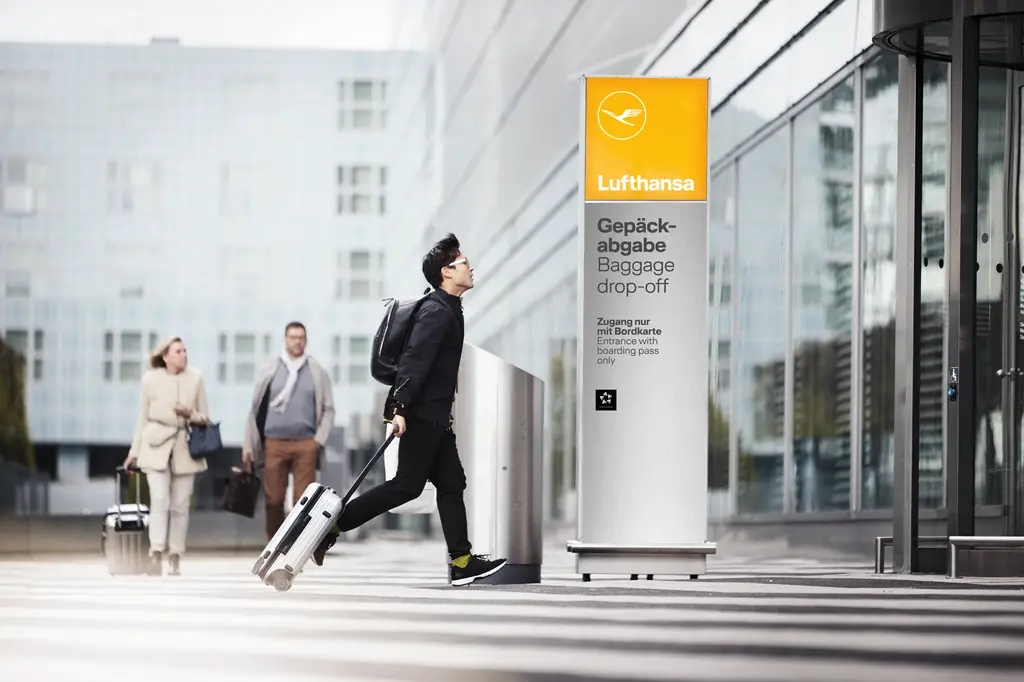
Under the changed rules, passengers paying the carrier’s new “economy basic fare” will be allowed to take just one small personal item (with dimensions of 40 x 30 x 15 cm) on board, which effectively means a laptop bag, small handbag or small rucksack, plus coats and jackets. Anyone wanting to take bigger items will have to pay for the privilege.
Brussels Airlines has described the move as “an enhanced fare structure” that “enables a clear, transparent selection tailored to individual needs,” emphasising that it gives travellers on short trips “an additional option at an attractive entry-level price.”
Additionally, larger items of carry-on or hold checked luggage (measuring up to 55 x 40 x 23 centimetres) can be added to economy fares for a fee starting at €15. As per the Brussels Airlines website, items also permitted as part of passengers’ paid carry-on allowance are: folding garment bags, children’s buggies, duty-free purchases, and musical instruments (to which special rules apply).
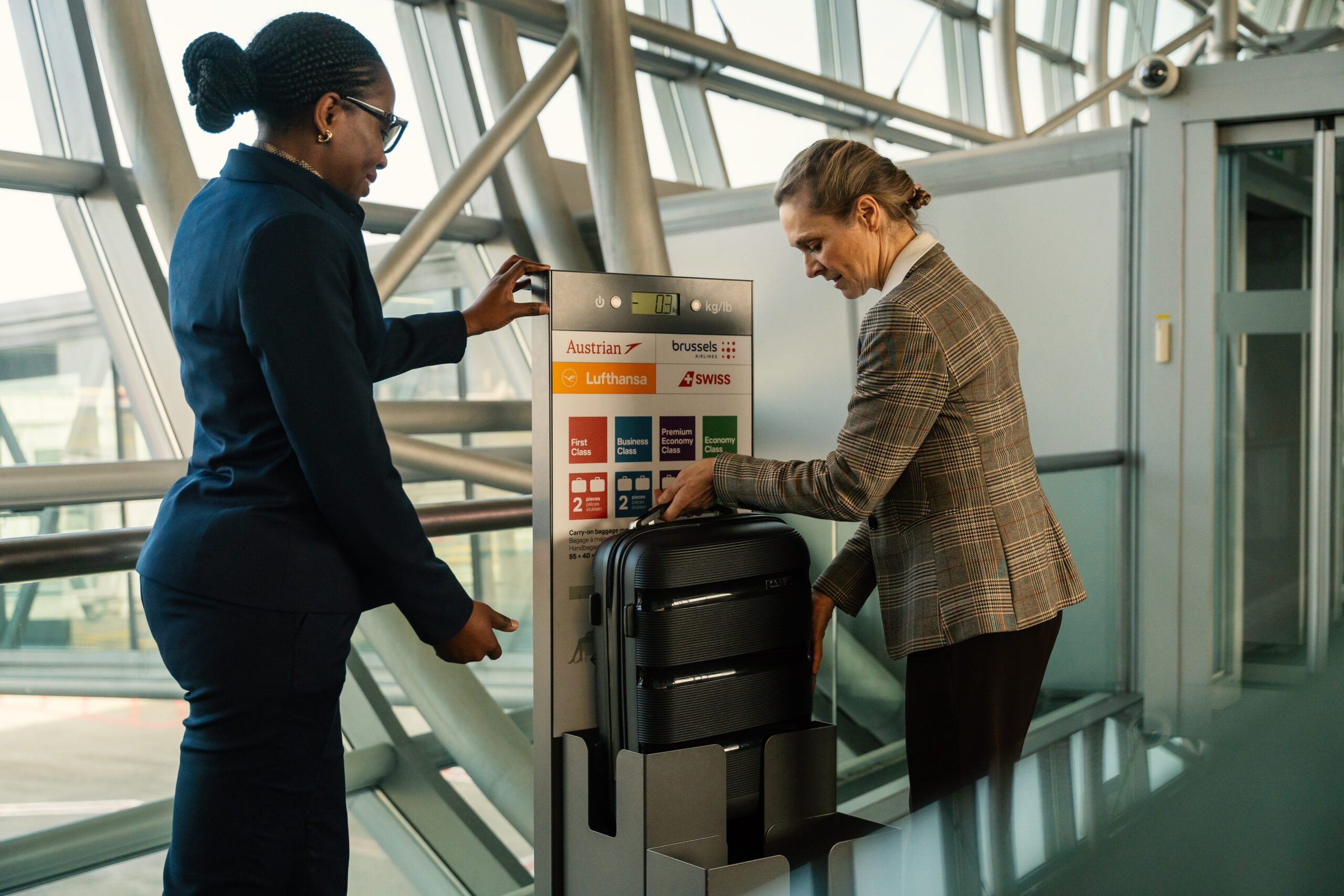
If carry-on baggage does not comply with the fare paid and relevant rules, the airline will remove it from passengers at the check-in counter or at the boarding gate, and transport it in the aircraft hold at the flyer’s own expense. A last-minute check-in like this costs at least four times as much as paying for extra luggage in advance, depending on the route.
The same last-minute check-in can apply to flights with high occupancy, when even compliant carry-on baggage may be taken and loaded into the hold due to limited storage space on board. Passengers will be informed of this risk before their flight and given the option to drop off carry-on baggage at check-in, at no cost.
In both the above cases, the airline requests that passengers remove “valuables, any medicines required on the journey and any battery-powered devices such as tablets, smartphones, laptops, power banks or e-cigarettes and take them into the cabin.”
The new baggage and carry-on regime reflects perhaps changing flyer behaviour. Europe’s largest airline by passenger numbers, Ryanair, introduced a change to its check-in services recently, noting that the vast majority (80%) of the budget airline’s customers prefer to travel light and select their fare options accordingly.