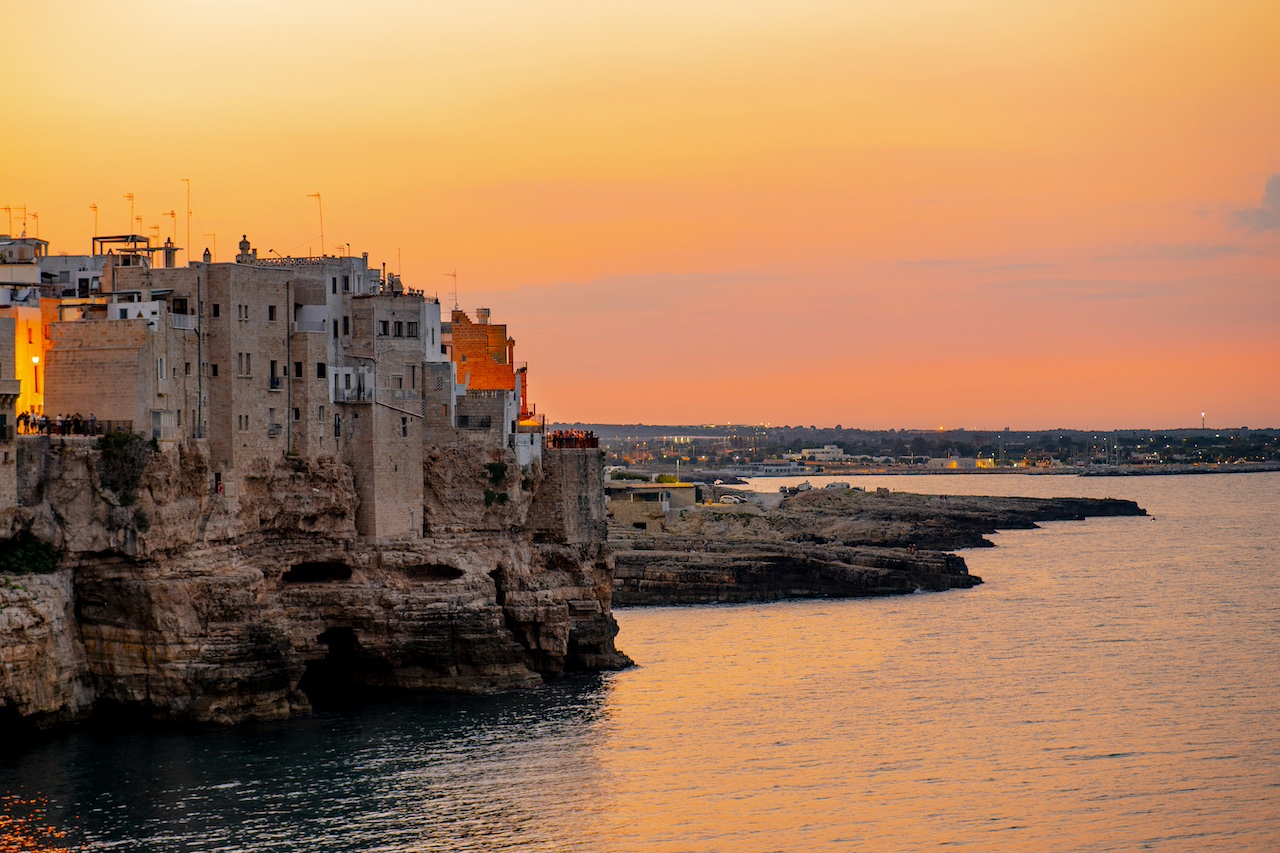



A proposal to allow visitors to bring their own food and drinks onto private beaches in Italy’s southern region of Puglia has sparked criticism from beach club operators, who argue it could damage the visitor experience. The initiative was announced by Puglia governor Antonio Decaro, who said the regional government wants to make the coastline more accessible for both residents and tourists. According to Decaro, access to the sea should not depend on how much people are willing or able to spend at beach clubs. “The sea is a common commodity; it cannot become a luxury,” he said, adding that “no one can stop you from eating food on the beach that you’ve brought from home.”
The proposal has reopened a long-running debate about the management of Italy’s beaches. Although much of the country’s coastline remains public, around one-third is managed through concessions granted to private beach clubs, known in Italy as lidos. These operators rent out sunbeds and umbrellas while also running restaurants, cafés and beach bars. While Italian law allows visitors to bring their own food and drinks, some beach clubs discourage or even prevent guests from entering with outside refreshments, arguing that they affect the quality of the services offered.
Beach operators in Puglia have strongly opposed the governor’s proposal, saying it could negatively affect both businesses and the atmosphere on the beach. The regional branch of Assoturismo, which represents tourism operators, argues that allowing unrestricted picnics could lead to more litter and reduce the standards visitors expect from organised beach facilities. Nicola Ragno, president of Assoturismo in the town of Vieste, said the issue goes beyond people bringing a simple lunch. “It’s not about just a sandwich: some people think they can bring all sorts of food with them, starter, main, fruit, whole meals,” he said. Ragno added that “these situations can’t be tolerated because there are lots of other customers who don’t appreciate it.”
Decaro has rejected the argument that eating a homemade meal harms the image of beach resorts. Referring to criticism from some operators, he said they speak of a “damaged image” if someone chooses to eat “a sandwich or focaccia brought from home, in a private lido.” Focaccia is a traditional Italian flatbread that is particularly popular in Puglia and is often eaten as a snack or light meal. The governor argues that visitors should not feel obliged to buy food from beach restaurants simply because they are spending the day by the sea.
Consumer organisations have also sided with the governor, pointing out that the beaches themselves remain public even when they are managed by private operators. Massimiliano Dona, president of the National Consumers Union, stressed that beach clubs cannot treat concession areas as private property. “Beaches are public areas managed by private operators; they are not private property,” he said. Dona also argued that visitors have the right to bring their own food and drinks and should not be forced to hand over picnic bags before entering a beach club. The dispute has therefore become not only a tourism issue but also a debate over consumer rights and the use of public spaces.
The discussion comes as Italy prepares for what is expected to be another record-breaking summer tourism season. According to figures released by Italy’s Ministry of Tourism, the country is forecast to achieve higher accommodation occupancy rates than both Spain and France during the summer of 2026. International visitor numbers have continued to grow during the first half of the year, with Puglia among the regions recording the strongest increases in foreign arrivals. As more travellers choose the region’s beaches for their holidays, questions about affordability, public access and the balance between visitors’ rights and business interests are becoming increasingly important.
The debate also coincides with rising costs for beach holidays across Italy. A recent survey by consumer organisation Altroconsumo found that the average price of renting sunbeds and umbrellas has increased by around 6% compared with last year and by almost a quarter over the past five years. For many families, bringing their own food can significantly reduce the cost of spending a day at the beach. That has turned what might seem like a simple discussion about picnics into a wider conversation about whether Italy’s coastline should remain accessible to everyone while continuing to support one of the country’s most important tourism industries.