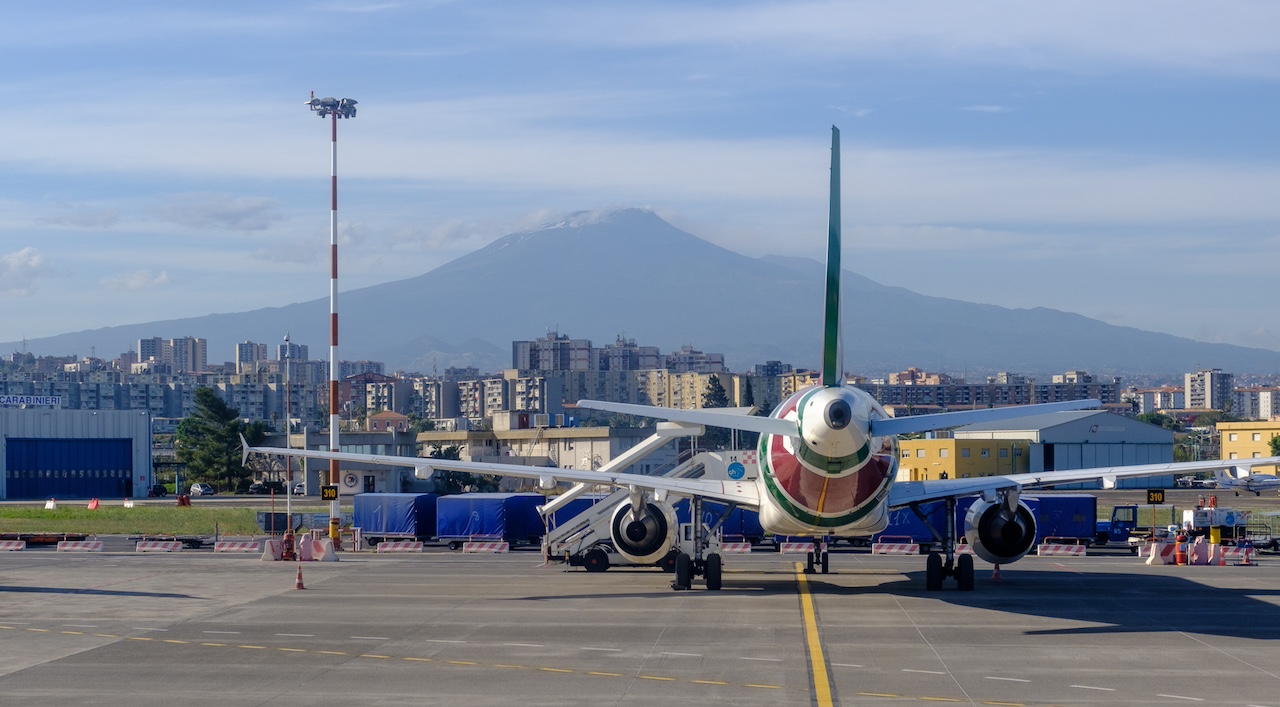



Mount Etna has once again disrupted air travel in Sicily after renewed volcanic activity sent large clouds of ash into the sky. Catania Airport, the island’s busiest airport, suspended all arriving and departing flights on 6 July 2026 as the ash cloud affected flight operations. Volcanic ash can be dangerous for aircraft because it can reduce visibility and damage engines, making it unsafe to fly through. Travellers have been advised not to travel to the airport without first checking the status of their flight with their airline.
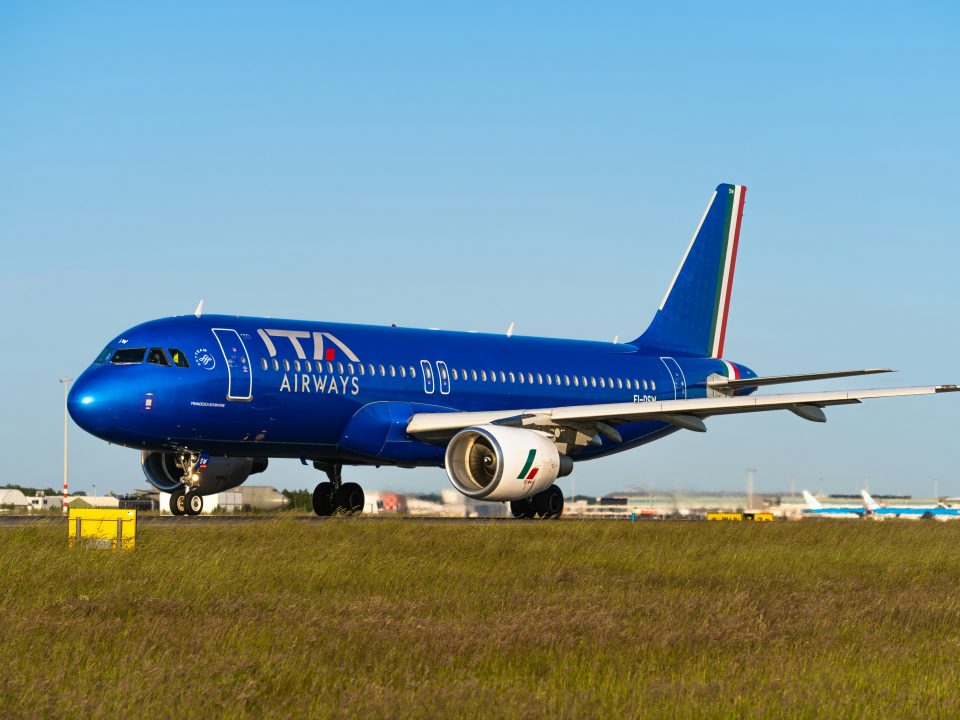
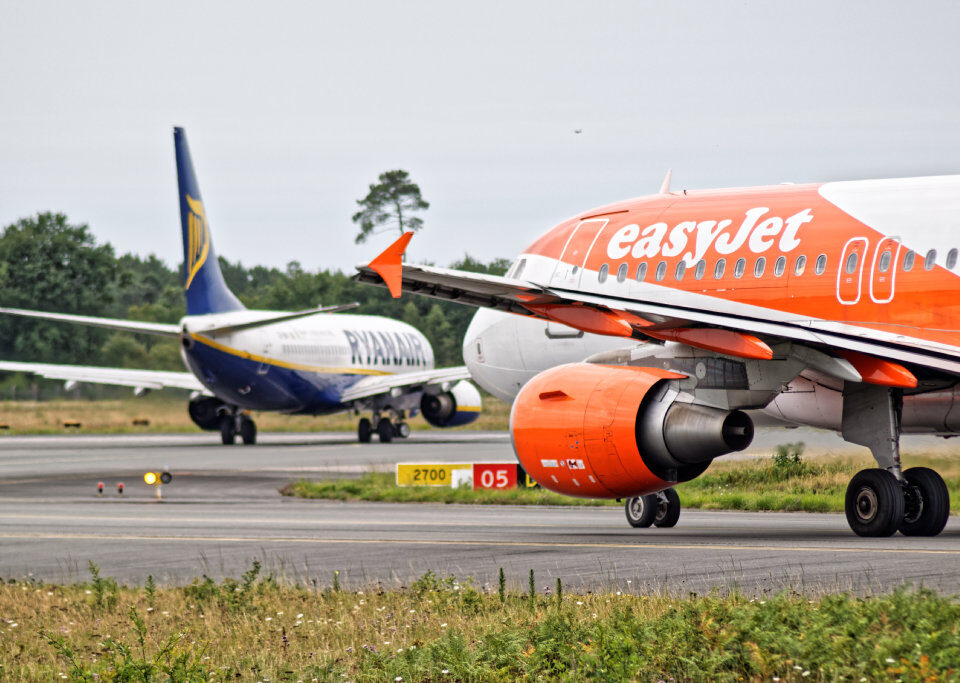
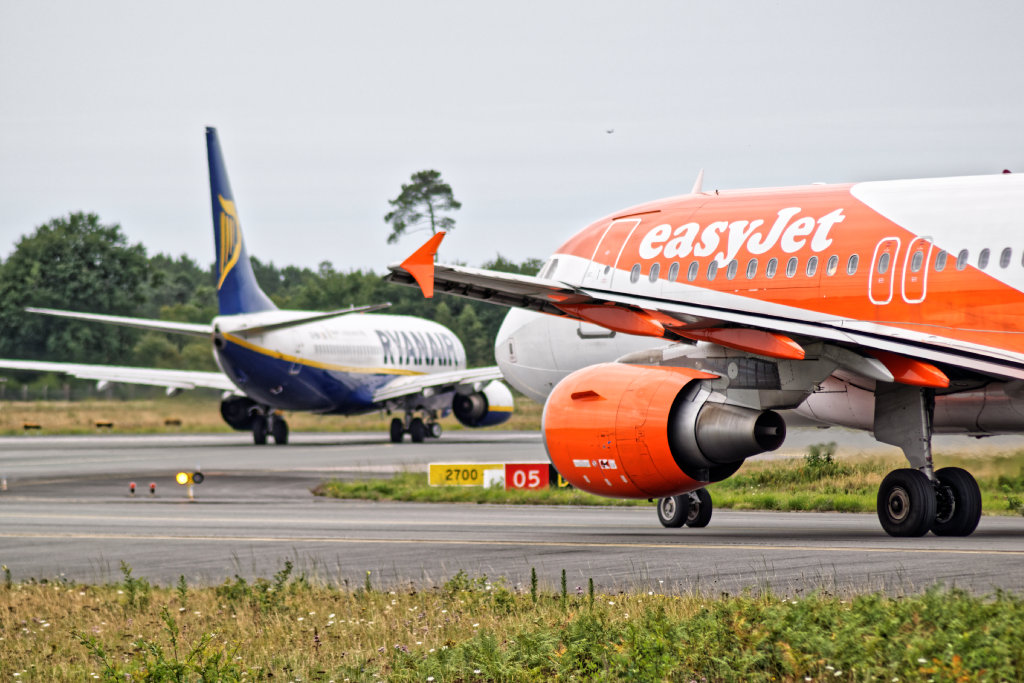
The disruption has affected dozens of airlines operating to and from Sicily. Around 130 flights have been cancelled, while another 50 have been diverted to other airports on the island and beyond. Airlines affected include Ryanair, easyJet, British Airways, Wizz Air, ITA Airways, Lufthansa, KLM, Air France, Iberia, Jet2, SAS, Delta Air Lines and Air Canada. Most of the affected routes connect Sicily with destinations across Europe, although some long-haul flights, including services to New York and Montreal, have also been impacted. Some flights scheduled to depart later in the day have already been delayed, while airlines continue to adjust their schedules depending on the volcanic activity.
🚨 Etna, Sicily, Italy 🇮🇹
— Mambo Italiano (@mamboitaliano__) July 5, 2026
The pyroclastic activity of July 5, 2026
Absolutely spectacular! pic.twitter.com/Ma9F5Ow960
As Catania Airport remains affected, many incoming flights have been redirected to Palermo Airport on the northwestern side of Sicily. Palermo handled dozens of additional flights on 5 July and is expected to receive even more while the disruption continues. Other diverted flights have landed at Comiso and Trapani airports, while some aircraft have also been redirected to Rome and Vienna. Several airlines are arranging bus transfers for passengers arriving in Palermo so they can continue their journey to Catania and other destinations on the island.
The eruption began on 5 July 2026, when Mount Etna produced strong ash emissions and explosive volcanic activity. According to Italy’s Volcano Observatory Notice for Aviation (VONA), the volcanic ash cloud reached around 4,500 metres, prompting authorities to issue the highest, red-level aviation alert. This warning is specifically designed for the aviation industry and informs pilots and air traffic controllers that volcanic ash could pose a serious risk to aircraft. Italy’s Department of Civil Protection had already raised the volcano’s alert level from green to yellow in late June after detecting increased volcanic tremors, showing that activity had been building for several days.
@dimarcovale The situation at Catania airport after Ryanair cancelled flights without providing passenger assistance. Everyone, including minors and passengers with disabilities, was abandoned to their own devices. Nobody deigned to help or seek a solution, and hundreds of people spent the night in the airport amidst the cold and hardships. Situazione aeroporto di Catania dopo che Ryanair ha cancellato i voli senza assistere i passeggeri. Tutti, compresi minori e disabili, abbandonati a sé stessi. Nessuno si è degnato di aiutare o cercare una soluzione, centinaia di persone hanno trascorso la notte in aeroporto tra freddo e disagi. @Ryanair @Ryanair Italia 🇮🇹 @Aeroporto catania new #etna #eruption #catania #airport #ryanair ♬ original sound – 🇺🇸rafael moran 🇺🇸
Mount Etna, located on the east coast of Sicily, is Europe’s most active volcano and erupts regularly. The current eruption originated from a vent near the Voragine summit crater, while lava flows that had been active since late June ended shortly before the latest explosive activity began. Even after the lava flow stopped, the volcano continued producing bursts of ash, gas and volcanic material. Because weather conditions can carry ash over large distances, aviation authorities continue to monitor the situation closely to determine when it is safe for flights to resume.
Passengers travelling to or from Sicily are encouraged to monitor updates from their airline before leaving for the airport, as flight schedules may continue to change. Travellers whose flights are cancelled are generally entitled to choose between a replacement flight and a refund. Airlines must also provide assistance, such as meals and accommodation, if passengers are required to wait before continuing their journey. However, because volcanic eruptions are considered extraordinary circumstances that are outside an airline’s control, passengers are unlikely to receive additional financial compensation for the disruption.