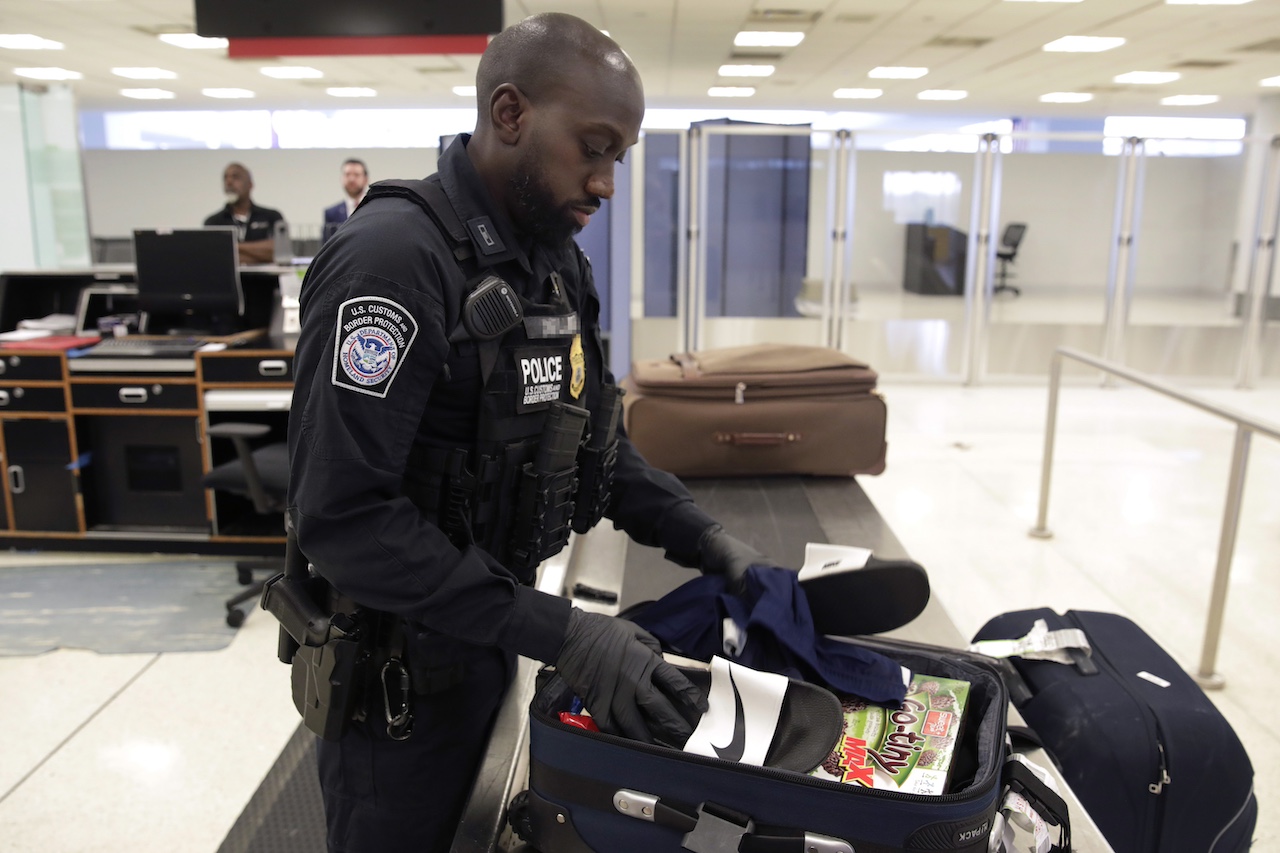


The US Transportation Security Administration (TSA) has reminded travellers that packing certain prohibited items can result in civil penalties of up to $17,062 (€14,779). The warning covers several items that passengers may not expect to find on an airport security list, from bowling balls and cast iron cookware to curling irons and snow globes. Some items are only banned from carry-on luggage, while others cannot be placed in checked baggage either.
One of the most unusual examples is the Samsung Galaxy Note 7. The smartphone has been banned from all flights since 2016 because of serious problems with its lithium-ion battery. The battery could overheat, catch fire, or explode, creating a serious safety risk on board an aircraft.
Why is the Samsung Galaxy Note 7 banned?
The Samsung Galaxy Note 7 was recalled after reports of batteries overheating, catching fire, and exploding. The problems were linked to physical flaws that could cause the battery to short-circuit. The TSA subsequently banned the phone from flights in October 2016, and the restriction remains in place.
Passengers are not allowed to pack the Galaxy Note 7 in either their carry-on or checked luggage. The exact civil penalty for bringing a prohibited item through security can depend on the circumstances, but the maximum penalty is $17,062 (€14,779). The ban is therefore more serious than the restrictions placed on most electronic devices.
The rules around lithium batteries also apply to other travel items. Spare lithium batteries, including power banks and phone chargers, are prohibited in checked luggage. They must instead be carried in the cabin because of the potential risk of overheating, smoke or fire.
10 surprising items travellers should know about
The Galaxy Note 7 is an extreme example, but several other items on the TSA list may surprise travellers. The rules are not limited to obvious weapons or dangerous materials. Some everyday objects are restricted because of their size, weight, shape or the materials they contain.
1. Cordless curling irons
Cordless curling irons cannot simply be placed in checked luggage because of their batteries. Travellers should check the specific requirements before packing them for a flight.
2. Bowling balls
A bowling ball may not seem like something airport security would restrict. However, it is not permitted in carry-on luggage because of its weight and must be transported in checked baggage.
3. Cast iron cookware
Cast iron pans and other cookware are another surprising example. They are not permitted in carry-on bags but can be transported in checked luggage.
4. Corkscrews with a blade
A corkscrew itself may be useful on holiday, but travellers need to pay attention to the type they pack. Corkscrews that include a blade are not allowed in carry-on luggage.
5. Electronic cigarettes and vaping devices
Electronic cigarettes and vaping devices cannot be placed in checked luggage. Their batteries must remain in the cabin because lithium batteries can create a fire risk.
6. Foam toy swords
Even a foam toy sword can cause problems at a security checkpoint. The item is not permitted in carry-on luggage despite being designed as a children’s toy.
7. Gel-type candles
Gel candles can fall under TSA rules for liquids and gels. As a result, some gel candles cannot be carried in cabin baggage.
8. Samsung Galaxy Note 7
The Samsung Galaxy Note 7 remains banned from both carry-on and checked luggage. The restriction is linked to its history of serious battery failures.
9. Screwdrivers longer than seven inches
A screwdriver may be an ordinary household tool, but its size matters at airport security. Screwdrivers longer than seven inches are not permitted in carry-on luggage.
10. Snow globes
Snow globes can also catch passengers out because they contain liquid. A snow globe containing more than 3.4 ounces, or around 100 millilitres, of liquid is not allowed in carry-on luggage under the standard liquid rules.
Not every liquid is limited to 100 ml
The 3.4-ounce, or 100 ml, rule is one of the best-known airport security restrictions in the US. It applies to liquids, gels and aerosols carried through the security checkpoint. However, there are important exceptions that travellers should know about.
Breast milk, infant formula, toddler drinks and baby or toddler food can be taken through security in carry-on luggage even when they exceed the usual limit. These products are treated as medically necessary liquids, while ice packs used to keep them cold can also be allowed.
Travellers should tell the TSA officer about these liquids before screening. They should also remove them from their carry-on bag so they can be screened separately. Keeping these items easy to access can make the screening process simpler.
Check the rules before packing
The main issue for travellers is that an item is not always simply allowed or banned. Some objects are permitted in checked luggage but not in carry-on bags, while other items must stay in the cabin. Batteries are a particularly important example because of the risk of overheating and fire.
Travellers should therefore check the TSA rules before leaving for the airport. Airlines can also have their own restrictions, meaning that an item allowed by the TSA may still be subject to additional airline rules. Checking both sets of requirements in advance can help passengers avoid delays or having to leave an item behind at security.