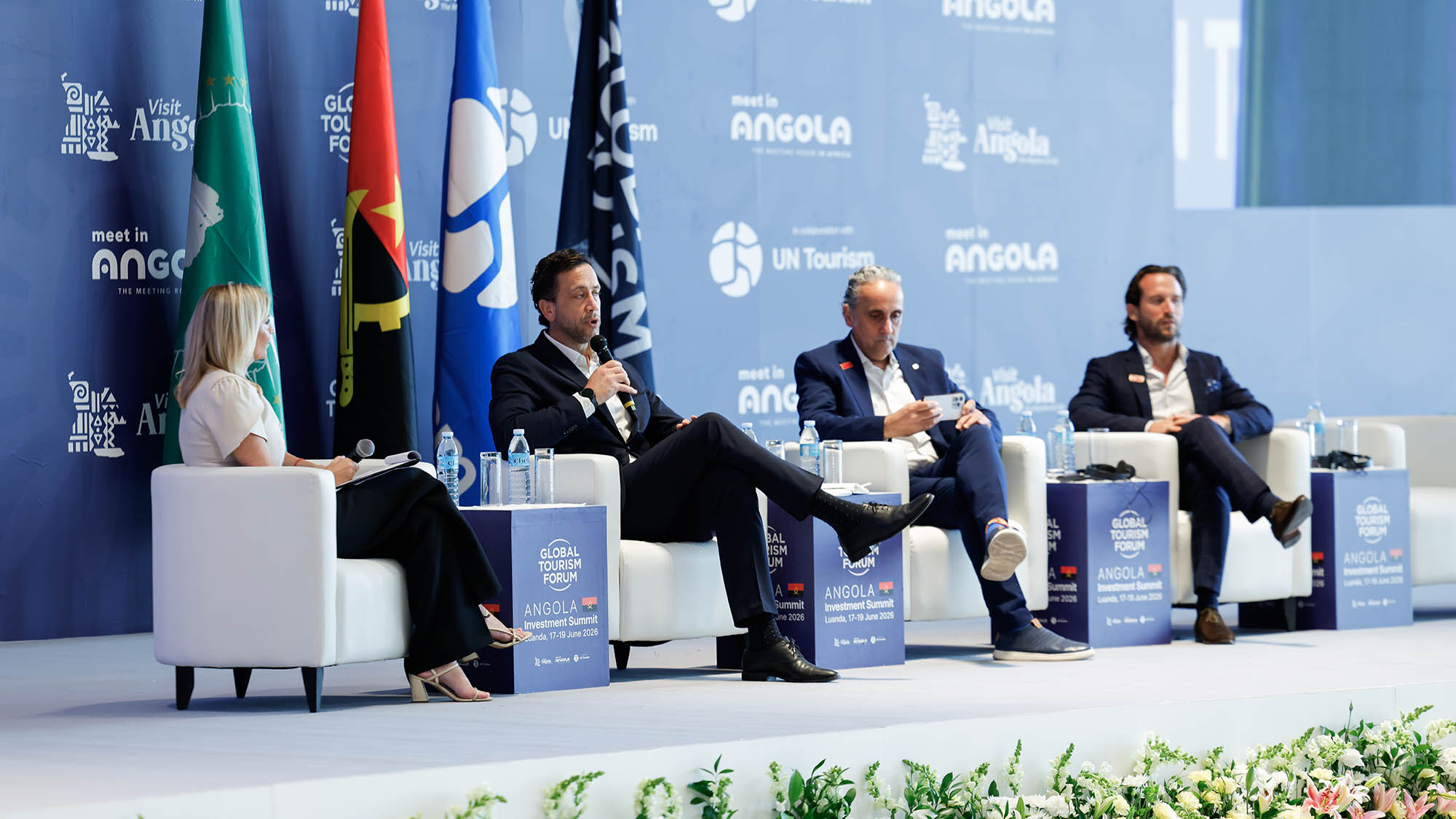



During the Global Tourism Forum Angola Investment Summit in Luanda, hospitality leaders from Hilton, TUI, and Radisson identified Angola as one of Africa’s most promising new tourist markets.
In a search for growth, new destinations, and investment opportunities, global hospitality brands are increasingly turning their attention to new, emerging markets. Angola can be considered one of them, among other things, thanks to the reforms undertaken to improve the investment climate and support economic diversification, as highlighted by President João Lourenço during the opening ceremony of the Global Tourism Forum Angola Investment Summit in Luanda.
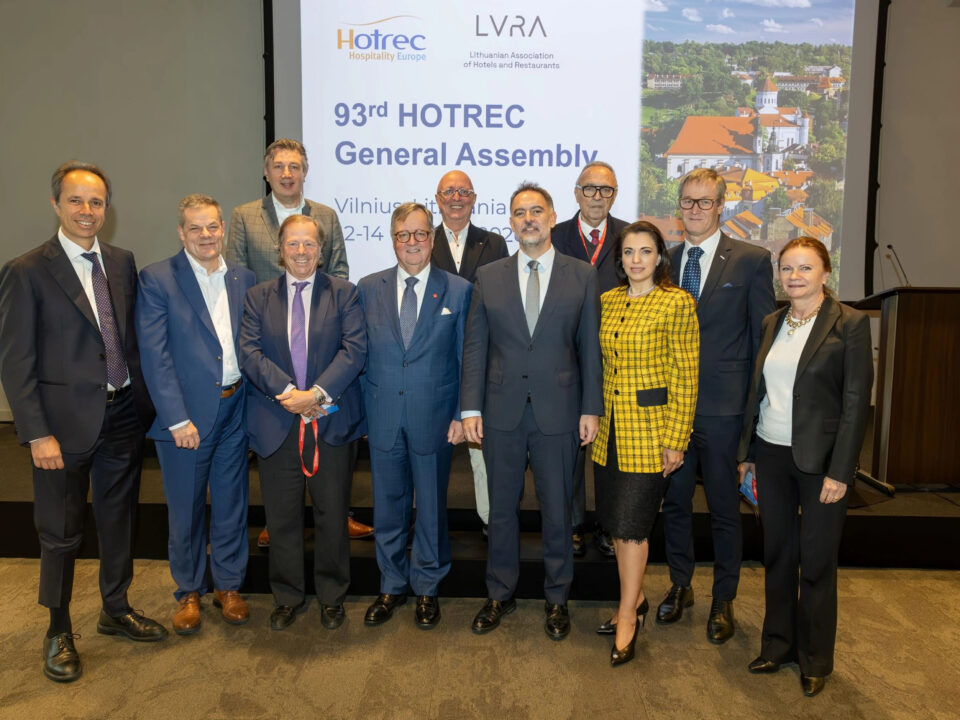
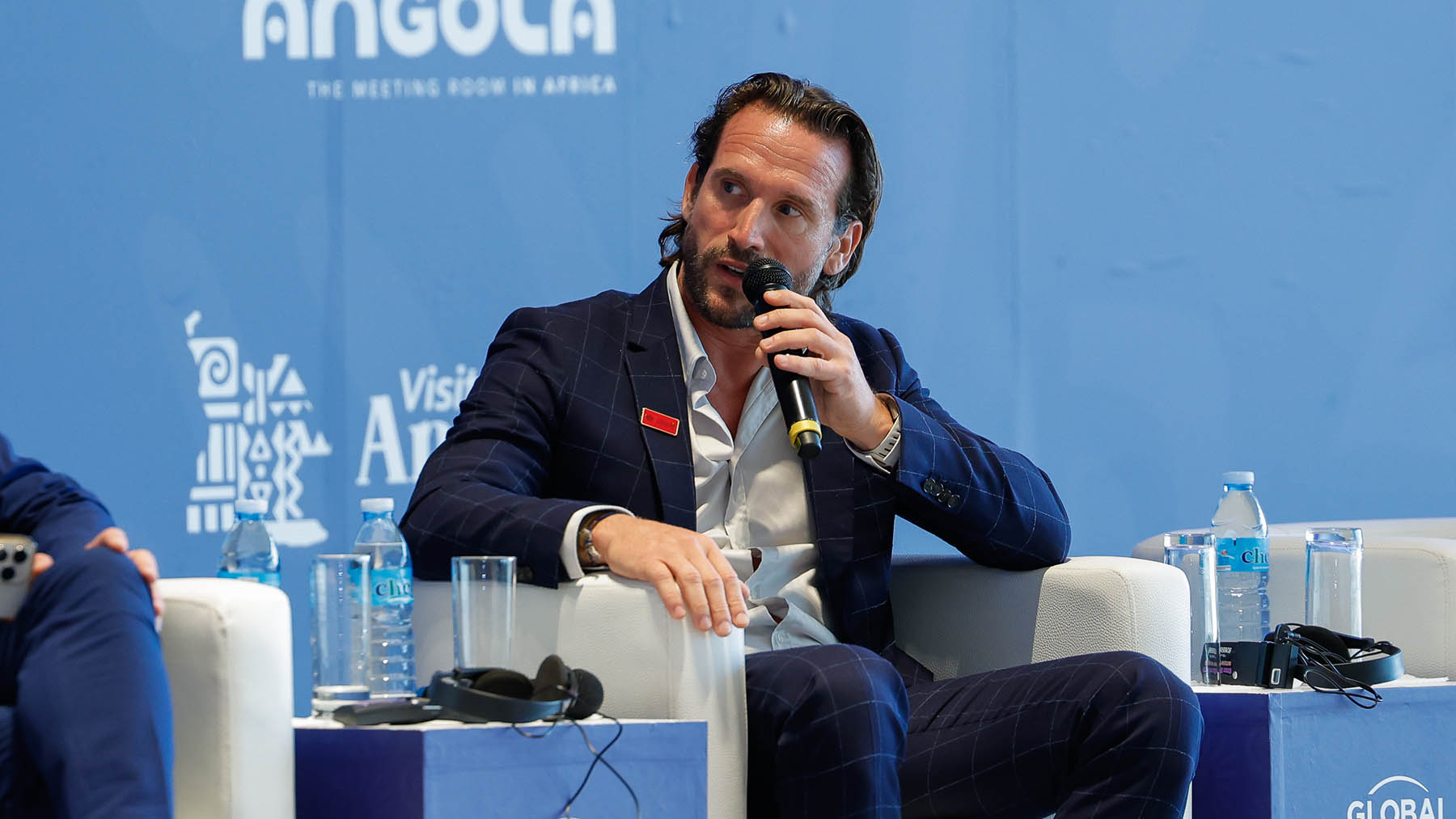
On 18 June 2026, three global hospitality leaders participated in the ‘Emerging Markets, Global Brands: The Next Frontier of Hospitality Development’ panel to shed light on the matter. Talking with host Laura Buckwell, Esteban Lozada (Managing Director, Development, North-West, West and South Africa at Hilton Hotels), Wesam Okasha (Head of Global Development for Asia, Greater China and EMEA Regions at TUI Hotels & Resorts), and Erwan Garnier (Associate Vice President for Development Africa at Radisson Hotels) went into the current hospitality opportunities in Angola.
According to Esteban Lozada from Hilton, demand generators, business tourism, leisure demand, airports, connectivity, roads, hospitals, security, stability, and the broader economic ecosystem are some of the key points that are being considered by global hotel brands before expanding into a new market.
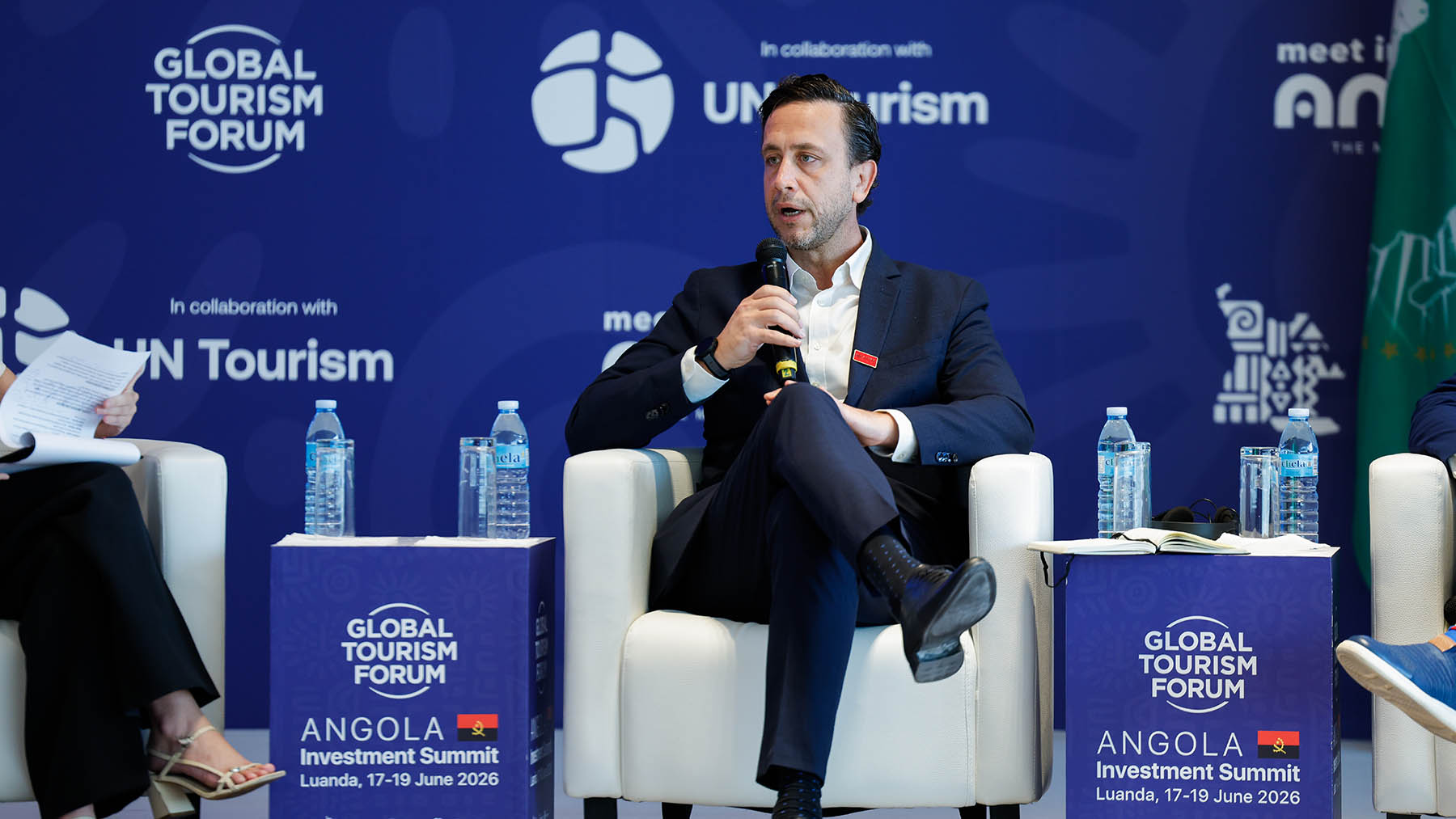
With a new international airport, ongoing government efforts to support tourism development, and a rich natural landscape, Angola is ticking an increasing number of boxes. And with several signed hotel projects underway in the country, Hilton is ready to jump onto the occasion, expanding its African network.
Wesam Okasha from TUI, too, underlined the range of possibilities in Angola. For TUI Hotels & Resorts, the country is specifically interesting because of the potential to apply its so-called cluster model, a combination of rooms, experiences, brands, and community-linked tourism development. The diversity of the country, which allows for holidays that include golf, leisure, nature, cultural experiences, as well as iconic attractions, offers the opportunity to offer a well-balanced destination offer.
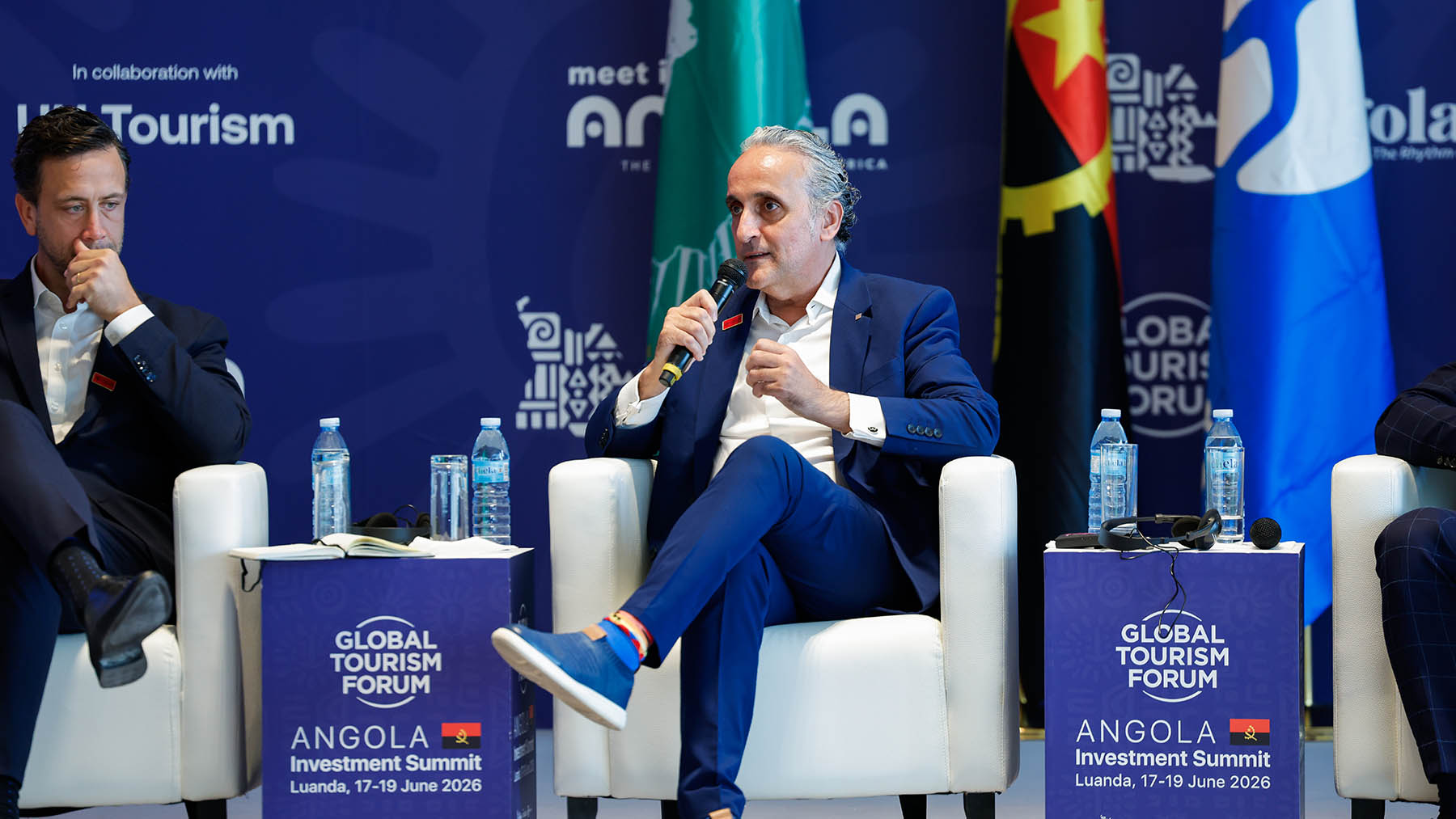
Moreover, Okasha also praised Angola’s ambition to build sustainable hospitality on all levels. With that in mind, a hotel school is expected to be a part of TUI’s first Angola-based project and should prepare over 2,000 people for the local hospitality sector as part of the brand’s commitment to benefit and involve local communities. As TUI is committed to reaching net zero by 2050, sustainability is expected to be a key point in its Angola-based projects from the start.
Erwan Garnier explained how Radisson has been studying Angola for over a decade, paying close attention to the evolving opportunities and emerging destinations. While stressing that many Africa-based projects don’t materialise due to a lack of funding, development costs, project structuring, and market-specific execution, he also said that these issues can be overcome by working with local investors, talent, and long-term partnerships.
Overall, the panel showed how Angola is currently combining opportunity and readiness, making it an interesting new frontier for hospitality development. However, the panellists underlined the importance of continuing the current development efforts. If so, the future of the hospital industry in Angola looks bright.