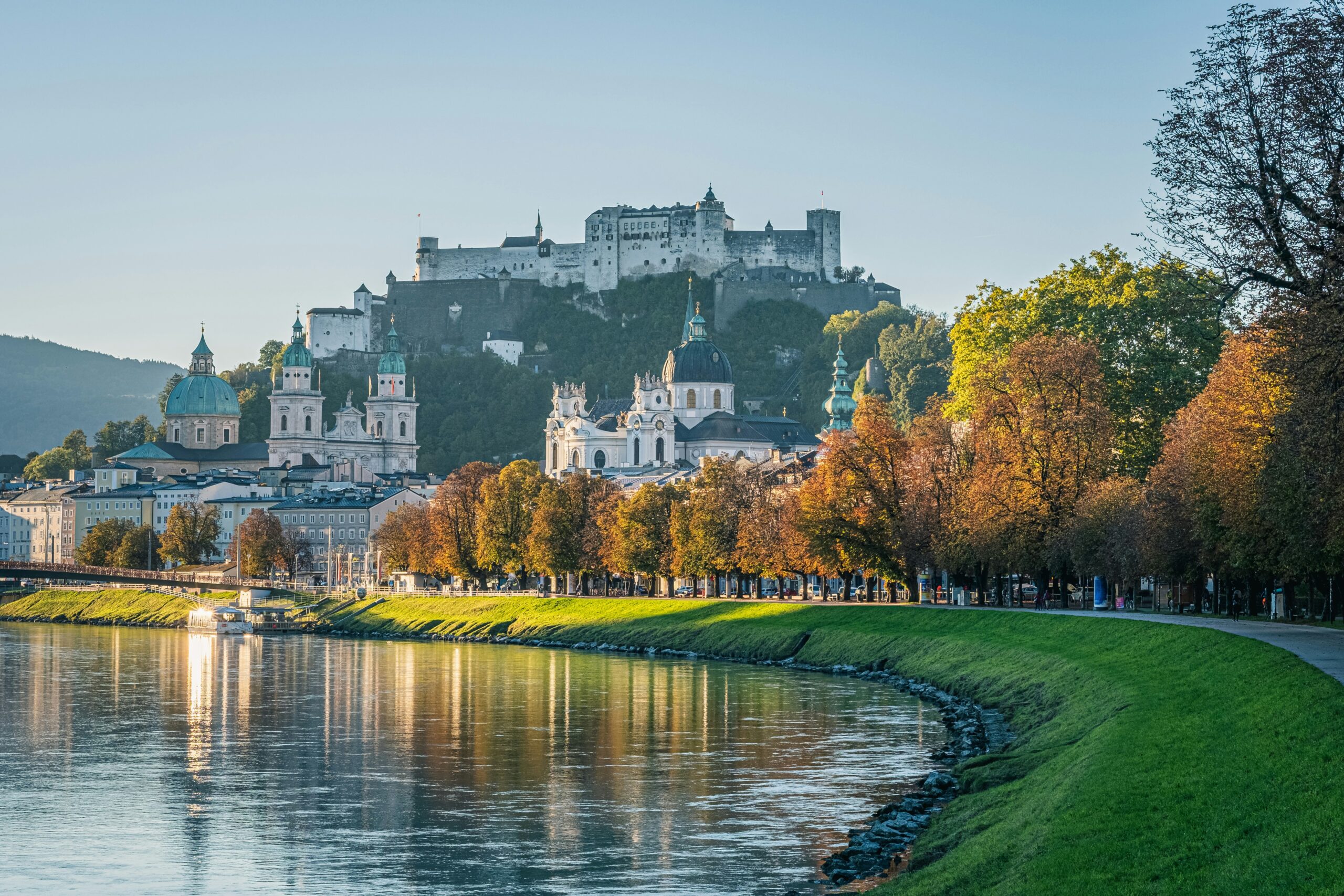


Salzburg has introduced a summer driving ban for most tourists entering its historic centre, becoming the latest European destination to curb traffic congestion and the effects of overtourism during the peak holiday season.
The restrictions came into force on 1 July and will remain in place throughout the month and into August. City authorities hope the initiative, dubbed “less traffic, more city,” will reduce vehicle entries into the UNESCO-listed Old Town by around 1,000 cars a day as visitors flock to one of Austria’s most popular tourist destinations.
Under the new rules, day-trippers arriving by car from outside the Salzburg region are no longer permitted to drive into the city’s historic centre. Instead, they are encouraged to use park-and-ride facilities on the outskirts of the city, where a €7.50 day ticket includes parking and unlimited public transport for up to five people. The parking areas are located close enough to the Old Town that some are within a 10-minute walk.
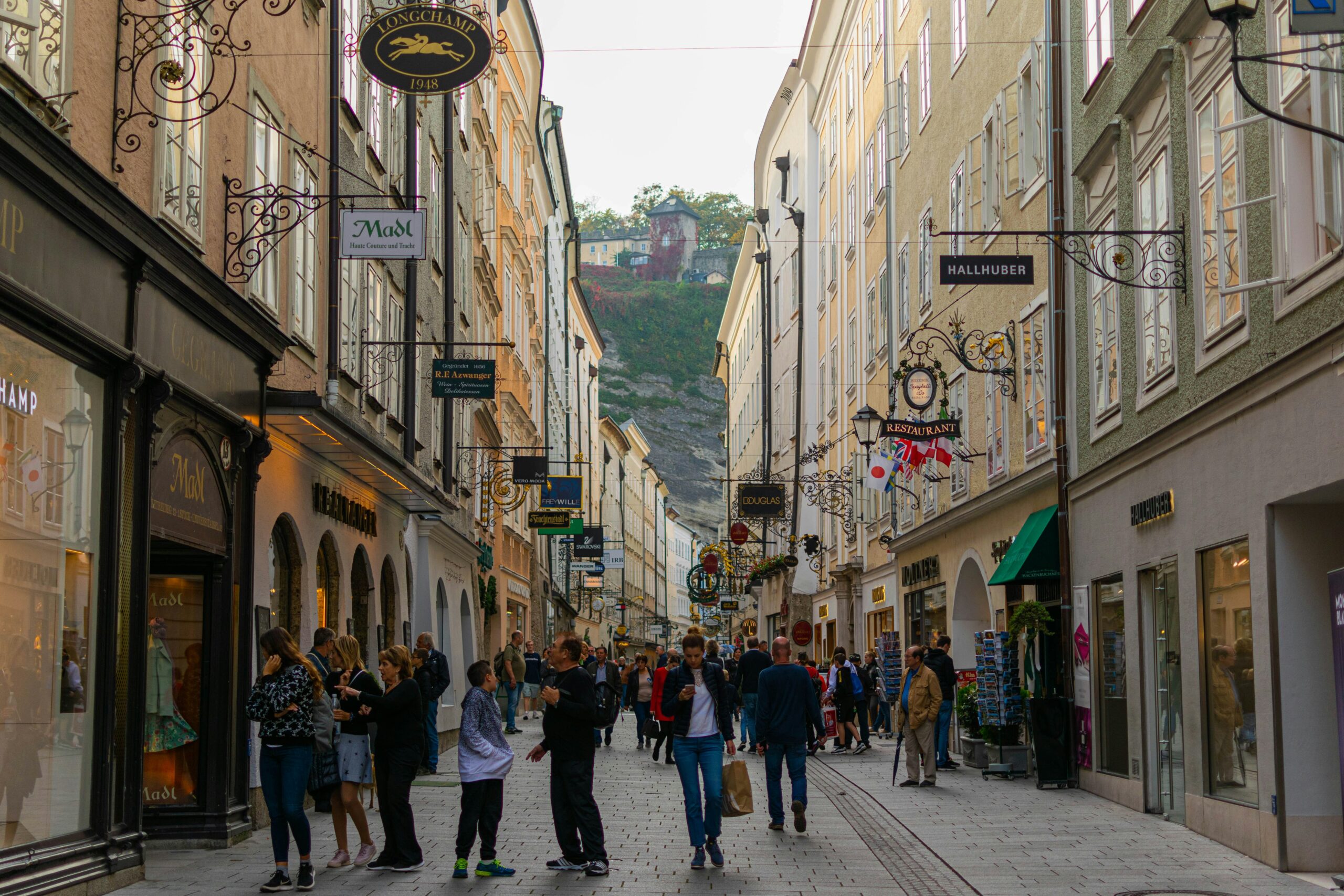
“We don’t want chaotic traffic situations like we saw last year,” Salzburg Mayor Bernhard Auinger said when announcing the measure in May. “It is aimed at day trippers who travel by car from farther afield. It is important to me that residents of the central Salzburg area and business-related traffic are not affected by this.”
Auinger said the restrictions would also improve the visitor experience by reducing long traffic delays. “It’s certainly much better than spending hours stuck in traffic. And it also makes life a lot easier for the people who live and work in the city of Salzburg,” he said.
The mayor said the decision followed growing complaints from residents about heavy summer traffic. Speaking to Salzburg24, he said: “We basically allowed tourists to drive into our sitting room.”
Police will enforce the restrictions, with drivers from outside the Salzburg region who enter the prohibited zone around the Staatsbrücke bridge facing fines of up to €80 unless they qualify for an exemption. Residents, commuters, delivery vehicles, taxis, rental cars, emergency services, disabled visitors and hotel guests with confirmed reservations remain exempt, as do motorists from the neighbouring Bavarian districts of Berchtesgaden and Bad Reichenhall in Germany.
The policy follows similar traffic-control measures adopted in other European destinations struggling with overtourism. According to Heidi Strobl of Salzburg’s tourism board, the city drew inspiration from Italy’s limited traffic zones in cities such as Rome, Florence and Pisa, as well as restrictions introduced in Dubrovnik, Croatia.
Salzburg, home to just over 158,000 residents, welcomes millions of visitors each year. The city recorded more than three million overnight stays annually, while international arrivals exceeded 1.8 million in 2025. Officials say the popularity of attractions such as Mozart’s birthplace and the continued appeal of The Sound of Music, which celebrated its 60th anniversary last year, have contributed to rising visitor numbers and increased pressure on the city’s medieval streets.