



England’s National Health Service is readying to launch a rewards scheme for people who walk at least 30 minutes per day, in a bid to improve the nation’s health and build good fitness habits.
The “marathon a month” challenge will start in 2027 and see participants logging their walking activity online and via phones and smart wear, with people incentivised to meet the 26-mile (42 km) goal through rewards including sports shopping discounts.
NHS England is initiating the project in partnership with Olympic medallist Sir Brendan Foster, who has form in establishing sporting events such as the Great North Run. The ambition is to attract 100,000 walkers to the scheme.
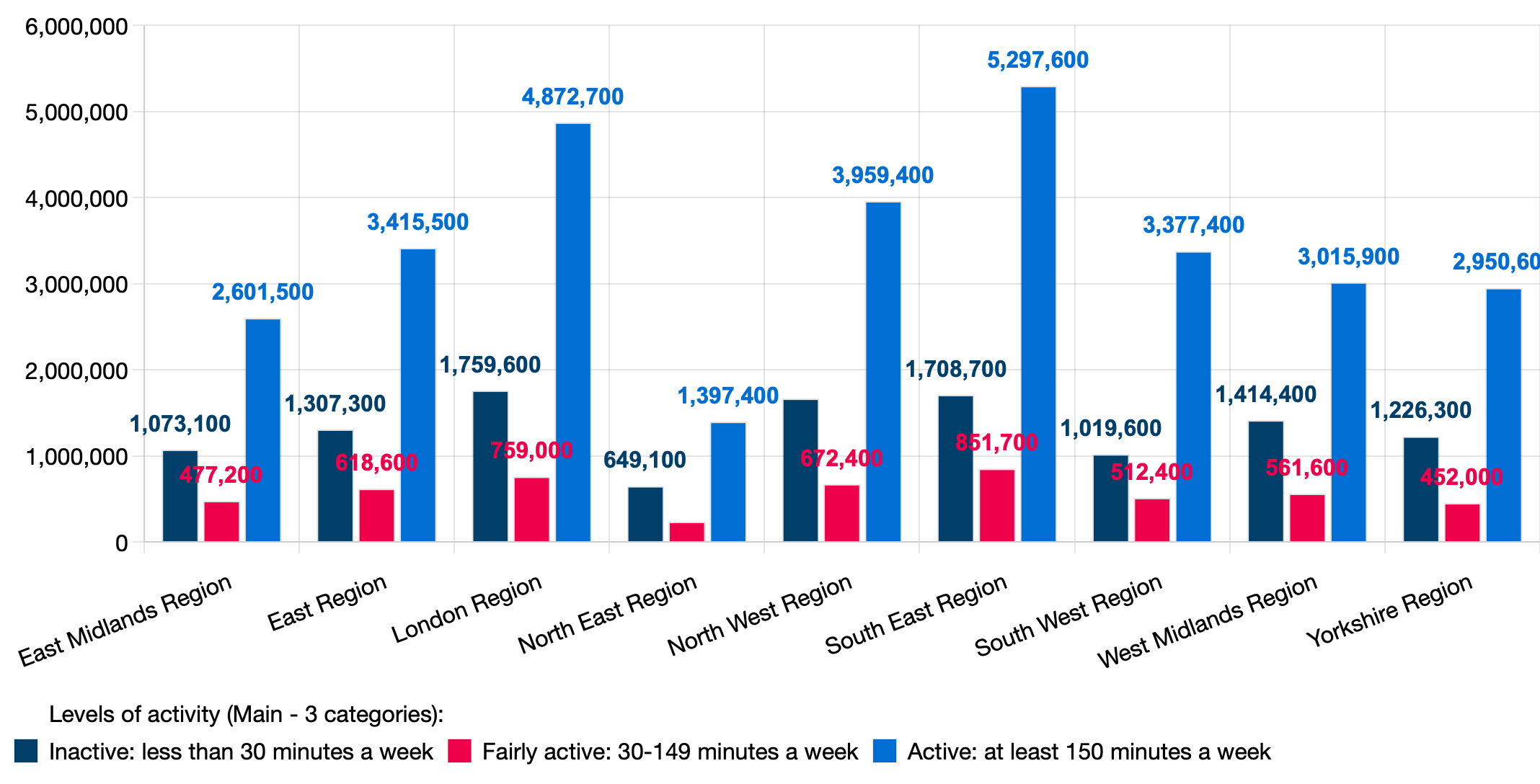
It is anticipated that doctors and other healthcare workers will also promote the scheme among their patients since it comes in response to research showing that almost 17% of deaths are associated with a sedentary lifestyle, defined as less than 30 minutes of moderate exercise per week. In 2025, around 12 million people were found to fall into that category by a Sport England survey.
Foster has said that reaching 100,000 participants would create the world’s biggest ever marathon, and pointed to the health benefits of even small walks, taken regularly. “If someone walks 30 minutes five times a week, they could gain up to four extra years of healthy life,” he noted.
While Foster has expressed strong belief in the power of digital incentives such as being able to record performance data and streaks, the plan is also to bring public and private sponsors on board, and Techradar has reported that the government is in talks with various high street brands about lending their support.
Guidelines on how to take part in the English scheme are expected to be published in the months to come. For now, though, details about registration and exactly what the rewards might be are yet to be confirmed.
It is also unclear whether the scheme will be nationwide, though that is unlikely since the United Kingdom’s health services are devolved, meaning that Scotland, Wales, and Northern Ireland develop their own health strategies. In Scotland, where a walking step count challenge has been happening since 2014, participants have clocked up over 66 billion steps.
Increasing the population’s physical activity is a priority for the UK government, which announced in June a plan by the Department for Transport and Active Travel England to ensure at least 60% of children in England are walking or cycling to school within the next 10 years. Less than half (47%) of children aged five to 16 make the journey to school under their own steam, current data reveals.