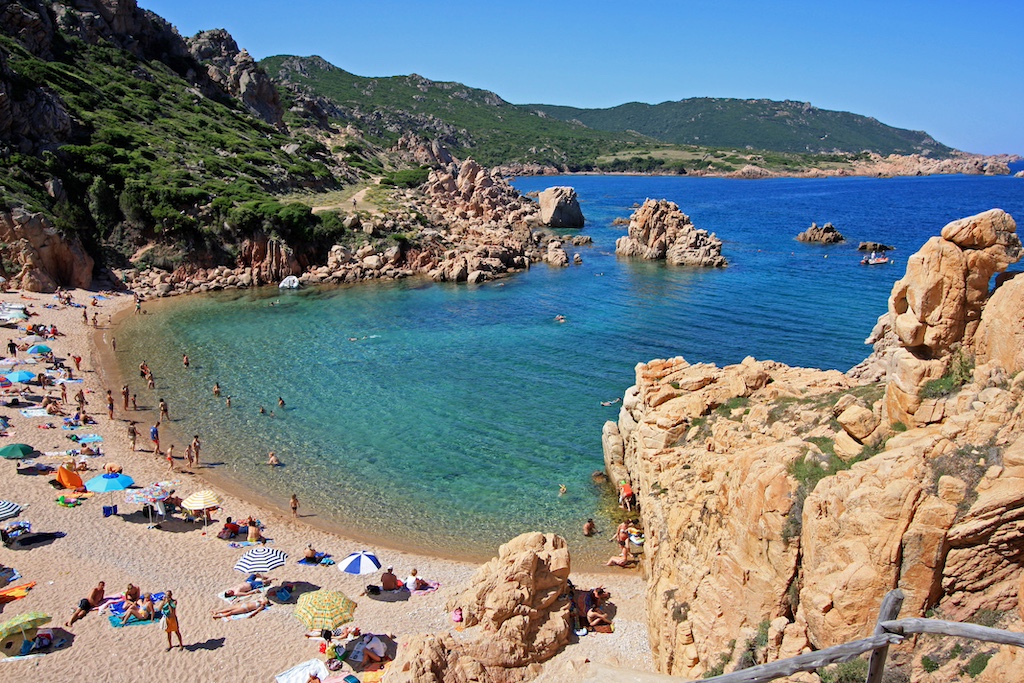



A popular Sardinian beach has introduced a new measure banning visitors from bringing their own umbrellas, in an effort to protect its fragile environment and limit overcrowding. The measure has provoked outrage online and reignited a wider debate about access to Italy’s coastline.
The measure, introduced by the Villasimius Council, applies specifically to Punta Molentis, one of Sardinia’s most photographed beaches, located on the south-eastern coast of the island.
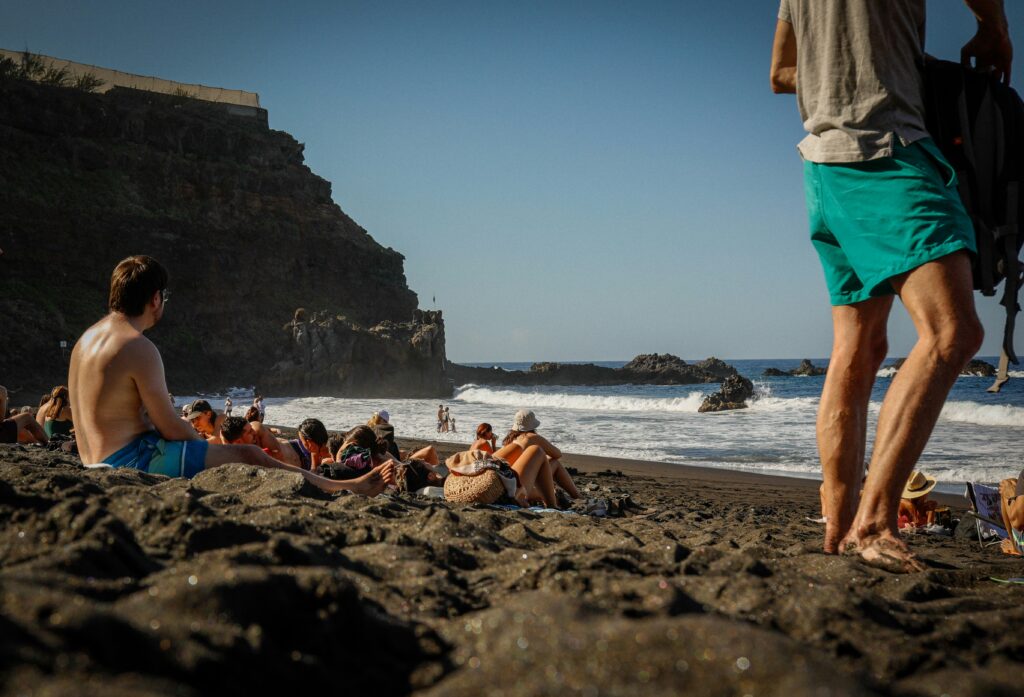
Renowned for its crystal-clear turquoise waters and white sand, Punta Molentis forms part of a protected marine area. Its popularity and “Instagrammability”, however, have put pressure on the surrounding ecosystem, particularly its delicate dunes.
Under the new rules, visitors aged 10 to 65 will no longer be permitted to bring their own beach umbrellas or other shade structures, such as gazebos and tents. Families with young children and visitors over 65 will be permitted to bring one umbrella per family or per person.
The council ordinance states that it is “prohibited to set up beach umbrellas or any other form of shade” except for those who fall under one of the exempt categories. Only authorised installations provided on-site will be permitted.
To further reduce pressure on the beach and prevent overcrowding, the authorities have introduced stricter access limits. The number of vehicles permitted to park each day will be capped at 70, and access to the dunes will be limited to 150 people.
Tickets must be purchased online in advance at a cost of €10 per person.
Visitors arriving by boat will also face restrictions, with stays limited to one hour ashore. They will not be permitted to bring rucksacks or cool bags onto the beach, and the total number of visitors arriving by boat will be capped at 100 per day, with an access fee of €5.
The new measures also introduce regulated opening hours, with access permitted between 8:00 am and 9:00 pm.
These restrictions follow wildfires that broke out in the area last summer, burning hundreds of hectares of vegetation and forcing the evacuation of beachgoers. Although there were no casualties, several vehicles parked near the beach were destroyed.
According to the council, the fires, combined with “exceptional marine weather events”, have reduced the capacity of the dunes and threatened local habitats. The authorities argue that stricter controls are now necessary “to limit the human impact and ensure the protection of this heritage for future generations”.
However, the announcement has not been welcomed by everyone. The Guardian reported that several social media users reacted with irony after the new guidelines were published on Facebook. One commenter jokingly asked, “Do I need to rent a child to put up an umbrella?”, while others questioned how the rules would work in practice.
This touches on a sensitive subject in Italy, where beach culture is deeply rooted in everyday life. For many Italian families, the summer ritual of heading to the coast, renting a spot, and spending the entire day by the sea is almost sacred.
Last year, proposals affecting access to parts of Italy’s coastline sparked controversy, particularly regarding the role of private beach concessions, with concerns that seaside holidays were becoming less accessible for ordinary families.
Punta Molentis is not the only Italian beach trying to address overcrowding. In Jesolo, near Venice, the authorities have reduced the number of sun loungers and parasol spaces by 20,000 in an attempt to create more space between visitors.