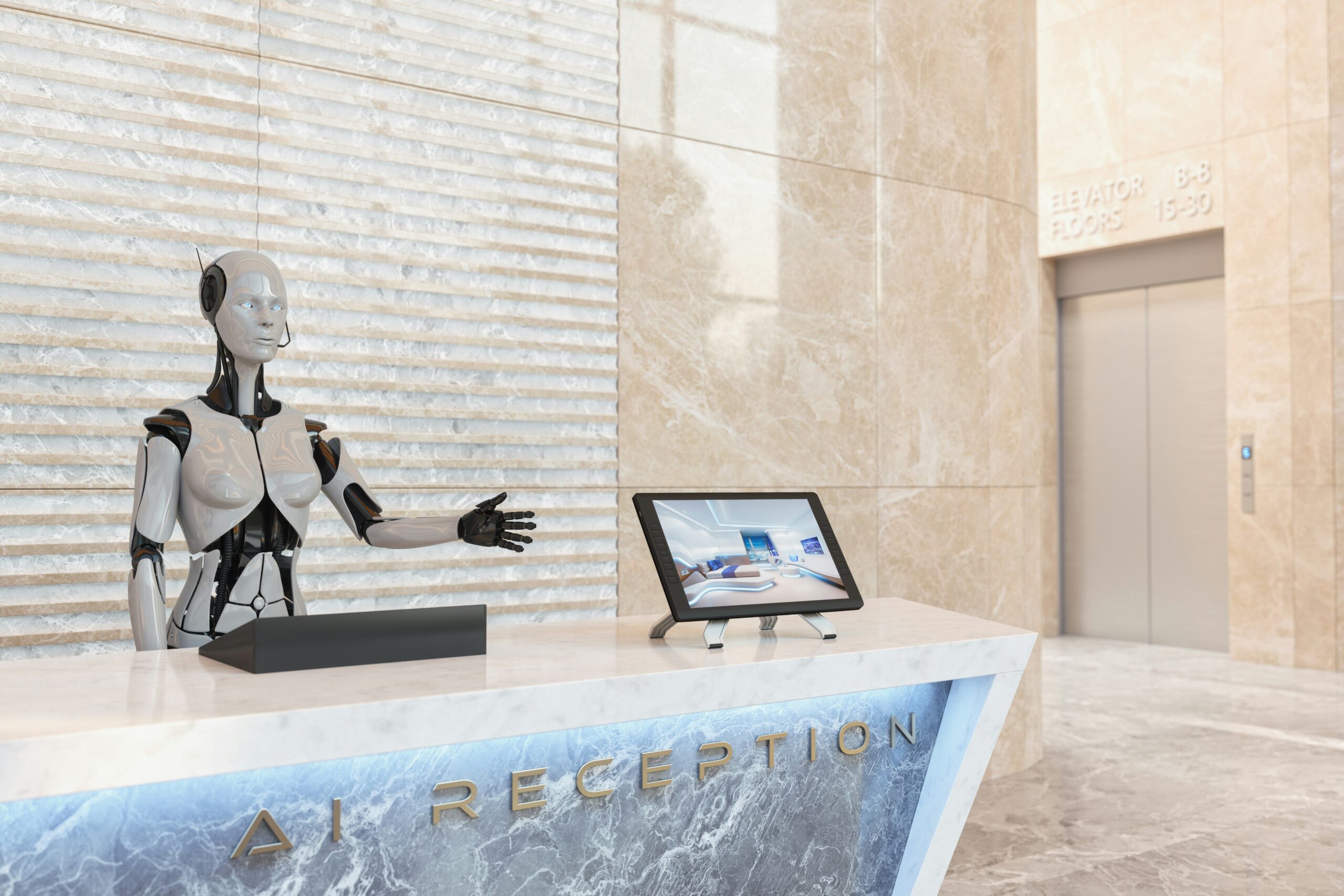



As AI is rapidly becoming everyone’s private concierge, hotels and other accommodation providers must adapt to ensure they are recommended by these new digital travel advisers.
As travellers’ requests become more precise thanks to the personalised responses provided by AI tools, hotels must ensure all relevant property information is available online to appear in AI-generated recommendations.
Having spent years mastering traditional SEO, online travel agencies (OTAs), paid listings, and review sites, hotels now face a new challenge if they want to keep their rooms filled: AI.
honestly reasonable
— Md Farhaz (@IamMdFarhaz) May 20, 2026
people tolerate ai making coding mistakes more than travel mistakes because:
bad code wastes time
bad flights ruin entire trips
“We’re in complete upheaval. Last year, 35 per cent of French people used artificial intelligence to find a hotel, café or restaurant,” Nicolas Marette, founder of the French company Custplace, which helps firms optimise their digital presence, told France24.
Today, 37% of travellers are already using AI to make travel plans, and this figure is expected to grow rapidly. However, according to a recent study by the Boston Consulting Group (BCG), only 25% of hospitality companies have “an AI strategy that is starting to produce real returns across multiple organisational activities”.
French hospitality group Accor told France24 that it has been studying ways to become more “relevant” in the travel industry and break into the AI market, a challenge that has made achieving visibility even more difficult. While a traditional Google search may offer dozens of results, AI assistants usually narrow down recommendations to just a handful of options.
Back to the future: Natural language queries
According to Nicolas Maynard, Accor’s chief of AI and data science, one of the biggest challenges lies in understanding natural language requests such as “I want a romantic hotel in the south” or “Find me a calm boutique hotel near the Eiffel Tower with power sockets by the bed and views of the Trocadéro”.
“We need to adapt our systems to take semantics into account,” said Maynard.
AI could enable hotels to respond to the kind of detailed enquiries that travellers used to make to human travel agents.
In many ways, the digital concierge marks the return of the travel adviser, but on a global scale. Human agents also offered a limited selection based on their knowledge and experience, and sometimes on the hotels they had personally visited. The difference is that their recommendations varied from one person or country to another, whereas AI risks offering the same five options worldwide.
To avoid being overlooked in these recommendations, hotels will need to provide much richer information, covering everything from atmosphere and guest experience to room details, accessibility, views, noise levels and even the location of power sockets.
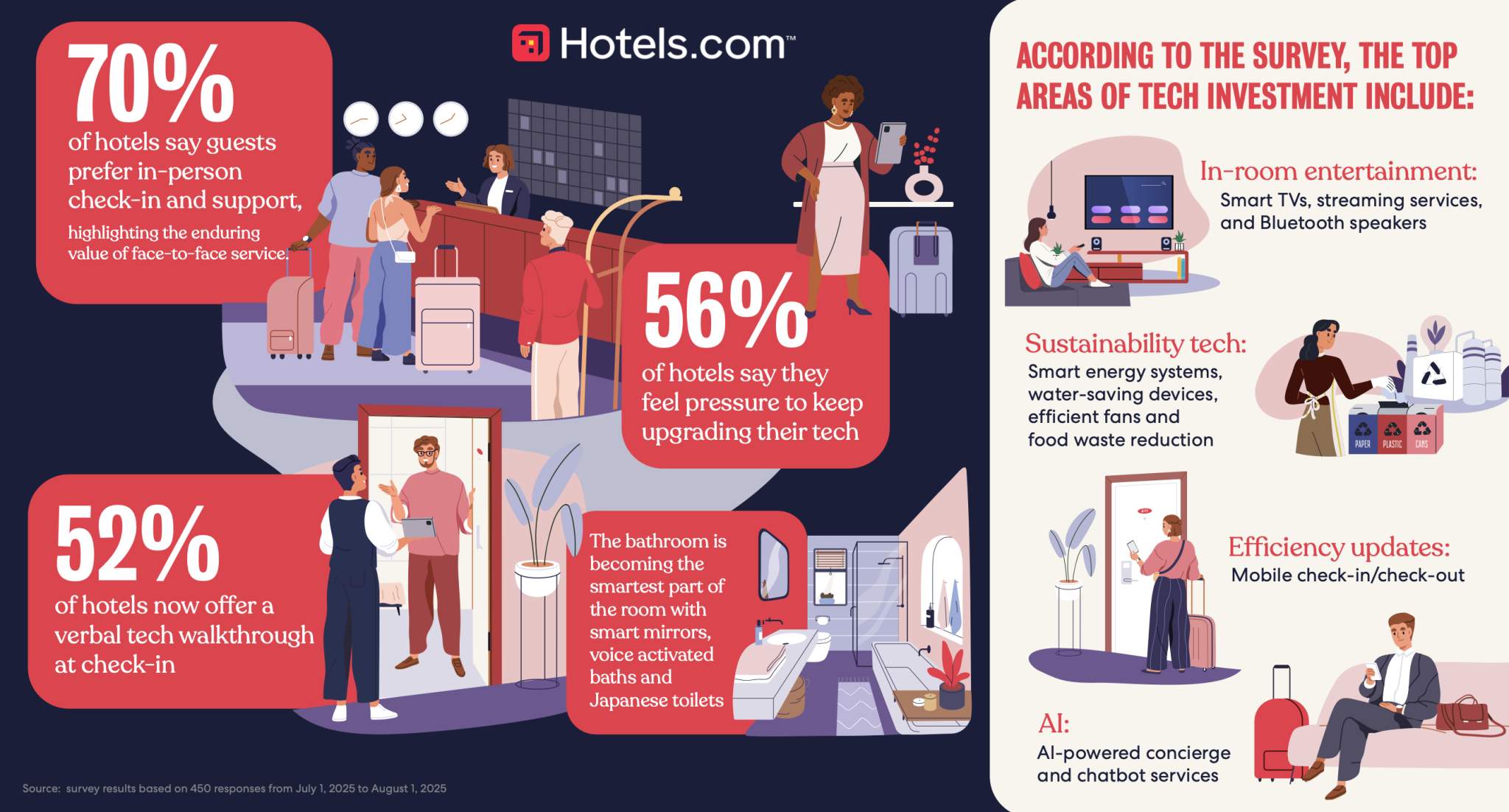
Furthermore, just as travel agencies traditionally worked with commissions and premium visibility, AI platforms could eventually move in the same direction.
“The familiar OTA commission model will evolve into AI-era distribution fees, charged for prominence and relevance in algorithmic recommendations,” says the BCG report.
However, information alone will not be enough. BCG notes that “algorithms elevate properties with comprehensive, high-trust, multisource information over those with sparse or inconsistent digital footprints”.
Hotels will therefore have to ensure that their online presence is accurate, complete, and constantly updated, because failing to do so could cost them customers in this new race for visibility.
Reviews are also expected to play an increasingly important role, as AI models can analyse travellers’ feedback and use it to generate recommendations.
While the AI concierge is not yet perfect, it is already changing the way the hospitality industry operates and forcing hotels to rethink their strategies.