


The ongoing conflict involving Iran could cost the Middle East around 23 million international visitors and nearly $34 billion in tourism spending, according to estimates highlighted by tourism leaders and industry analysts, raising concerns about the future of one of the world’s fastest growing travel regions.
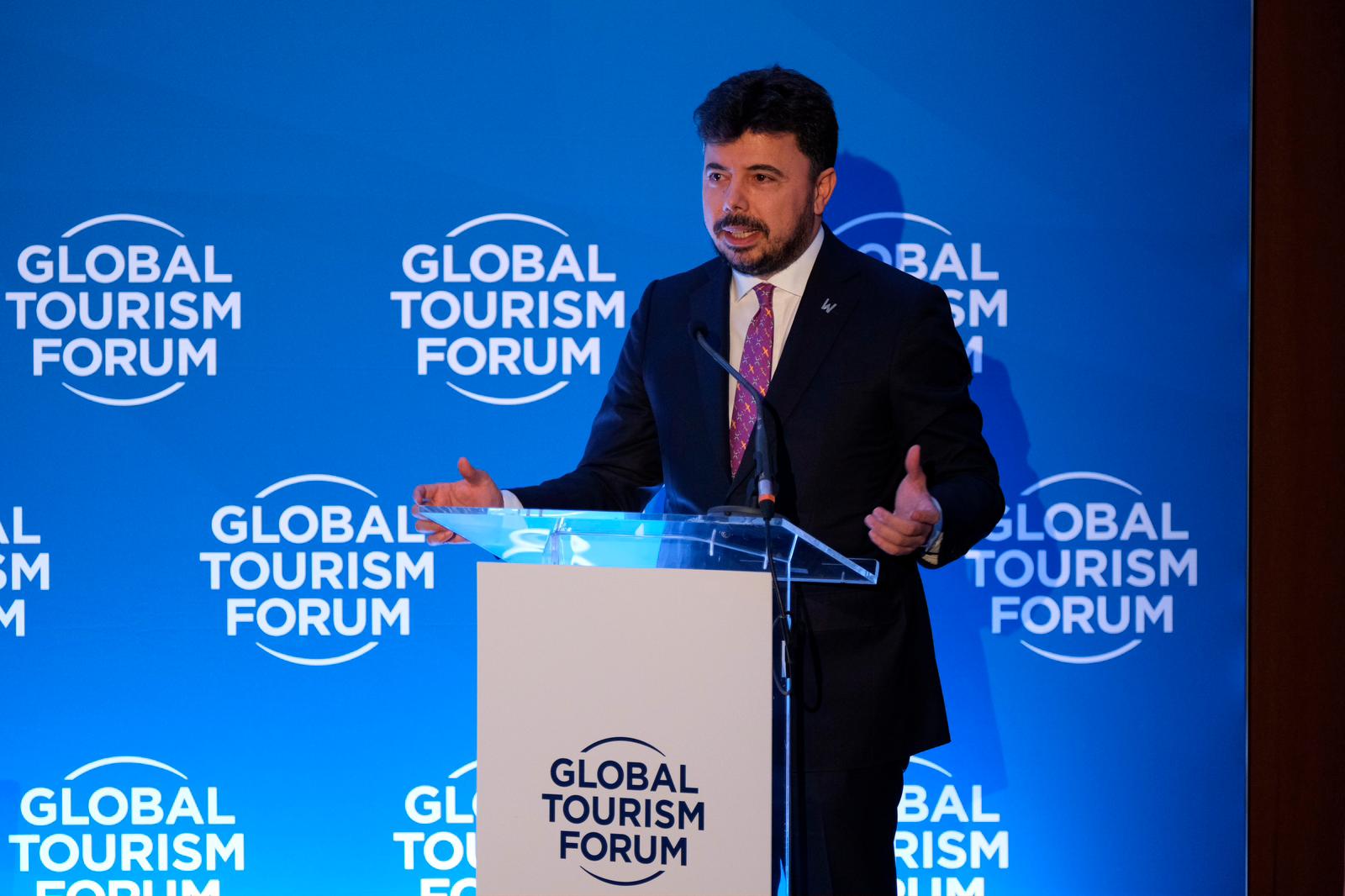
Speaking to Al Jazeera Arabic, Bulut Bağcı said the conflict is creating both a shock and a turning point for global tourism, as travellers increasingly prioritise safety, flexibility and political stability when choosing destinations.
Tourism faces immediate disruption
While tourism has historically shown resilience during geopolitical crises, Bağcı noted that travellers are already changing their behaviour.
“People continue to travel, but they change their destinations, the airlines they use, and sometimes even the entire nature of their holidays,” he told Al Jazeera.
The impact is being felt across the wider travel ecosystem, including airlines, airports, hotels, travel insurance providers, tour operators and investors.
© Oxford Economics
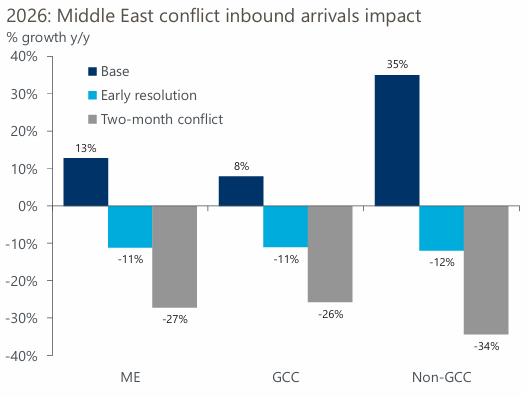
According to forecasts from Tourism Economics, international arrivals to the Middle East could decline by between 11% and 27% in 2026 depending on how long the conflict continues. Under an early resolution scenario, the region could lose 23 million visitors and around $34 billion in tourism spending. A prolonged conflict could push losses to 38 million visitors and $56 billion in spending.
Air connectivity under pressure
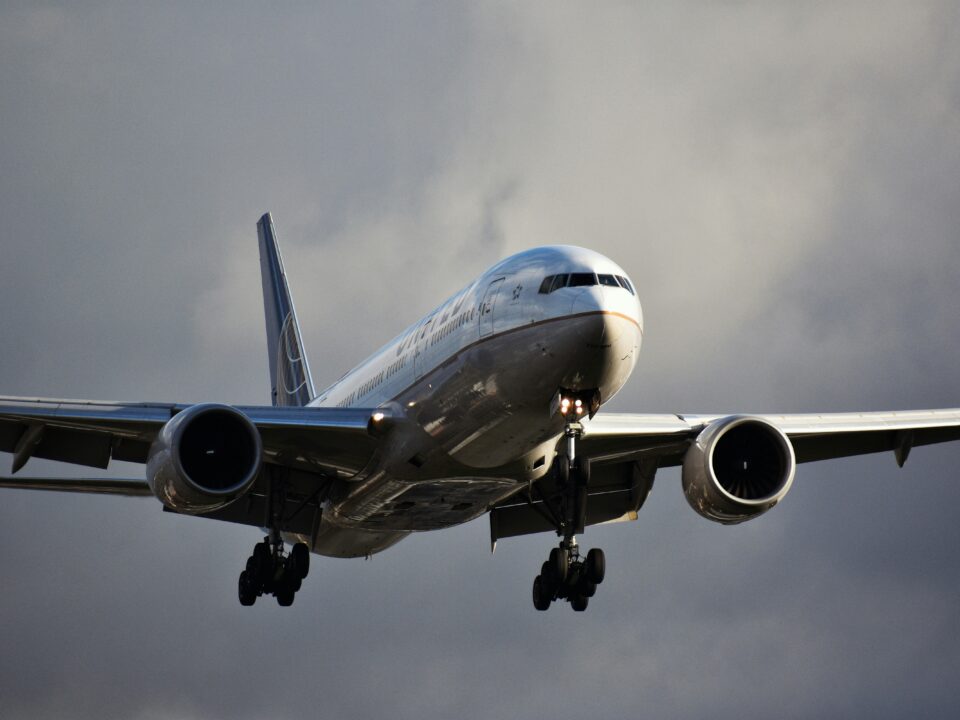
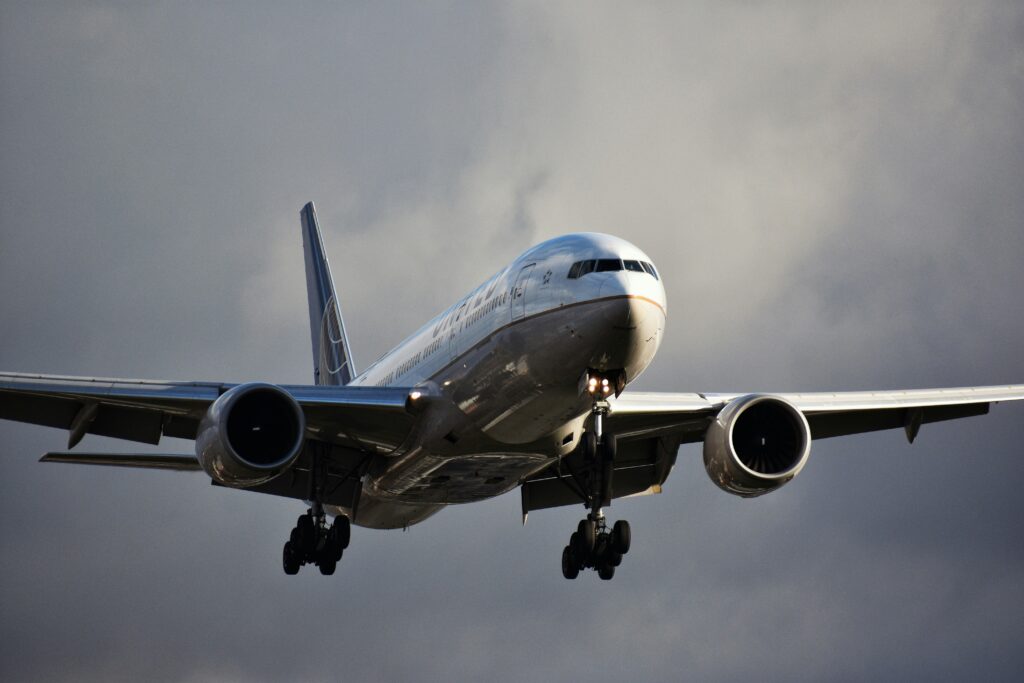
Aviation remains one of the sectors most exposed to the crisis. The Middle East serves as one of the world’s most important transit regions, accounting for around 14% of global international transit activity. Airspace closures and flight cancellations have already disrupted travel across multiple markets. According to Tourism Economics, more than 5,000 flights were cancelled during the first days of the conflict.
Bağcı warned that Gulf countries face a particularly complex situation because their tourism growth is closely linked to aviation connectivity and perceptions of stability.
Destinations such as Dubai, Abu Dhabi, Doha and Riyadh have built strong international tourism brands over the past decade, but disruptions to regional airspace can quickly affect traveller confidence.
HH Sheikh Mohammed bin Rashid reviews report of the Emirates Tourism Council and achievements of the UAE's tourism for 2025
— Sinan (@SinanYTRR) May 26, 2026
Key results and achievements:
+32 million guests stayed in hotel establishments, reflecting an increase of 5.1% compared to 2024.
AED 49.21 billion in… pic.twitter.com/G78AsKYHd3
According to Reuters, passenger traffic at Dubai International Airport fell significantly during the first quarter of 2026 as travel demand weakened amid the conflict.
Safety becomes a competitive advantage
For Bağcı, the crisis reflects a broader shift taking place across the tourism industry.
Tourism is no longer defined solely by beaches, landmarks or luxury hotels. Security, political stability and strong airport connectivity are increasingly becoming central components of the tourism product itself.
Countries capable of providing safety, streamlined visa procedures, reliable infrastructure and effective crisis management are expected to gain a competitive advantage as travellers reassess their priorities.
“The countries that can provide security, facilitate visas, offer strong airports and maintain political stability will attract more tourists in the future,” Bağcı said.
Alternative destinations may benefit
As demand shifts away from perceived conflict zones, several destinations could benefit from changing traveller preferences.
Bağcı highlighted countries including Turkey, Greece, Spain, Italy, Morocco, Egypt, Thailand, Indonesia and the Maldives as destinations that could attract additional visitors due to perceptions of greater stability.
Southern European destinations, in particular, may benefit from strong air networks, established tourism infrastructure and continued demand for sun and cultural tourism experiences.
A changing global tourism landscape
Despite the scale of the disruption, Bağcı does not believe global tourism demand will collapse.
Instead, he expects a redistribution of travel flows, with tourists favouring destinations that offer confidence, security and predictability.
The conflict, he argues, may ultimately reinforce a new reality for the travel industry: in an increasingly uncertain world, safety and stability are becoming just as important as attractions, hospitality and climate.