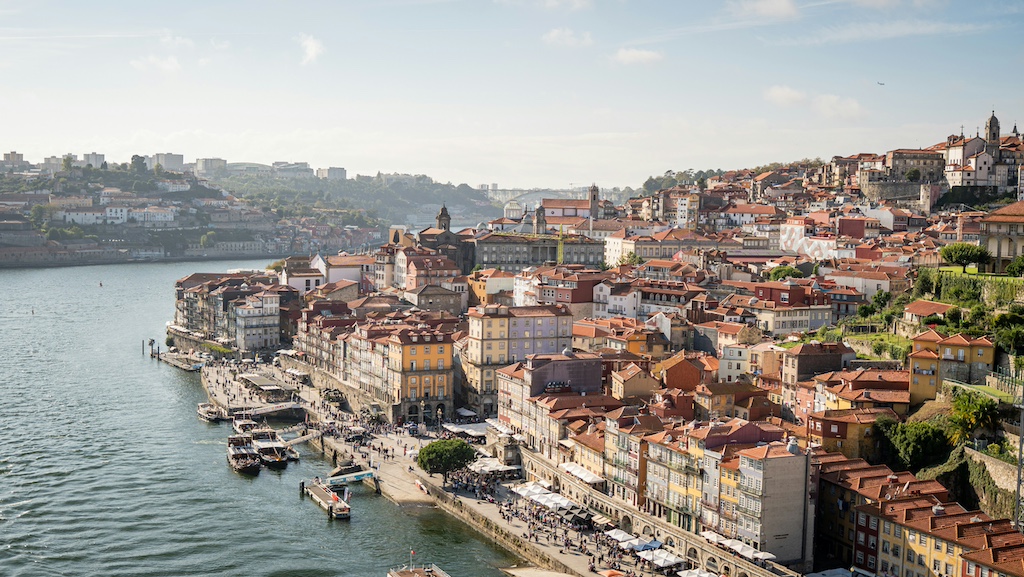



As hostilities in the Middle East continue, Portugal is emerging as a major beneficiary of current shifts in global travel trends as travellers seek routes and destinations unlikely to suffer from airspace, connectivity hub, or oil shortages.
While the Arabian Peninsula and Gulf are suffering from drone and missile threats that have grounded flights and halted cruise activity, for most European and many North African holidaymakers, Portugal, on southwest Europe’s Atlantic coast, is a short-haul destination that does not require overflying or rerouting around troubled areas.
The Middle East is estimated by the World Travel & Trade Council (WTTC) to be losing $600 million a day since the first US and Israeli strikes on Iran in late February 2026. Airlines are using alternative arrangements to “park” or “overnight” planes that are no longer serving Middle East routes, with Teruel Airport, an isolated former military airbase that usually operates no passenger traffic but serves as an aircraft maintenance and aircraft storage facility, reportedly welcoming dozens of Qatar Airways jets in mid-to-late March. It’s easy to redirect planes from here into the southwest of the region.
Meanwhile, The Portugal News reports that the consumer response to such geopolitical instability has seen travellers too “shifting plans away from parts of the Middle East and the eastern Mediterranean and toward southern Europe” with attention turning to Italy, Portugal, and Spain thanks to their “warm climates, established tourism infrastructure and, importantly, a perception of safety and political stability.”
Going further, the outlet says: “Portugal, in particular, has built a reputation over the past decade as a place that is not only desirable to visit but also easy to live in for longer periods.” The low cost of living in comparison to much of more central and northern Europe is a significant factor driving multi-night stays or longer-term trips, and even digital nomadism as people choose to live and work abroad, boosting visitor spend.
Portugal as a holiday destination is also well established, particularly in source markets such as the United Kingdom, Germany, and the Netherlands, and increasingly in recent years, the United States. Attending IHIF, the International Hospitality Investment Forum 2026, destination manager Turismo de Portugal noted that the country is “currently experiencing a historic moment” with tourism revenue hitting a “record €29.1 billion, driven by 32.5 million visitors and 82.1 million overnight stays.” Tourism now accounts for around 12% of national GDP and 48.6% of the country’s service exports, with Portugal ranking 5th among European markets in terms of hotel investment volume.” That sense of familiarity is invaluable in uncertain times as travellers (and investors) tend to return to the comfort of what they know.
A strategic analysis by IPDT – Tourism Intelligence has found that Portugal could attract around €500 million from the German market alone, drawing visitors who might have chosen Egypt, for example, amounting to approximately 300,000 new guests and 2.4 million additional overnight stays.
However, notes of caution must be sounded. With overtourism and a cost-of-living crisis around housing and short-term rentals already provoking tensions in southern Europe and Spanish cities and resorts in particular, Portuguese authorities should ensure intelligent resource management and focus on attracting tourist footfall away from popular Lisbon and the Algarve into less-trodden central regions, IDPT said.