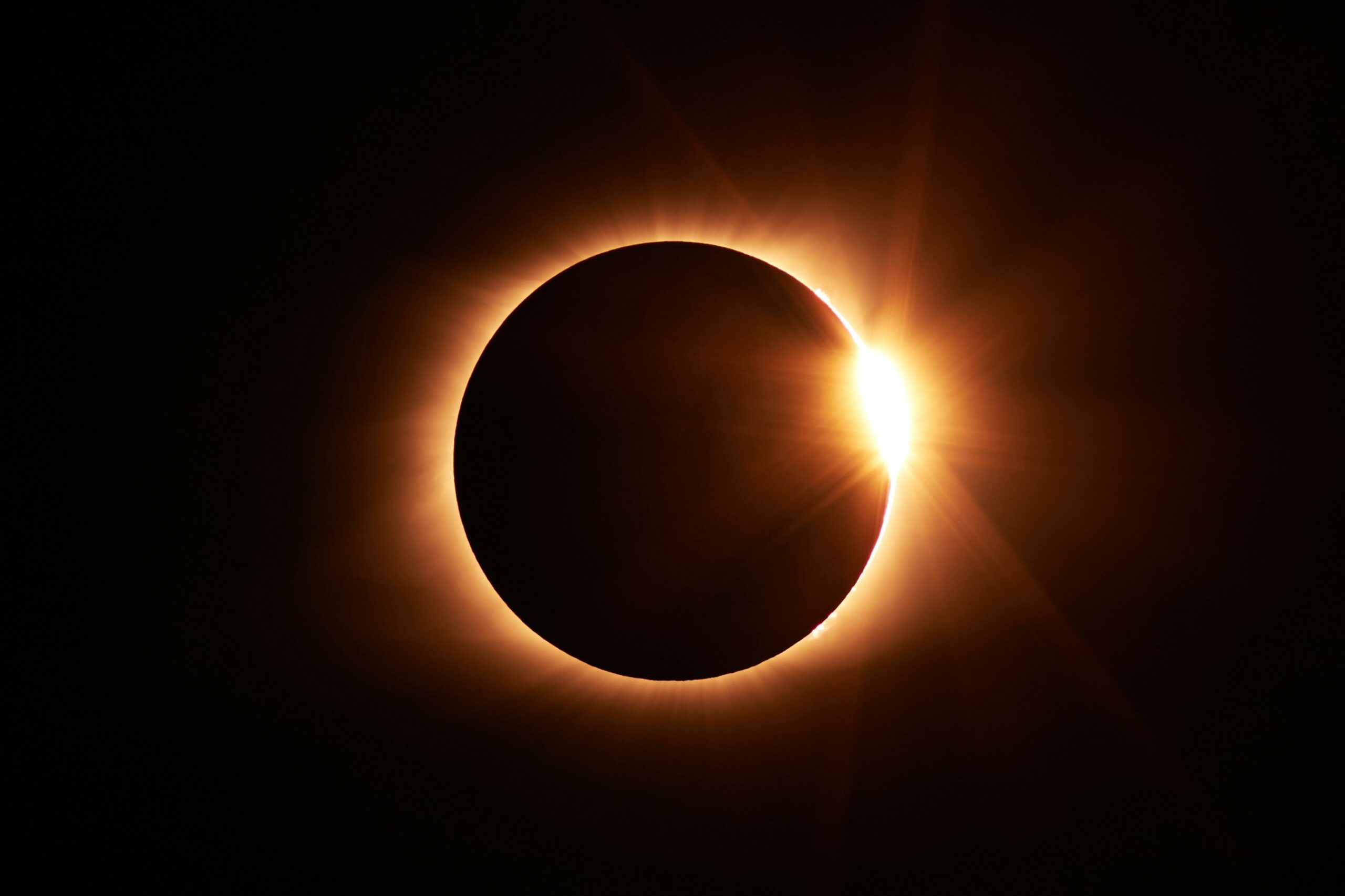



Eclipse tourism is booming. The 2024 event in the US generated an estimated $1.6 billion in direct revenue, and around $6 billion overall, according to Perryman Group analysts, and the solar totalities coming in 2026 and 2027 are, likewise, predicted to be big business.
On 12 August 2026, Iceland will see its first and only 21st-century eclipse, with a four-day festival planned to mark the occasion. Billed as a “global celebration of the solar eclipse with music, art, science, and tech,” the Iceland Eclipse Festival will take place from 12 to 15 August 2026 in Hellissandur on the Snæfellsnes Peninsula in the country’s north-west.
Fourth Contact. 🌋 Over 200 participants are joining us in Iceland, with more additions to come.
— Iceland Eclipse (@IcelandEclipse) March 26, 2026
In the path of totality, at the edge of the world, something rare is taking shape.
August 11–15, 2026
Limited passes remain at this tier. ☄️https://t.co/t3Ib4mBqk6 pic.twitter.com/cmWgmuyuFO
The August 2026 eclipse will also be visible from 40% of Spanish territory, giving many in Europe their first opportunity to see a totality in a well-connected destination in more than 25 years. But with Spain already notorious for overtourism and question marks over room availability already circulating, some are looking ahead instead to the 2027 eclipse as the event not to miss.
2027’s solar totality, set to take place on 2 August, will be the longest total eclipse of the sun for 100 years, lasting six minutes and 23 seconds at peak locations, and will be visible from a series of iconic destinations, including cradle of the Pyramids, Luxor, Egypt, and Cádiz in Spain, where over 125 watchtowers look out over the city and west towards sunset over the Atlantic.
See the first total solar eclipse in mainland Europe in nearly 30 years with the clearest view in the world. 🤯
— Royal Caribbean Europe (@MyRoyalEurope) October 11, 2025
🗓️ Arriving in 300 days! August 12, 2026
🧳 Explore Spain in Portugal on this 9-night cruise
Tap the link to learn more. 🔗 https://t.co/9KWvIO7sfS pic.twitter.com/qlWOYwy09Y
Speaking to Euronews Travel, Dr. Kelly Korreck, a programme scientist for eclipses at NASA Headquarters, noted the experiential side of the phenomenon—something that is in lockstep with today’s trends in travel: “It’s hard to explain, especially in this digital world, why it actually is worth going out and experiencing this in real life,” Dr. Korreck said, adding: “The pictures are beautiful, but they don’t do the whole body experience justice.”
With more and more people then seeking out the thrill of eclipse viewing in person, and numerous tour and cruise operators catering to them, it is easier than ever to plan a trip to coincide with the experience. Website whereisthenexteclipse.com can help. It calls the 2027 event “the eclipse of the century,” noting not only its long totality, but its trajectory across what are likely to be clear skies, in southern Europe and north Africa. Indeed, the path of totality will sweep over the Atlantic through Spain, Morocco, Algeria, Tunisia, Libya, Egypt, Sudan, Saudi Arabia, Yemen and Somalia.
While recommending Egypt’s perhaps unbeatable credentials, the man behind the website (science, travel journalist, and eclipse enthusiast Jamie Carter), notes that Luxor and the Valley of the Kings are popular destinations in their own right, and like Spain, are destined to be crowded for the 2027 event. He recommends Sohag, “a satellite town about a four-hour drive north of Luxor, on the west bank of the Nile. It enjoys identical totality time to Luxor—6 minutes 20 seconds—and it’s close to the intriguing Red Monastery” he says.
Wherever the curious choose to view the eclipses, it might not be the only time they choose to do so. Korreck highlights how powerful and addictive the encounter with celestial movement is. “Once you actually see totality, and see this beautiful outer part of the sun that you can’t see on a day-to-day basis, it’s awe-inspiring. As many times as you see it, you just want to see it again.”