Following volcanic eruptions in Indonesia, aviation has been disrupted, with flight cancellations at Bali airport and other regional destinations since Monday 7 July, 2025.
Two explosions at Mount Lewotobi Laki Laki released smoke and gas columns reaching up to 18 km high and showering neighbouring villages with ash and dust. Lava and rocks have been distributed up to five kilometres around the mountain, according to the national Geology Agency. No one has been reported as injured.
Flight cancellations and disruption
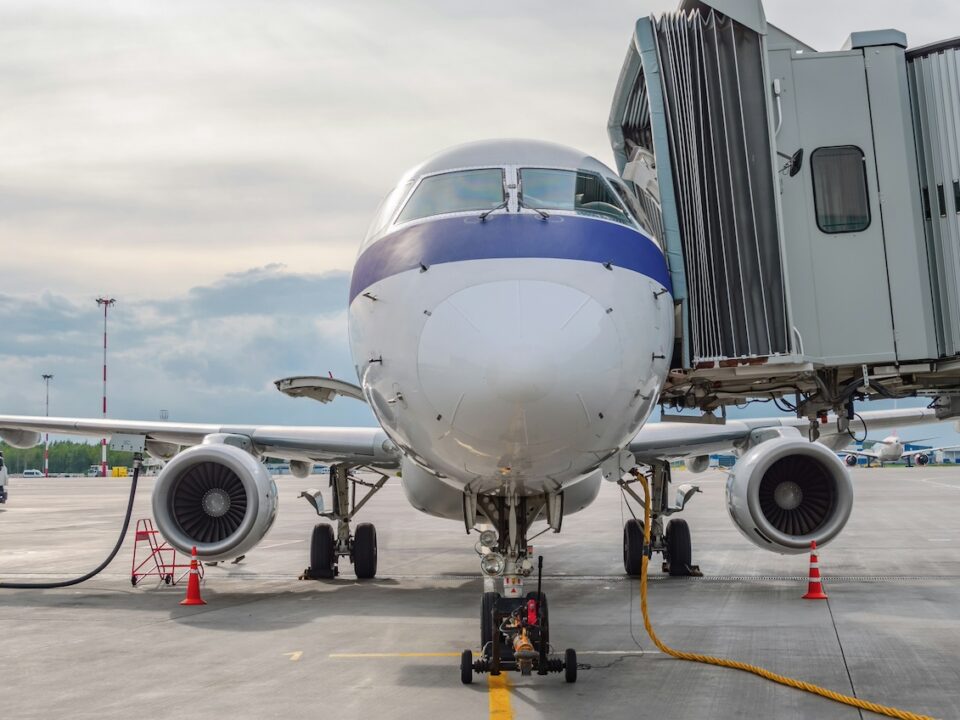
Though a Ngurah Rai International Airport Bali airport spokesperson initially said its airspace remained clear, four domestic routes were cancelled, as well as over two dozen flights between Bali and Australia, Singapore and South Korea, while numerous others were delayed. The airports in Maumere and Larantuka in East Nusa Tenggara province remain shut through Tuesday.
Geology Agency head, Muhammad Wafid, explained: “An eruption of that size certainly carries a higher potential for danger, including its impact on aviation.” Airlines have apologised for the impact on customers whom they said they would contact directly in case of an issue with their flight. Indonesia AirAsia, Jetstar, Qantas, and Virgin Australia are among the worst affected carriers.
At least 24 flights to and from the Indonesian resort island of Bali were cancelled after an eruption of the Mount Lewotobi Laki-laki volcano belched volcanic ash 11 miles into the sky, officials said https://t.co/0tW4T9Z50F pic.twitter.com/8dxQthq9td
— Reuters (@Reuters) July 7, 2025
10,000 people in hard-to-breathe zone
Wafid also told the Associated Press officials would likely need to reconsider safety measures in the volcano’s area and “reevaluate to enlarge its danger zone that must be cleared of villagers and tourist activities.” Around 10,000 people are thought to be in harm’s way. Locals have reported painful breathing due to sulphur and ash in the air. They have been told to shelter indoors.
Indonesia is no stranger to active volcanoes, earthquakes and other seismic activity, located on some of the most notorious seismic zones in the world, such as the Pacific Ring of Fire and the Alpide Belt. Mount Lewotobi Laki Laki has notched up 427 eruptions this year.
Flights cancelled as Mount #Lewotobi Laki-Laki volcano erupts in Bali, #Indonesia sending lava and ash 4 km into the air
— Earth42morrow (@Earth42morrow) July 8, 2025
VC: FPMKI#Bali #Volcano #Asia #Eruption #EastFlores #NusaTenggara #Eruption #Viral pic.twitter.com/Y7a3Vq2phj
Travel advisories and insurance
Authorities elsewhere are warning tourists of the risks involved travelling to volcanic regions. The UK’s Foreign, Commonwealth and Development Office (FCDO) does not include any remarks about the recent seismic activity, but it Mount Lewotobi Laki-Laki features first on a list of six volcanoes to which the British government advises against all travel. The others are:
- Mount Sinabung, North Sumatra to within 5km of the crater
- Mount Marapi, West Sumatra to within 3km of the crater
- Mount Semeru, East Java to within 5km of the crater and to within 500m from any riverbank of the Besuk Kobokan river for 13km from the crater
- Mount Ruang, Northern Sulawesi to within 7km of the crater
- Mount Ibu, North Maluku Province to within 7km of the crater
The advice against travel means insurance companies could refuse to pay out for disrupted or cancelled journeys and holidays. Airlines and tour operators are responsible for reasonable costs and should offer alternative flights and emergency accommodation.