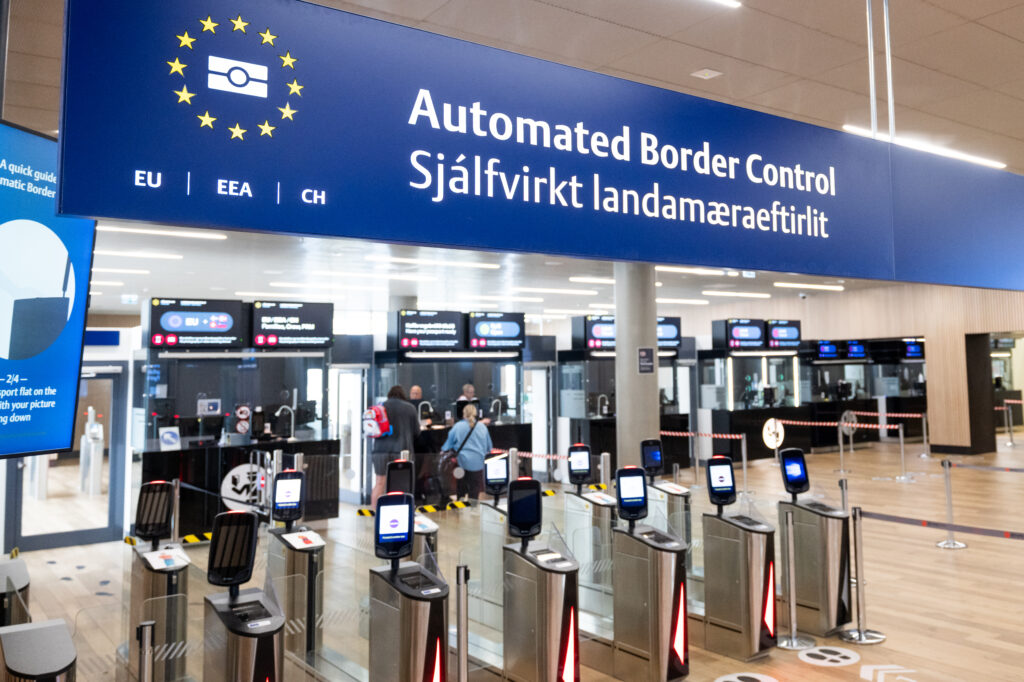
Travel to the 2026 Winter Olympics in Italy has already been affected by early February strikes among train workers in the Lombardy and Milan regions. The Milano-Cortina Winter Games are due to start on Friday, 6 February 2026.
So far, one day’s industrial action confirmed by Italian railway operator Trenord would impact train services subject to strikes between 3 am on 2 February and 2 am on 3 February 2026. Regional, suburban, long-distance, and airport routes to Malpensa Airport could all “experience changes or cancellations,” Trenord said.
The ORSA Ferrovie union strikes come just as Milan is welcoming high arrival volumes, as athletes, delegates, and media descend on the city ready for the Games, which are set to embrace 116 events across eight sports and 16 different disciplines. Amid the ongoing dispute over pay, working conditions, safety issues, and contract renewals, there are fears for whether unionised staff will continue to provide the “extended hours and increased frequency” or respect the “guaranteed” timetable supposed to run during the Games in the early morning and evening.
SCIOPERO
— Trenord (@OfficialTrenord) January 30, 2026
🔵 Dalle ore 03:00 del 2 febbraio
alle ore 02:00 del 3 febbraio
Il sindacato ORSA ha proclamato uno sciopero che potrà generare ripercussioni al servizio Regionale, Suburbano,…
The Games’ official website says public transport options should include “trains, metro and local services,” but that replacement buses would serve the airport during the strikes.
The replacement buses are reportedly the result of a test event in February 2025 that revealed how dependent mobility in Milan is on its metro, bus, and tram systems, when workers went on strike. Milan-Cortina CEO Andrea Varnier said, “It was interesting to have a test like that and have to come up with an emergency plan,” but added: “We’re hoping that there’s goodwill between everyone involved during the games so that there are no strikes.”
However, the strikes are not the only problem attendees and competitors at the Games face. There have been questions over whether cable cars will be ready in time to ferry spectators to the women’s Olympic Alpine skiing events on the Tofane, leading organisers to request temporary school closures in Cortina to ease the strain on local transport.
In addition, some of the 6,000 residents of the host town, Cortina, have complained that the Games threaten to overwhelm the place with noise and pollution. The Games are expected to bring morethan 9 million additional tourists to the area between 2027 and 2030, with locals saying the types of tourists attracted know “nothing about the mountains” and arrive by car, park indiscriminately, taking photos and bringing “only noise, traffic and aggression.”