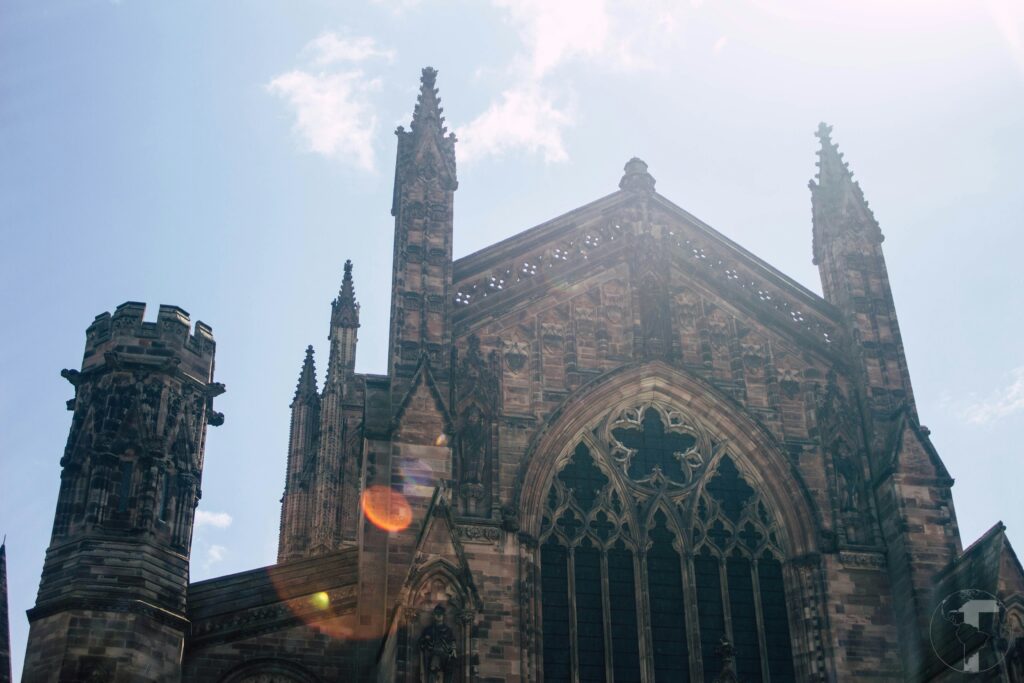
Say ‘Harlem’ and most people instantly think about the famous neighbourhood in New York City, known for its mobsters and globetrotting basketballers. That’s a pity because the original ‘Haarlem’ is a Golden Age masterpiece in its own right.
Just a short train (or energetic bike) ride from Amsterdam, and you enter the altogether more refined vibe of Haarlem – a canal-lined city of around 169,000. Despite its proximity to top European travel destinations like the Keukenhof tulip fields, Haarlem retains an authentic and unflustered character, richly storied without being overwhelmed by tourism. It impresses through its intimacy, heritage, and proximity.
Exploring Holland, a tourism site, places Haarlem high on its ‘hidden gems’ list: “Often overshadowed by its larger neighbour, Haarlem has a unique character, with its beautiful canals, medieval architecture, and vibrant cultural scene.” But it was not always the bridesmaid.
The city was once one of the most important centres of trade and art in the Netherlands, with famous sons (and daughters) including 16th and 17th-century painters, Frans Hals, Judith Leyster, and Jacob van Ruisdael. Today, it offers a “perfect blend of old-world charm and modern amenities, making it an ideal destination for visitors looking to explore a lesser-known Dutch treasure”, according to Exploring Holland.
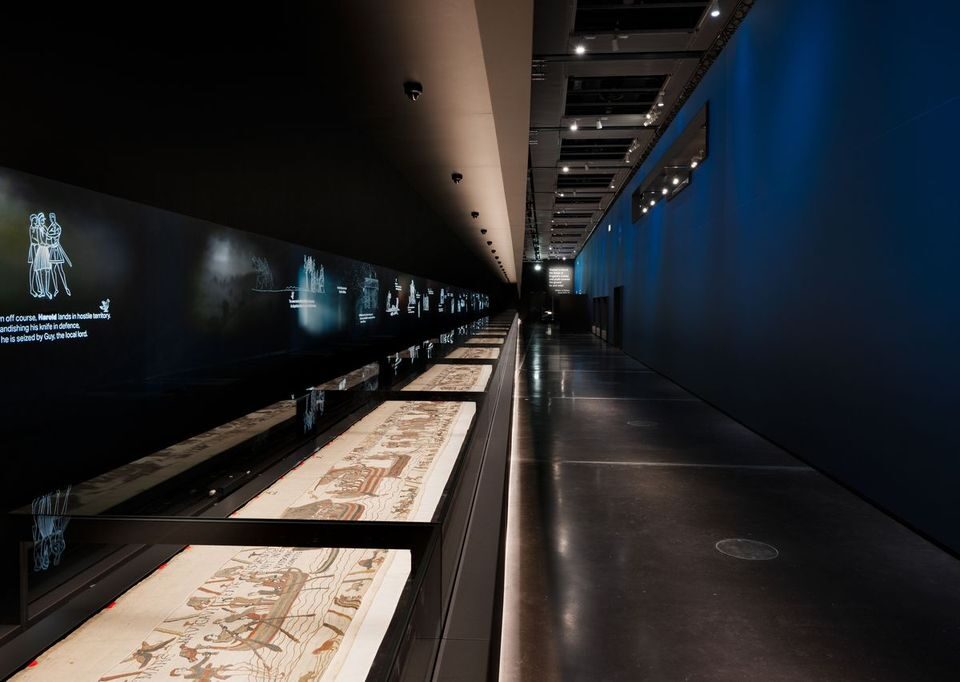
Staff at the Haarlem Tourist Office (VVV) more cheekily refer to their city as Amsterdam’s more discreet and “wise little sister”. Their insider tips help to make a one, two, or three-day trip to the North Holland region worthwhile. Popular sites are the Grote Markt, St Bavo Church, Frans Hals Museum, Teylers Museum, and Corrie ten Boom House, while the Museum of Applied European Art (MUTEK) is a lesser-known treat tucked into Haarlem’s Art Deco central train station. It’s a unique experience, the staff point out, because you have to check in through the station turnstiles, and “tap out again like you’re on a journey”.
The Museumhouse Barnaart is another recommended stop, especially for architecture-lovers. At just 21 years old, Philip Barnaart commissioned Abraham van der Hart to design this remarkable reception house along the Haarlem canal. “The result is an almost ‘un-Dutch’ city palace with the best-preserved Empire-style interior in the Netherlands,” notes the museum brochure.
A third gem is the Museum of the Mind, somewhat appropriately located in a former hospital where psychiatric patients had been treated since the 16th century. The central theme of the content delves into what makes us tick.
Dutch-American cousins
To understand Haarlem’s layered identity, it helps to look back to the 17th century, when Dutch settlers crossed the Atlantic and established the colony of New Amsterdam on Manhattan Island. As they built new towns and neighbourhoods, using names and places of the past, it lent familiarity to a strange New World. Initially keeping its double-vowel, the spelling under English rule eventually morphed (as language does) into the simpler ‘Harlem’.
Today, the district is known for everything from jazz to basketball to civil rights history. But less is made or perhaps known of Harlem’s origin story, all starting with adventurous immigrants from a medieval port town some 6,000 km away. A fascinating thread in the story of transatlantic passage.
From port to portraiture
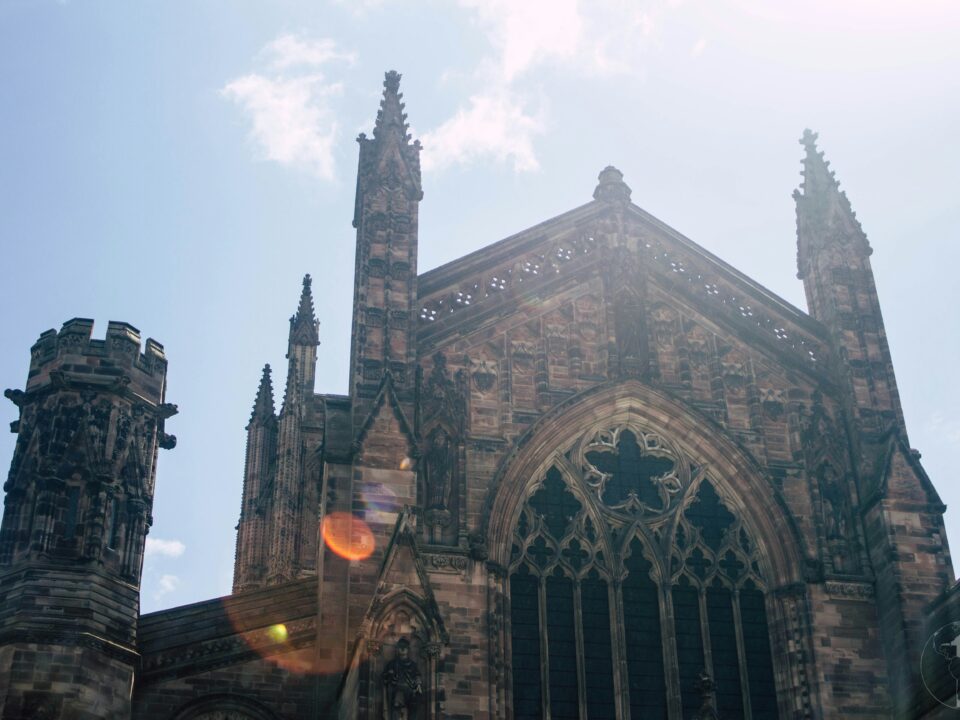
Overlooking the main market square is the Great Church of St Bavo – a Roman Catholic missionary from Ghent who died in 659 AD – built in stages between 1370 and 1538. Following the Reformation, St Bavo’s was converted to a Protestant church. Visitors today marvel at the church organ completed in 1738 by Christian Müller. It’s 5,000 gleaming silver and bronze pipes that cover almost the whole west wall. Mozart famously played the organ in 1766, aged just ten at the time. Handel also travelled to Haarlem twice (1740 and 1750) to take advantage of the organ’s vast range (68 registers) and sublime acoustics.
Annexed to the church is De Vishal (Fish Hall), which houses temporary exhibitions and events. Fanning out from the main square, you find a series of compact laneways with terraced cottages, upmarket shops, cosy cafés, and the museum district.
The Frans Hals Museum provides a tranquil setting to appreciate the Dutch artist’s finest works – a unique window into the Golden Age of Haarlem and the Netherlands. His portraits capture their subjects with what experts have called “immediacy and naturalism”, radiating personality in an unusually modern way for that time and the conventions of the era.
The scale of the Corrie ten Boom House favours intimate reflection, a living testimony of the Christian family who lived there during the Nazi occupation. The Ten Booms used their modest home to shelter hundreds of Jews and members of the resistance. Guided tours recount their sacrifices and the tragic consequences of their defiance – only Corrie Ten Boom survived.
Between city and sea: cycling the high dunes
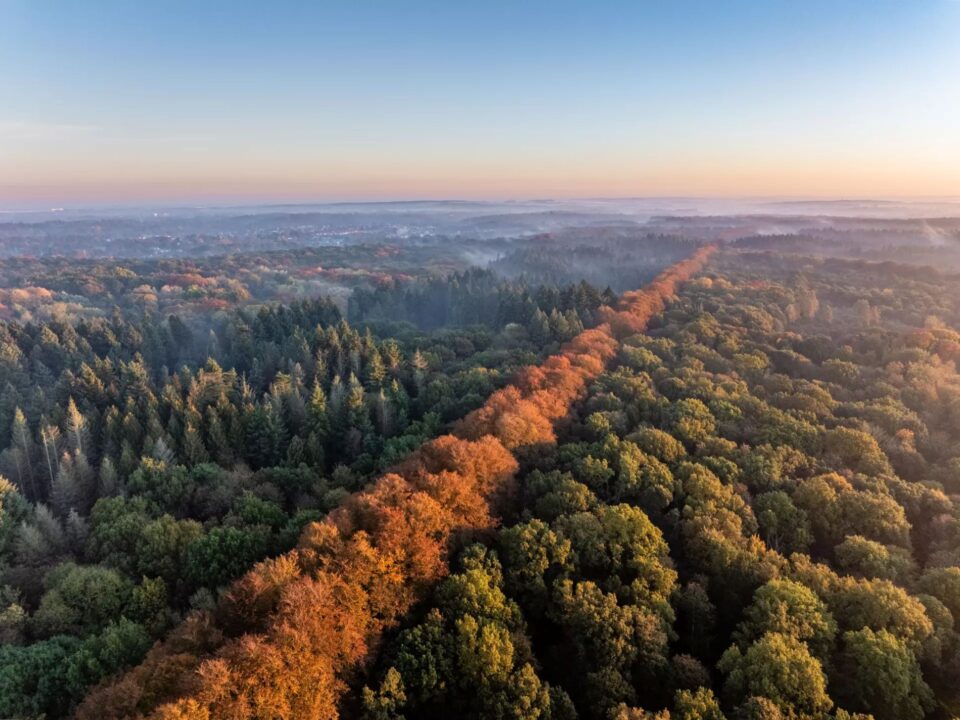
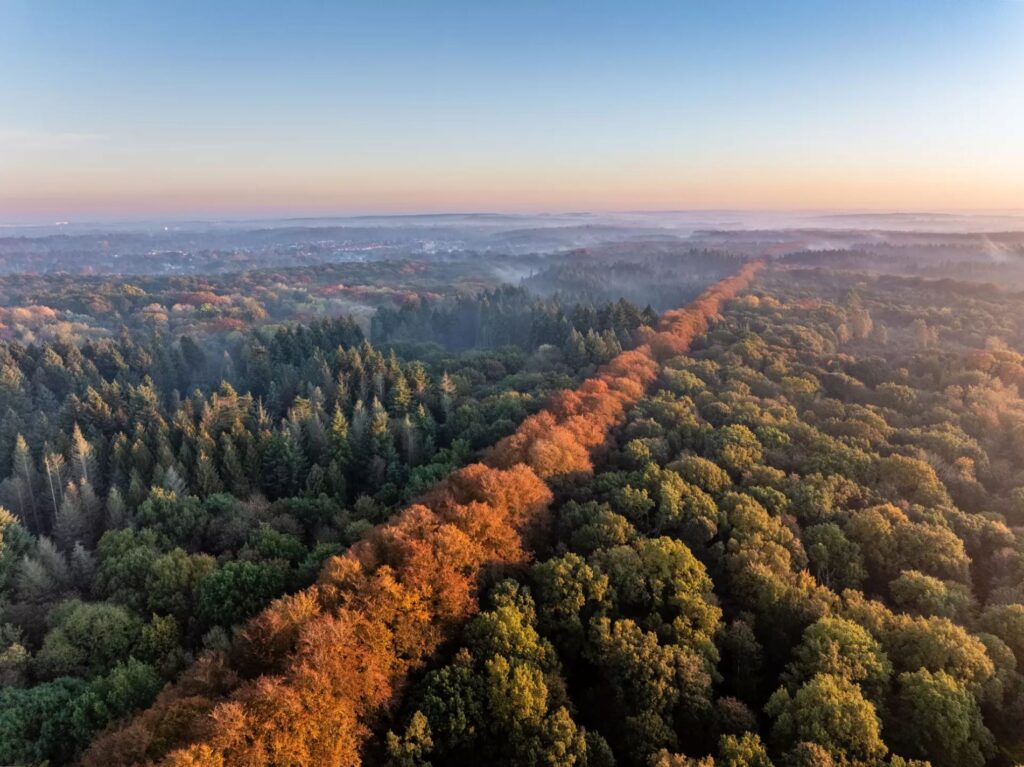
A short ride west of Haarlem, the urban landscape gives way to one of the Netherlands’ most striking coastal areas: the Zuid-Kennemerland National Park. This protected landscape of rolling hoge duinen (high dunes), sandy valleys, pine forest, and open meadows is home to roaming highland cattle, Konik horses (a compact, powerful Polish breed), and diverse bird species.
Unavoidably, pockets of industry line the Spaarne river and canal system joining Haarlem and Amsterdam, but the route north along the coast is largely one of woodland and undulating sandscapes, punctuated by a fun cable-ferry crossing at Velsen, and historical sites like the Ruïne van Brederode. The remains of this 13th-century castle, with its ivy-covered walls and weathered stone towers, offer a dramatic reminder of the area’s medieval past.
As the dunes flatten and the salty air strengthens, Wijk aan Zee appears – a relaxed, unpretentious beach town with wide tidal beaches and low-key cafés. It’s an ideal endpoint for a ride that showcases the diversity of Haarlem’s surroundings. If you don’t fancy the return trip, an overnight stay at the recently-renovated Strandhotel Het Hoge Duin – straddling the dune with views of the North Sea to the West and the town below – offers a touch of all-season comfort and relaxation.