


Some cities impress at first glance, others stay with you long after you leave. Some cities seem to pull you into a fairytale, captivating with their visuals – ornate architecture, layered history, and streets that feel almost cinematic in their detail. Prague brings all of this together, creating a unique atmosphere in a way that leaves a lasting impression.
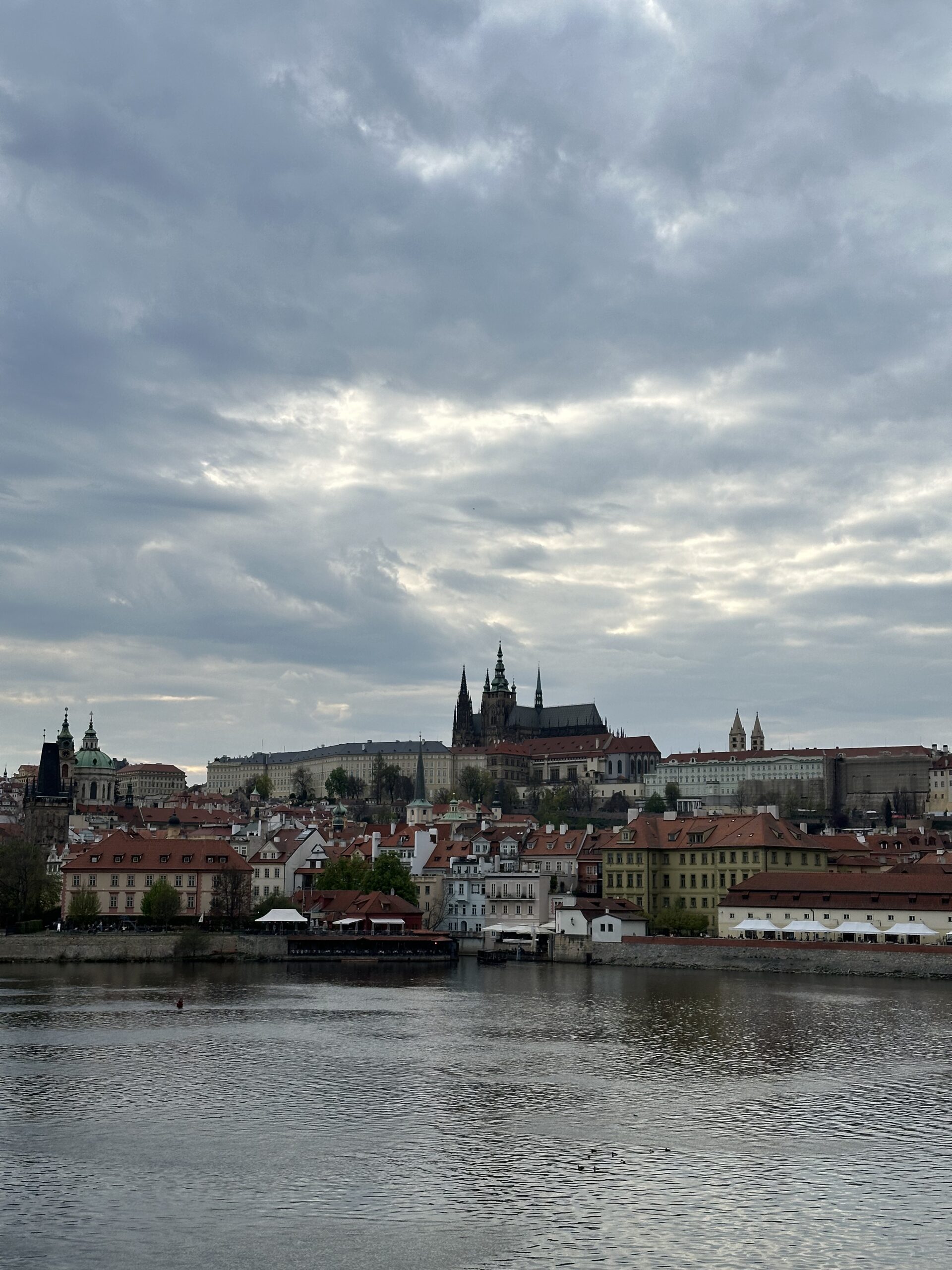
The city ranks among Europe’s most visited cities, attracting millions of visitors each year. Its historic centre stretches along the Vltava River, which runs through the city and connects key landmarks such as the Charles Bridge. Many of its most significant sites sit within walking distance, making it possible to experience a rich cross-section of the city in just a day or two.
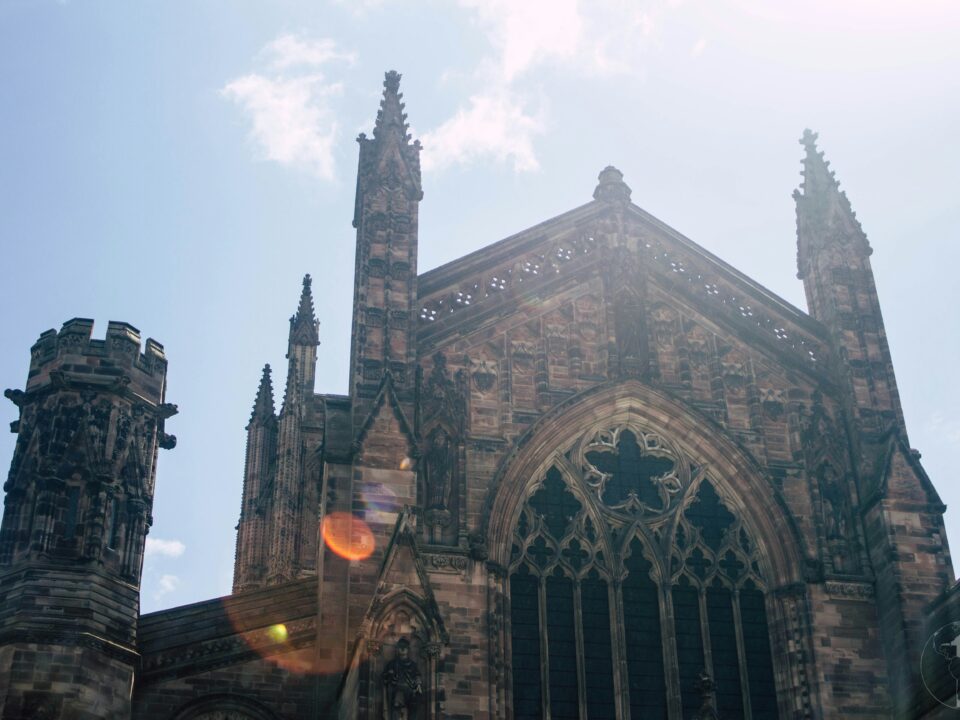
Often described as a “city of a hundred spires”, Prague’s skyline is defined by the towers that evoke another century. Here, styles range from Gothic and Baroque to Art Nouveau and Brutalism, blending alongside lively squares and reflecting the city’s layered architectural heritage.
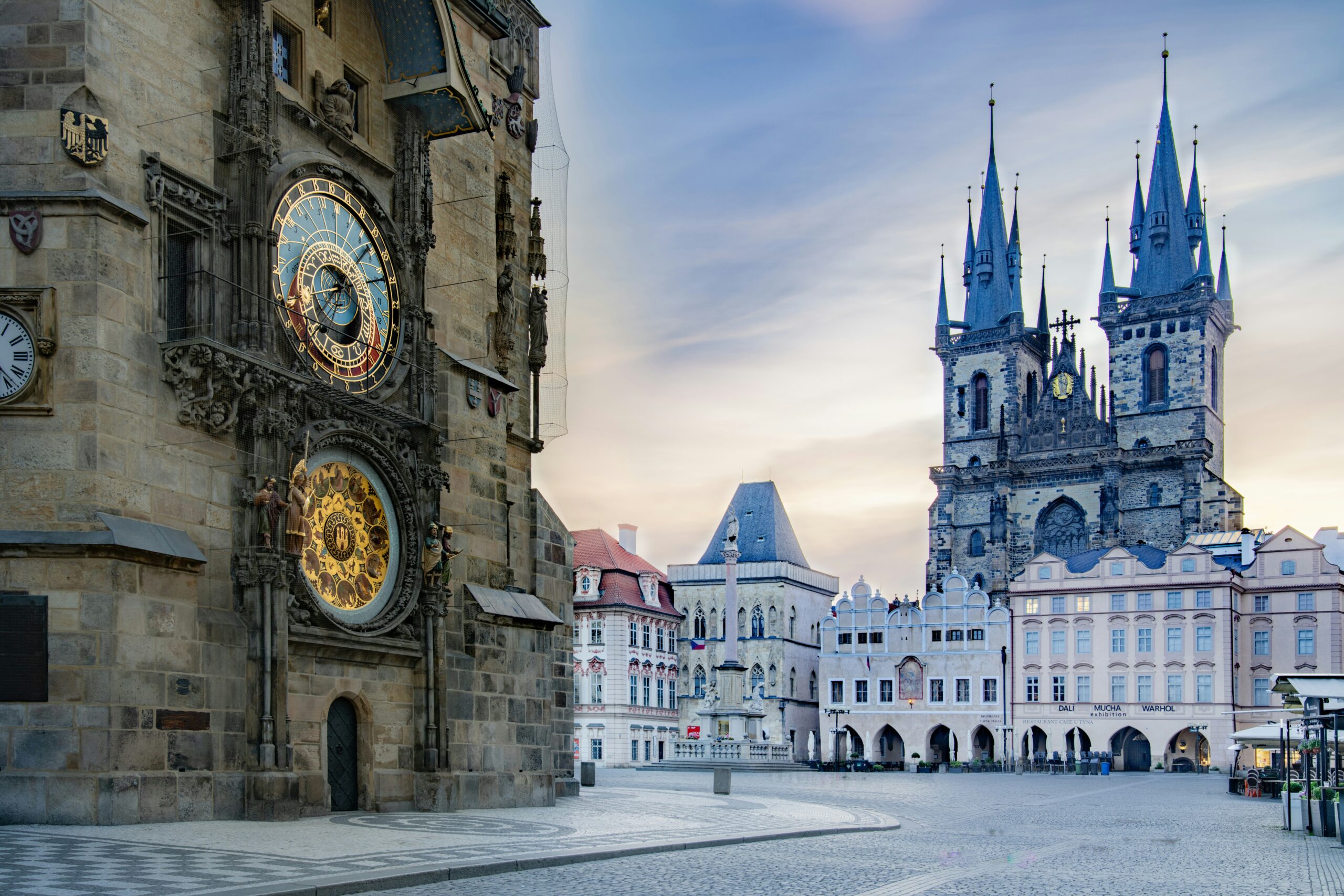
The morning typically begins in the Old Town Square, where visitors gather around the Prague Astronomical Clock. Installed in the early 15th century, the clock remains one of the oldest functioning astronomical clocks in the world and still performs its mechanical show every hour.
The cobbled square unfolds with a layered architectural panorama, from Gothic towers to Baroque facades, anchored by the imposing Church of Our Lady before Týn and the Jan Hus Memorial, a massive Art Nouveau monument, representing a national symbol of Protestant reform and resistance to corruption in the Catholic Church. The memorial, created by Ladislav Šaloun and unveiled in 1915, includes phrases such as “Milujte se, pravdy každému přejte”, which means: “Love one another, wish the truth to everyone” and “Pravda vítězí” — “Truth Prevails”.
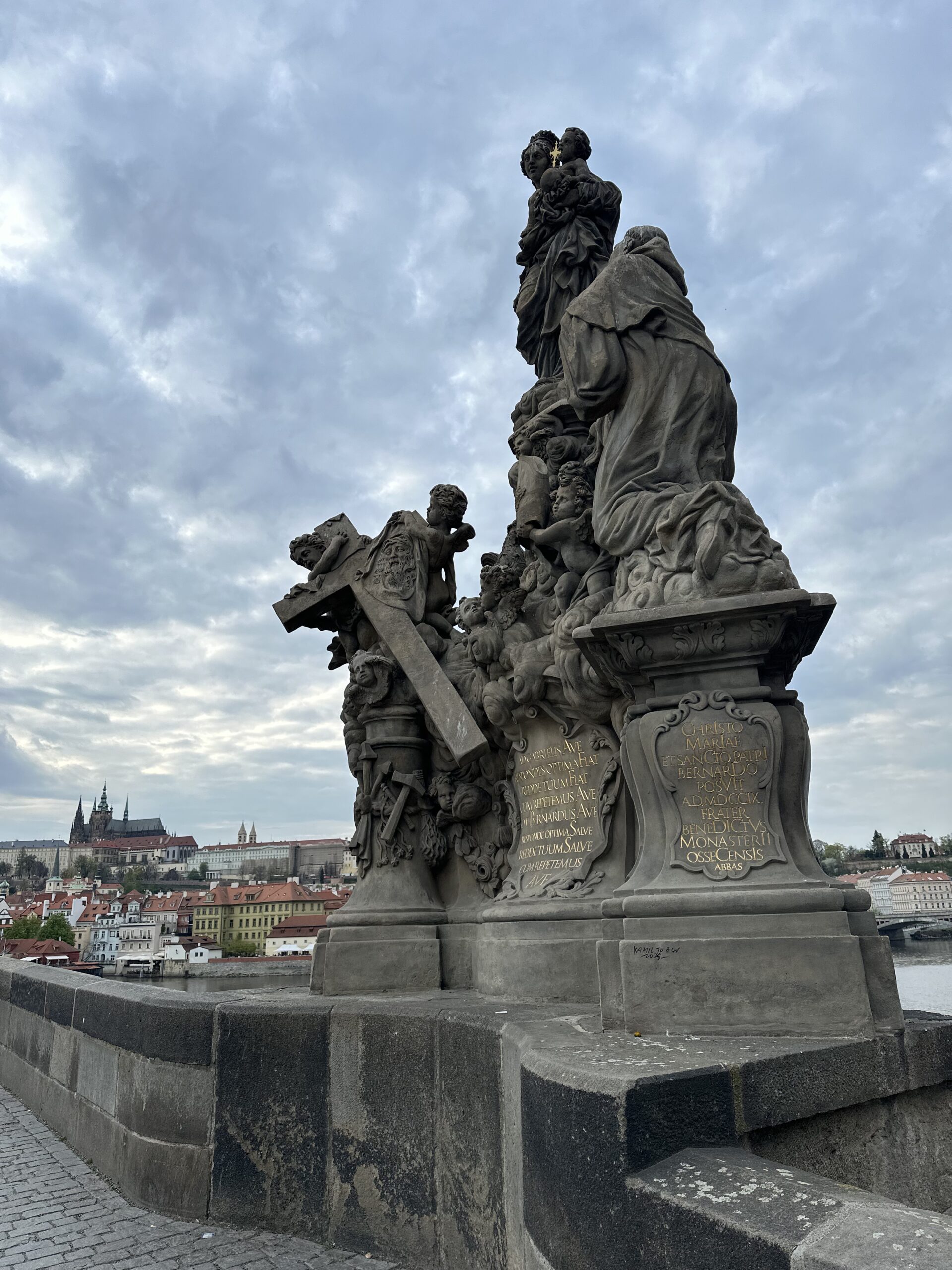
A short walk away, the historic Charles Bridge spans the river, connecting the Old Town with Malá Strana, or the Lesser Town. Built in the 14th century under the reign of Charles IV, the bridge is lined with statues of saints and offers one of the most recognisable views in Central Europe. Street musicians and artists add to the atmosphere, while the city views remain a defining highlight.
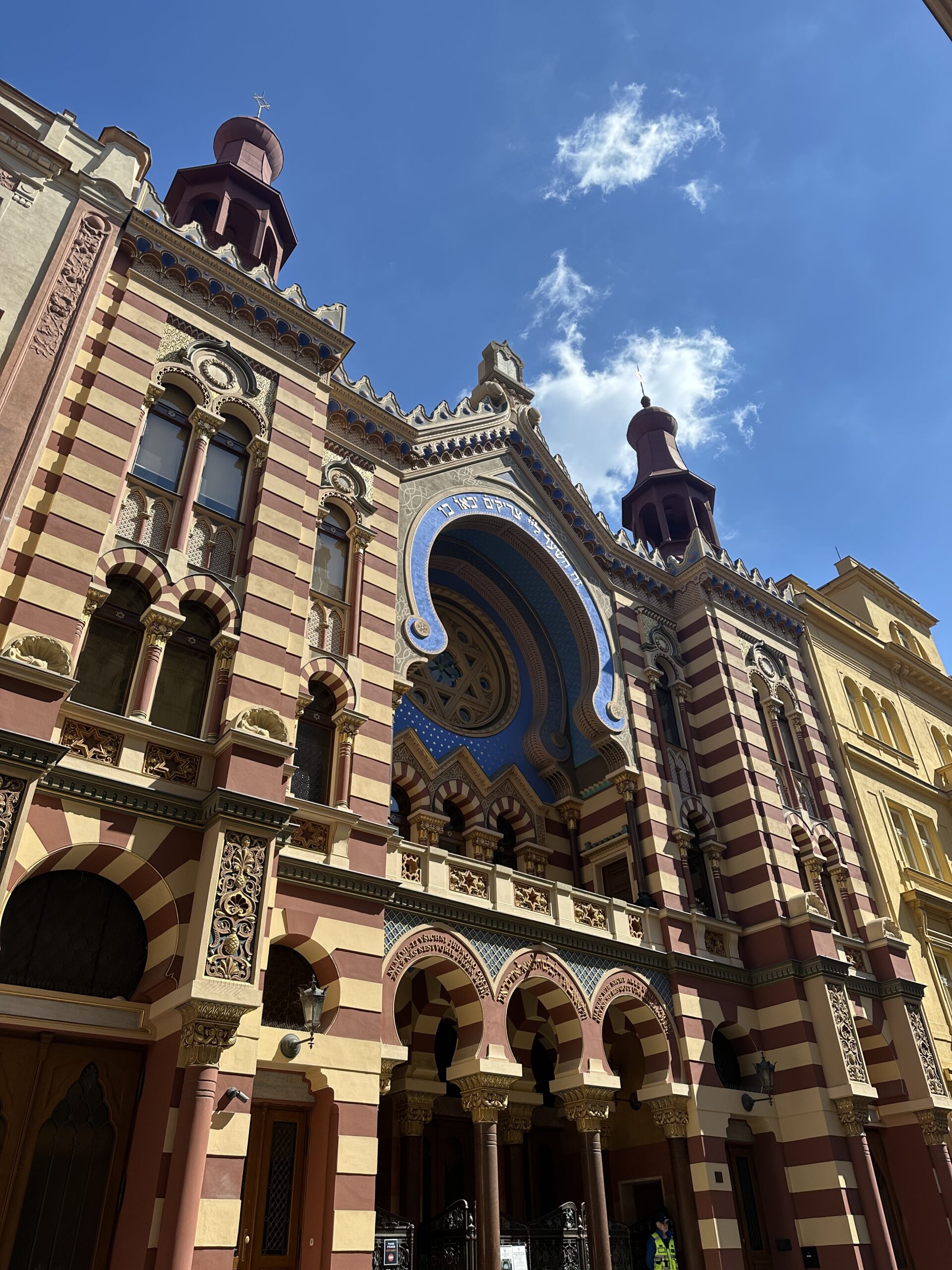
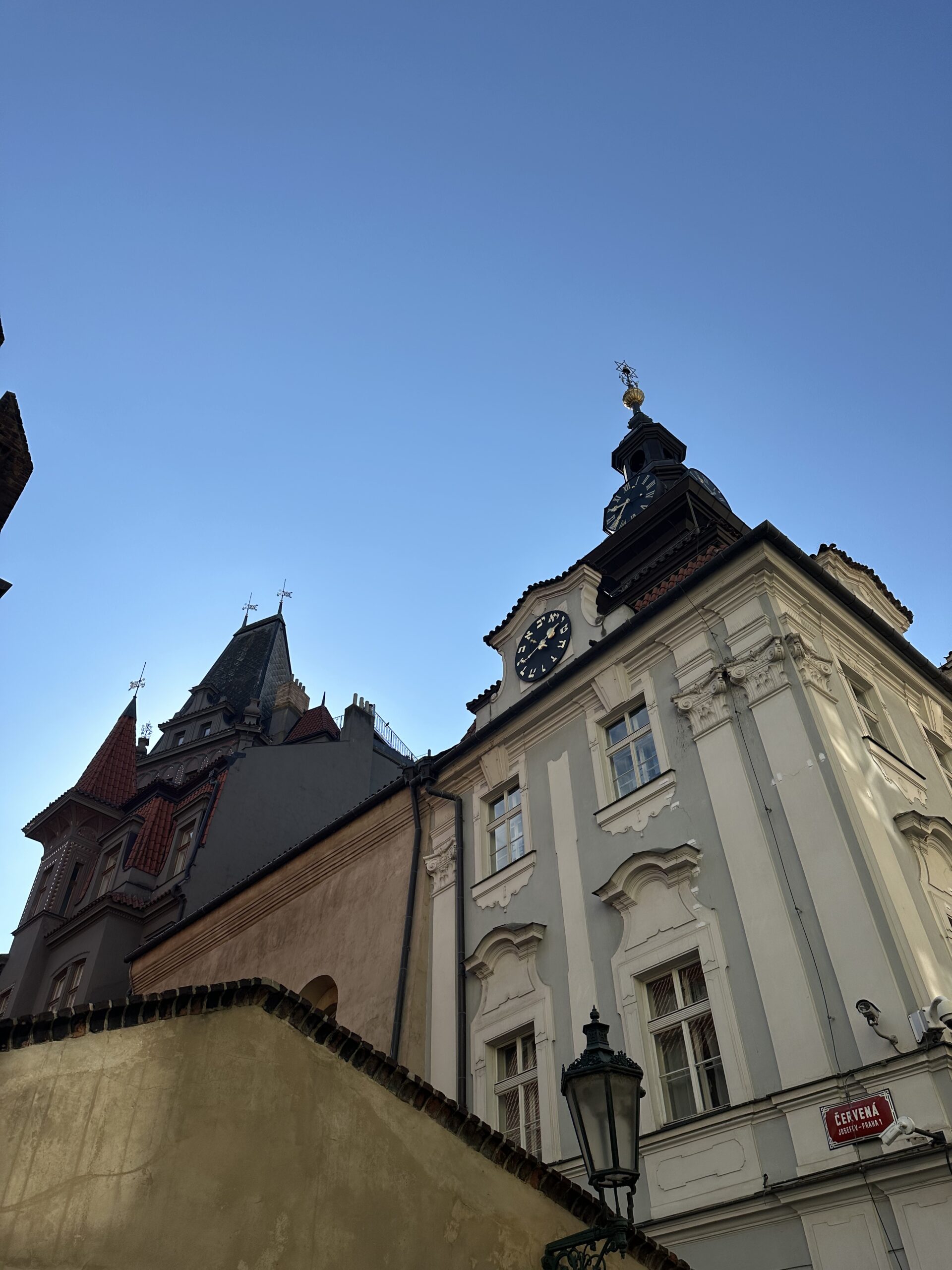
The afternoon offers opportunities to explore beyond the main landmarks. A walk through the Jewish Quarter, known as Josefov, introduces visitors to a different layer of Prague’s history. Sites such as the Old Jewish Cemetery and several preserved synagogues reflect centuries of Jewish heritage in the city. The area remains one of the most historically significant Jewish sites in Europe, attracting tourists, scholars, poets and writers.
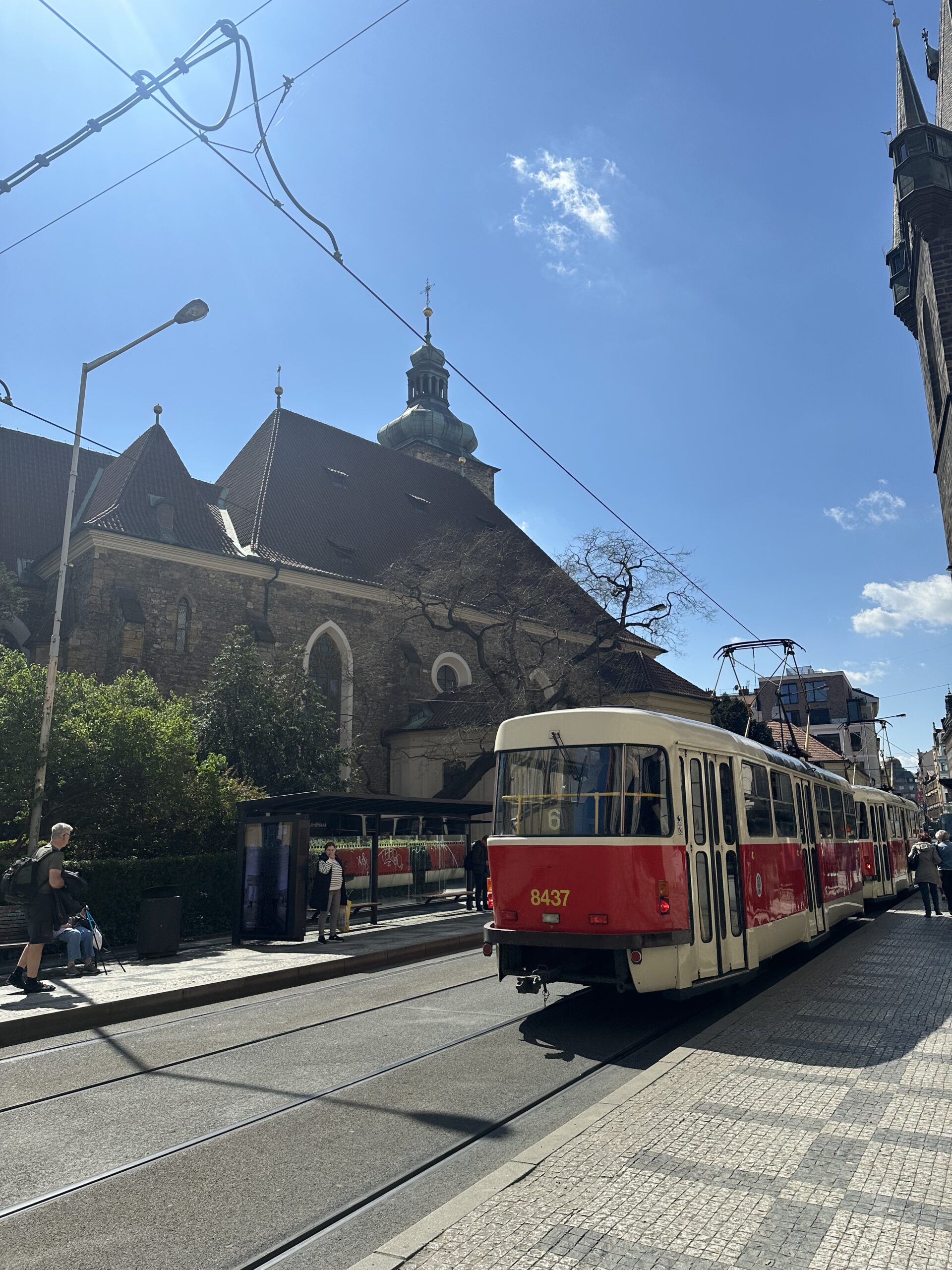
A walking trip can be replaced by a ride aboard the vintage tram No. 42, which operates along scenic routes that pass many of Prague’s key landmarks, offering a nostalgic journey through the city. It provides visitors with a unique way to experience the capital’s architecture and atmosphere from a new retro perspective.
As evening falls, Prague’s magical atmosphere unfolds on a full scale. As city lights reflect on the Vltava River, boat cruises offer views of illuminated landmarks, including Charles Bridge and Prague Castle. The night out can be further defined by classical music concerts in historic churches and halls, reflecting Prague’s long-standing musical heritage associated with composers such as Wolfgang Amadeus Mozart, who had a notable connection to the city during his lifetime.
A city that inspires
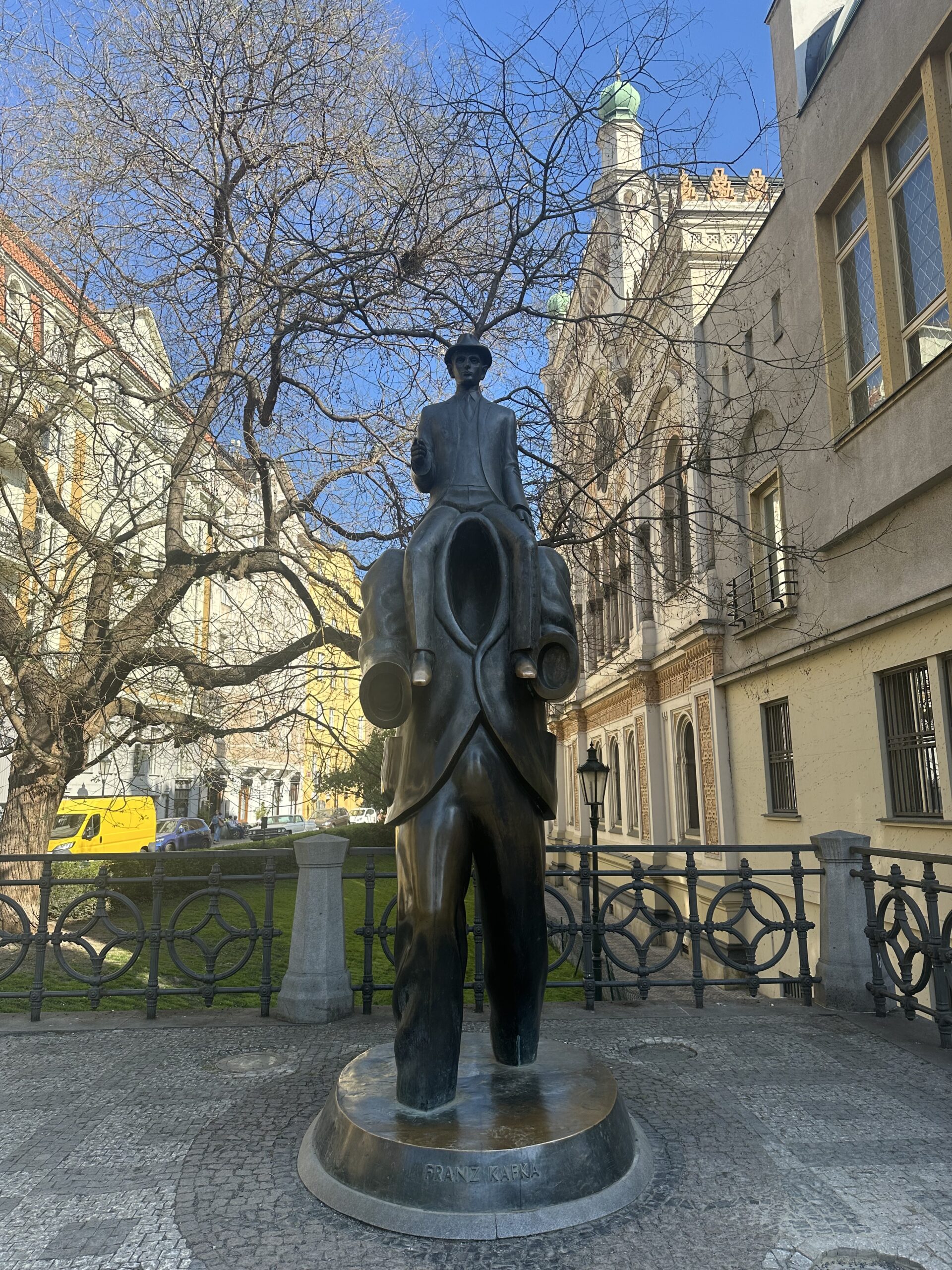
One of the most influential literary figures associated with Prague is Franz Kafka, whose work captures the atmosphere of the city’s old streets, narrow alleys, and underlying existential tension. His former residence at Pařížská 30 – destroyed in 1945 and now the site of the Fairmont Golden Prague – is closely linked to his active writing period. Kafka scholars believe that The Metamorphosis was partly inspired by the apartment he lived in on the fourth floor of that building.
Another prominent author linked to Prague is Dan Brown, who has drawn on the city’s layered history and dramatic architecture in shaping the atmosphere and setting of his new novel, The Secret of Secrets, published on 9 September 2025.
The city’s combination of Gothic architecture, narrow medieval streets, and centuries of political and cultural history provides an iconic backdrop for his trademark blend of symbolism, mystery, and hidden narratives.
Against the backdrop of vast castles, towering churches, and historic Jewish cemeteries, the story unfolds through a landscape shaped by centuries of history and layered cultural memory.
Synopsis:
“Accompanying celebrated academic Katherine Solomon to a lecture she’s been invited to give in Prague, Robert Langdon’s world spirals out of control when she disappears without trace from their hotel room. Far from home and well out of his comfort zone, Langdon must pit his wits against forces unknown to recover the woman he loves.
But Prague is an old and dangerous city. Steeped in folklore and mystery. For over two thousand years, the tides of history have washed back and forth over it, leaving echoes of everything that has gone before. Little does Langdon know that he is being stalked by a spectre from that dark past. He must use all of his arcane knowledge to decipher the world around him – before he too is consumed by the rings of treachery and deception that have swallowed Katherine.”
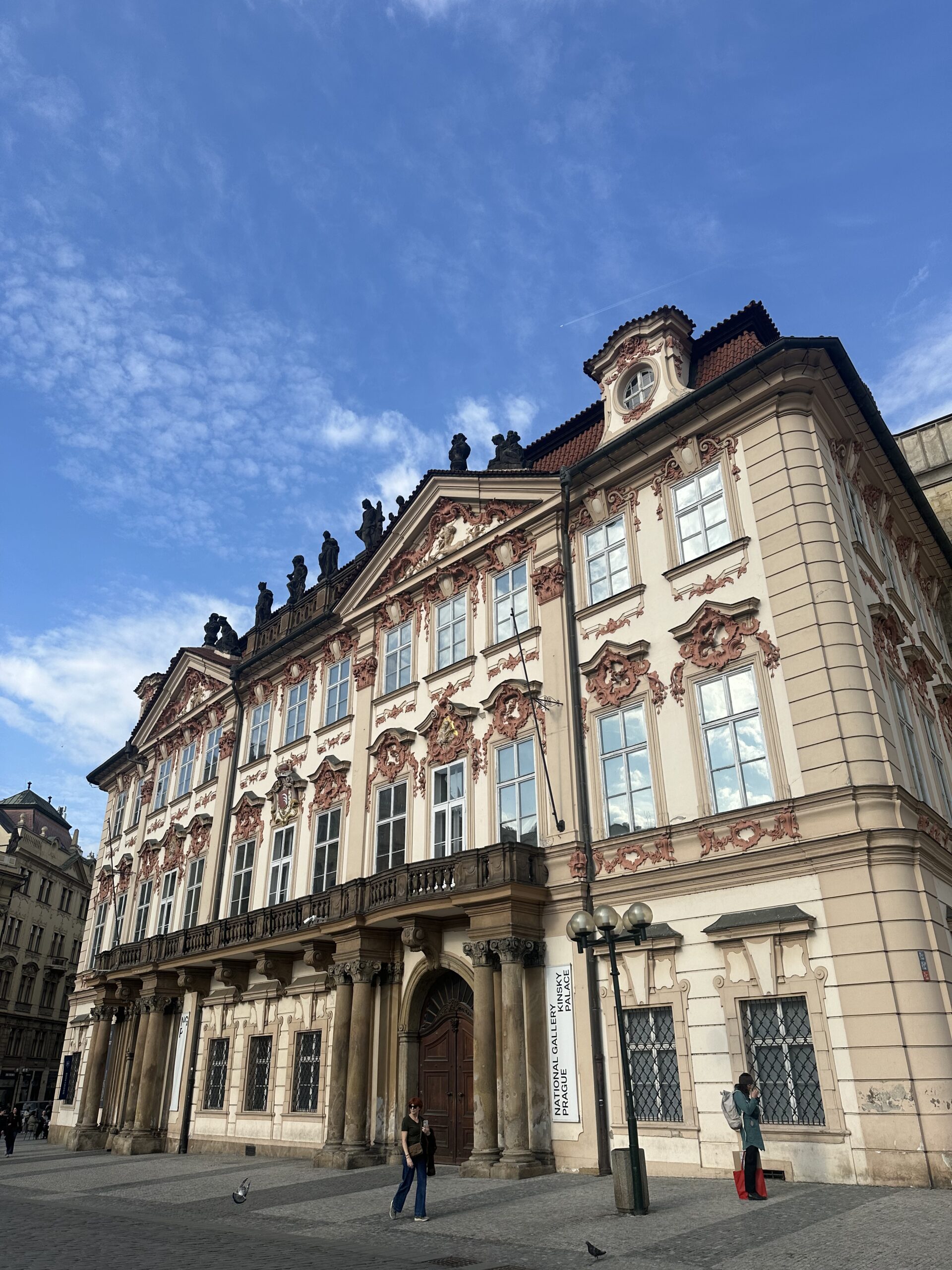
Langdon’s journey takes him through Prague’s historic core, along the Vltava River and across the Charles Bridge, before leading into the Old Town past the magical Astronomical Clock, stopping at the Kinsky Palace, which now houses the National Gallery Prague, and where SPOILER ALERT… (Katherine and Robert kiss).
Central to the plot is the figure of the Golem, a mythical clay creature of Prague folklore, featured as the main antagonist, misleading both the characters and the reader.
Set against a backdrop of churches, courtyards, and historic buildings, the story follows Dan Brown’s intricate train of thought, combining real locations with mysteries and intellectual puzzles. While not every detail is tied to real-world reference, Prague’s layered architectural and cultural landscape provides a perfect canvas for the author’s intriguing narrative.
A different side of Prague
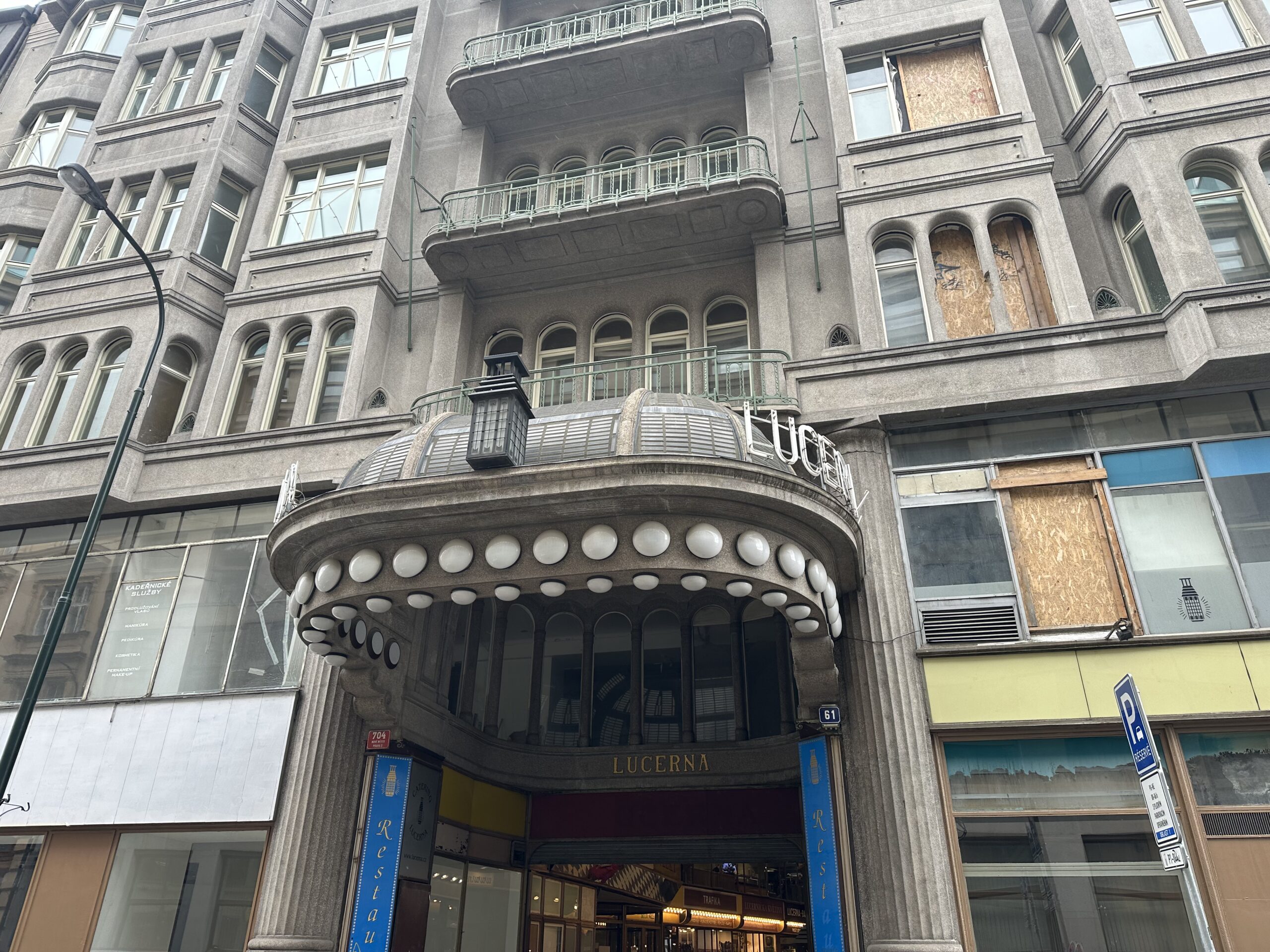
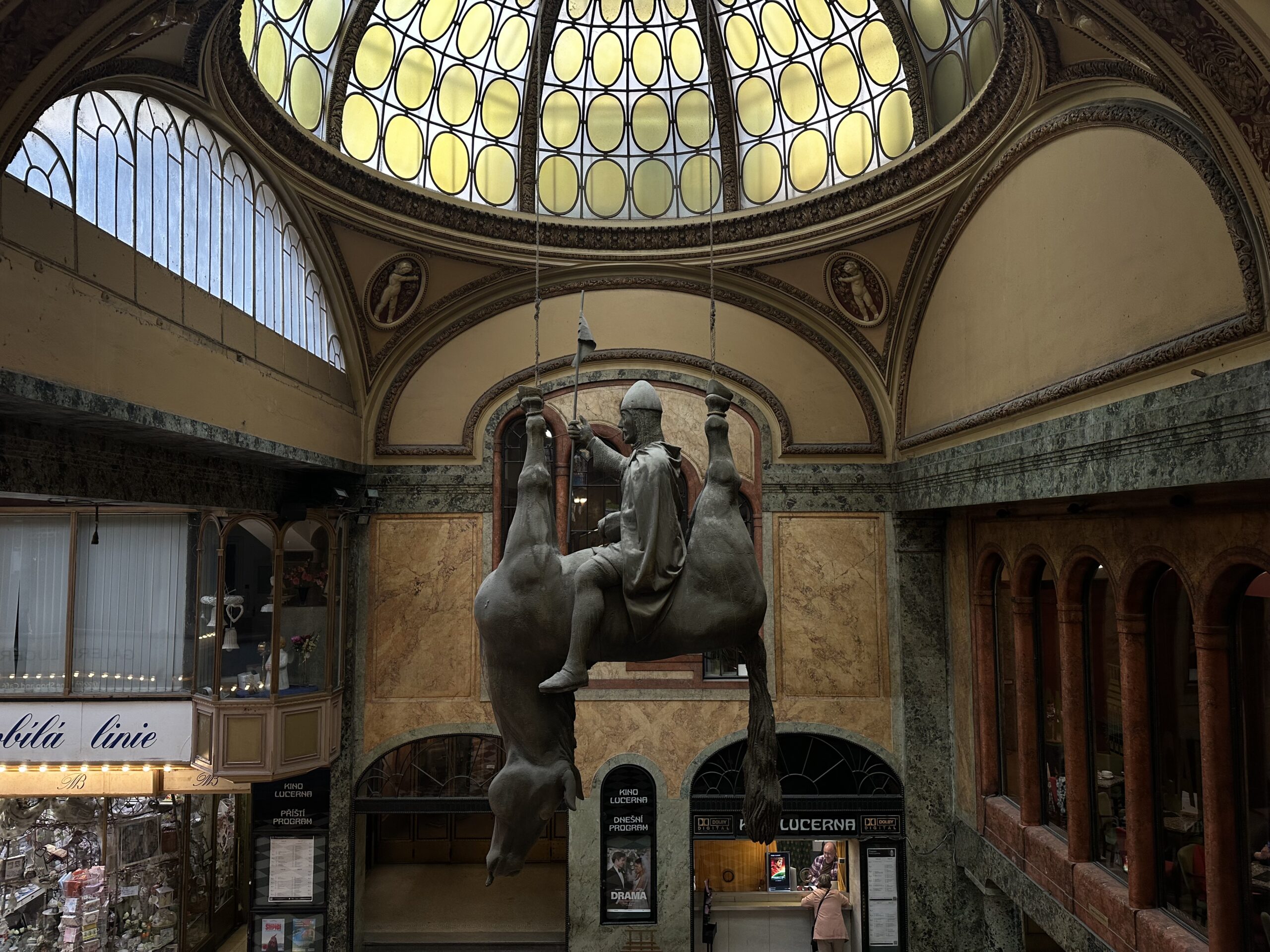
Beyond its historic core, Prague reveals itself as a city of architectural layers, where Art Nouveau elegance, functionalism, and bold Brutalist structures coexist within just a few streets. Around Wenceslas Square, visitors encounter a mix of styles that reflect the capital’s evolution through the 20th century, including landmarks such as Lucerna Palace. From there, routes through the city centre lead to the distinctive House of the Black Madonna, a rare example of Czech Cubism, and the ornate Municipal House, widely regarded as one of the finest Art Nouveau buildings in Central Europe.
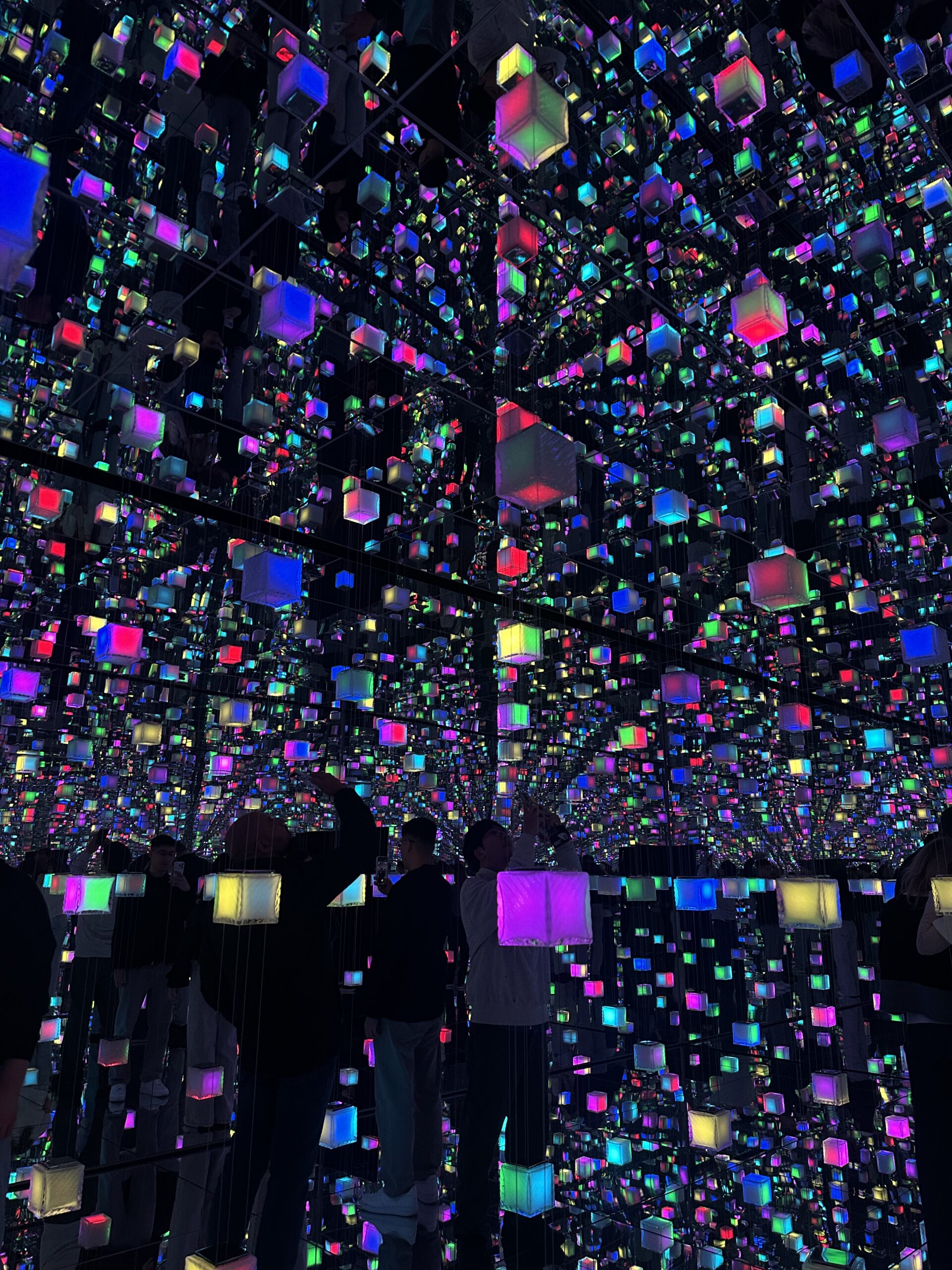
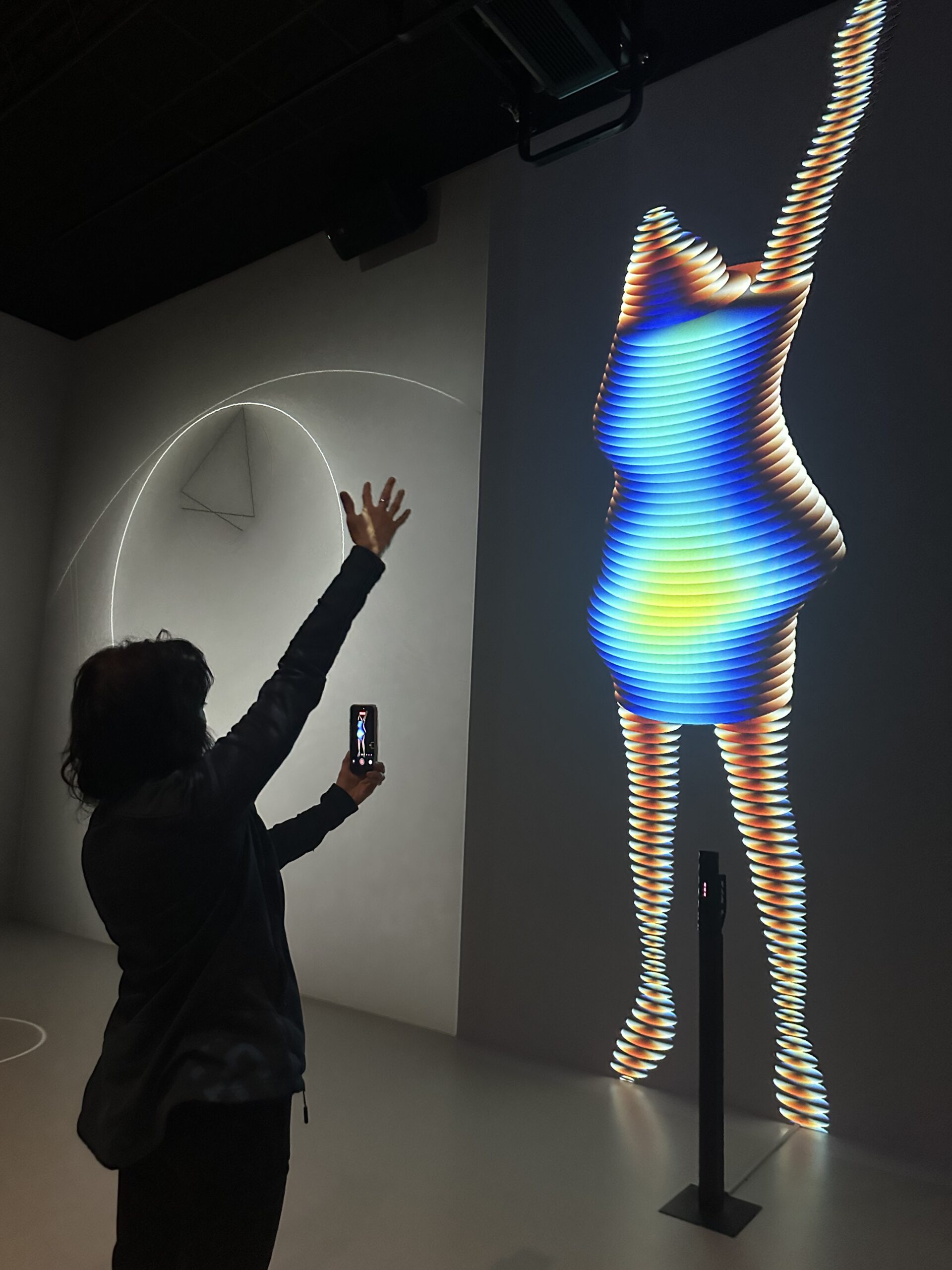
Despite its reputation for historical preservation, Prague has seen steady growth in contemporary art and creative industries, broadening its tourism appeal. The recently opened Signal Space Gallery, located in former market premises, offers a chance to expand your perception. The exhibition focuses on light and digital art, showcasing large-scale installations and interactive works. Reflecting the city’s growing presence in new media and immersive formats, it is positioned as the largest digital art gallery in Czechia. The space captivates with impressive, bold visuals and intricate experiences that make you question physics and even reality.
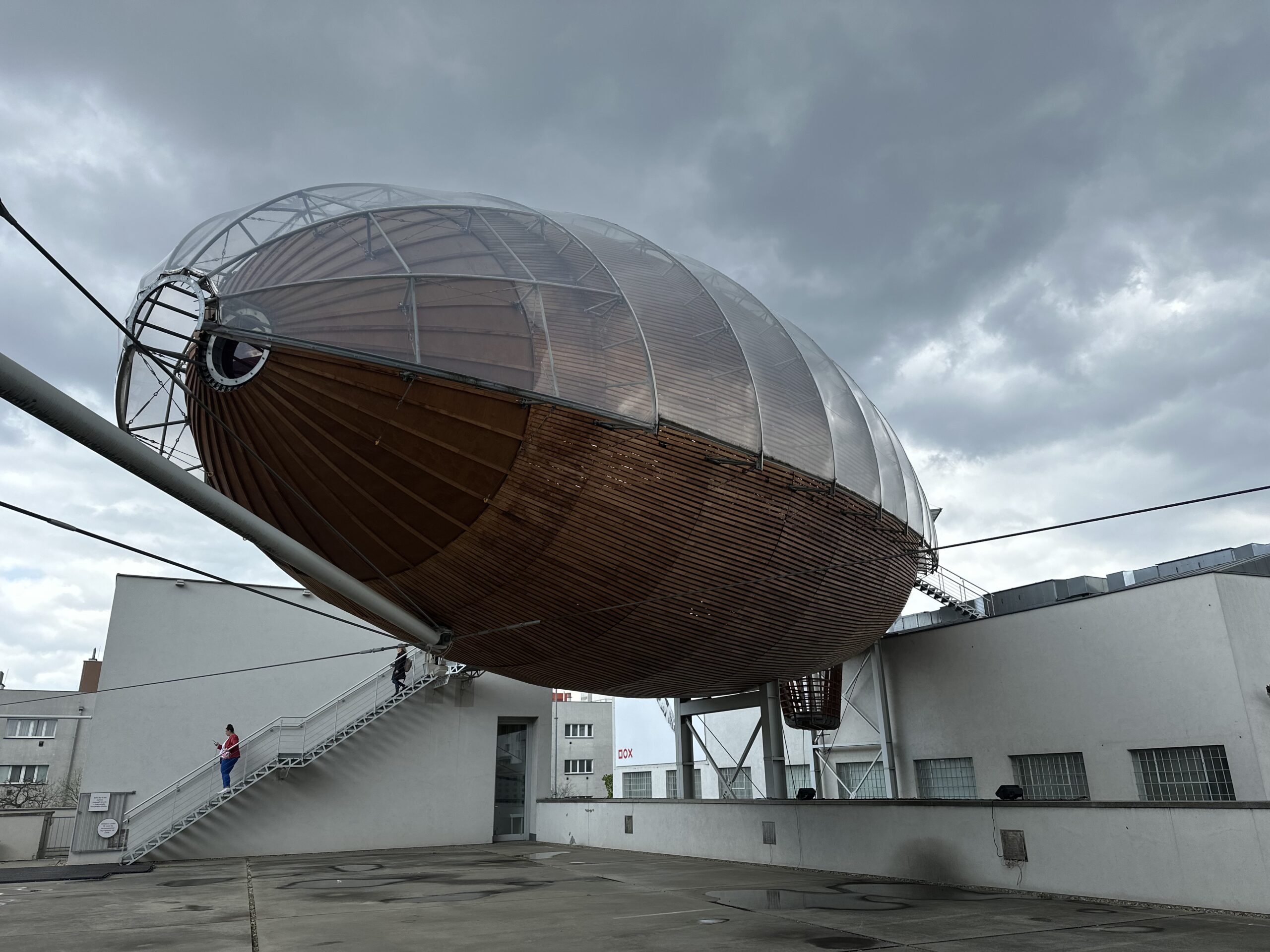
Further north, the district of Holešovice has undergone a transformation from an industrial area into one of the capital’s most active creative hubs. Today, it is home to galleries, studios, cafes, and distinctive examples of contemporary architecture. A key destination here is the DOX Centre for Contemporary Art, known for its experimental exhibitions and the striking rooftop structure known as the Gulliver Airship, which has become a symbol of the district’s cultural transformation.
Evolving tourism landscape
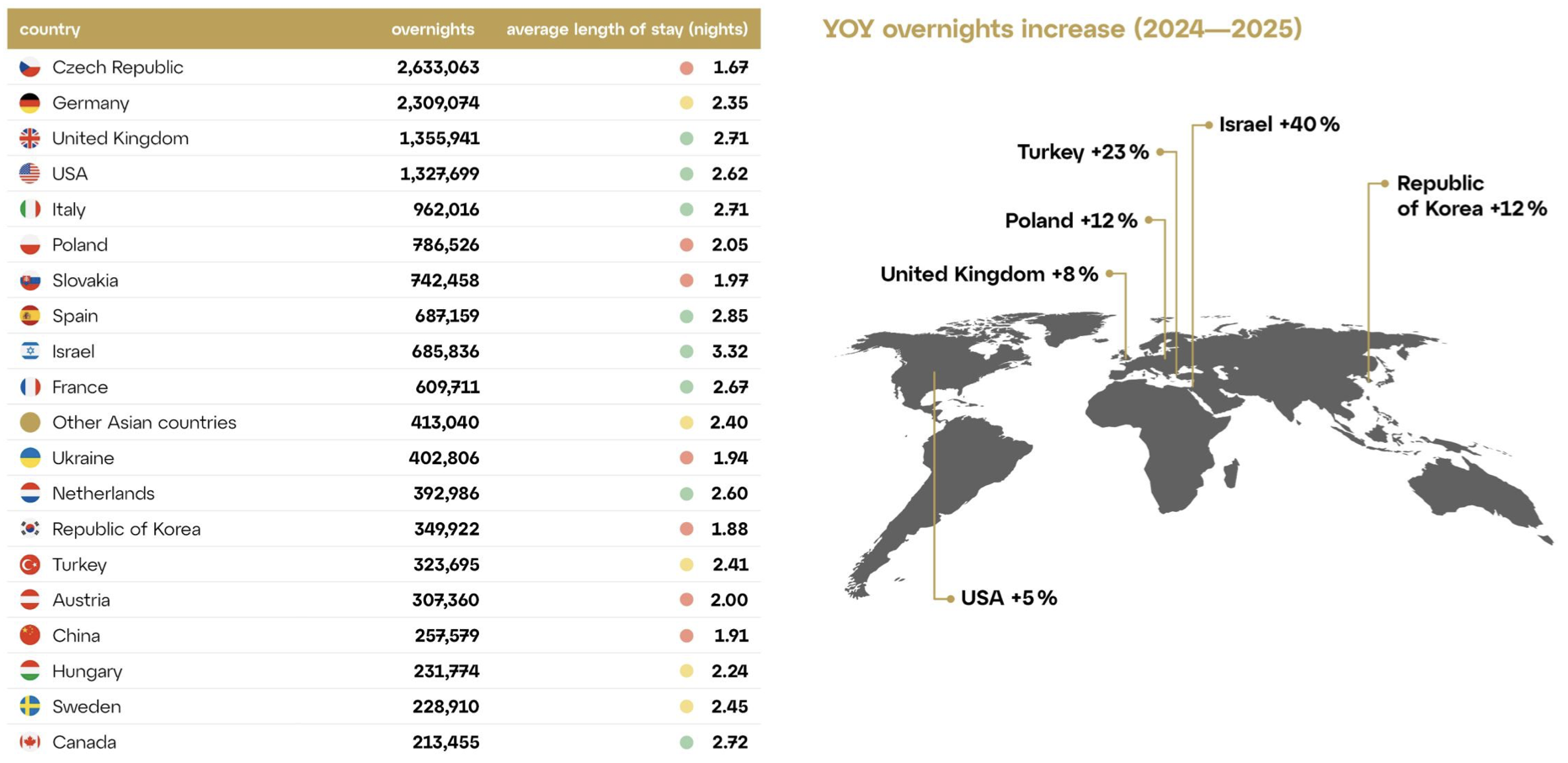
During the Czechia Travel Trade Day 2026, officials announced that Prague recorded 8,271,962 incoming visitors, representing a 2.6% increase compared to 2024, alongside 18,984,282 overnight stays, up 3.9% year on year. The main outside source markets were tourists from Germany, the United Kingdom, and the United States, with peak visits in July, August, and December.
The report highlights tourism as a key sector of the Czech economy, contributing around 2.5% of GDP, equivalent to approximately €8.3 billion. Overall visitor spending in 2024 reached nearly €15 billion, while tourism accounted for 4.28% of total employment, representing more than 233,000 jobs.
Tourism authorities in Prague continue to emphasise sustainable travel and crowd management, particularly in response to high visitor concentrations in the city centre. The Prague Visitor Pass, launched in 2022, forms part of this strategy, offering tourists access to major attractions, public transport, and selected experiences across the city for a fixed price, making it a convenient option for exploring key sights efficiently. It also improves mobility within the capital and helps distribute tourist flows more evenly, easing pressure on the most visited historic areas.
Other efforts include promoting lesser-known regions and cities such as Plzeň, Central Bohemia and Olomouc, as well as encouraging off-peak travel, while maintaining accessibility and ensuring the country remains attractive for short-stay visits.