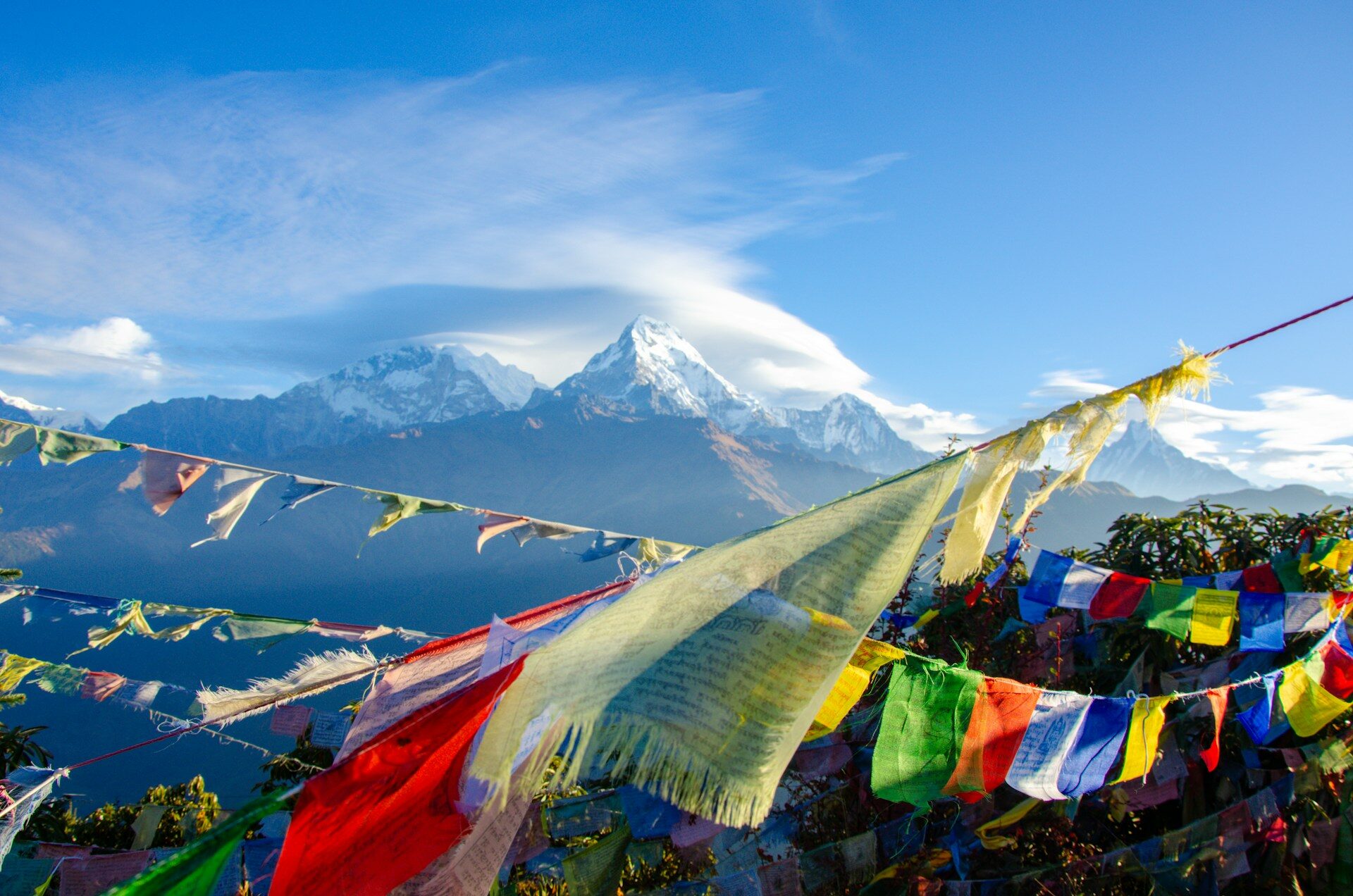


Mount Everest’s climbing season has officially opened despite serious safety concerns around a huge, unstable ice block hanging over one of the mountain’s most dangerous sections. Around 410 climbers and a similar number of Nepali guides are currently at Everest Base Camp, preparing for summit attempts during the short spring climbing window.
The route through the Khumbu Icefall was only opened on 29 April 2026 after weeks of delays caused by a massive serac, a large block of glacier ice that experts warned could collapse at any moment. Climbers are now moving forward with extreme caution as concerns grow over safety, overcrowding, and the changing conditions on the world’s highest mountain.
The route up to CIII (~7200 m) on Mt Everest (8848.86 m) is opened!🙏
— Everest Today (@EverestToday) May 5, 2026
The Khumbu Icefall is one of the most difficult parts of the Everest climb. The constantly moving glacier is filled with deep crevasses, unstable ladders, and towering ice formations that can shift without warning. Some hanging ice blocks are as large as ten-story buildings. This year, the Sagarmatha Pollution Control Committee (SPCC), whose specialised “Icefall doctors” prepare the climbing route each season, warned expedition teams that the serac contained multiple cracks and could collapse at any time. The new trail now passes directly underneath the unstable formation because no safer alternative route could be found.
The dangerous ice conditions delayed route preparation by more than two weeks. Normally, climbing ropes and ladders are installed by mid-April, allowing climbers time to acclimatise between camps before summit attempts in May. This year, however, teams were forced to wait while the serac slowly weakened. Climbers and expedition companies now fear the delay could create traffic jams higher on the mountain later this month. Long queues near the summit became an international symbol of Everest overcrowding after photos went viral in 2019.
Guides and expedition organisers say they are taking additional precautions this year. “Anyone who says they’re not concerned is either inexperienced or not paying attention. The serac is a real, objective hazard”, said Austrian mountain guide Lukas Furtenbach. He also explained that the route is currently more exposed than in previous years and passes beneath unstable ice formations. Nepali guide Ang Tshering Sherpa also warned that conditions become more dangerous later in the day as warmer temperatures increase the risk of ice melting and collapsing. The dangers are not theoretical. In 2014, a falling serac triggered an avalanche in the Khumbu Icefall that killed 16 Nepali guides and workers.
Avalanche on Khumbu Icefall this morning, 01.05.2026.
— Everest Today (@EverestToday) May 1, 2026
Video ©: Julianu Lorne. pic.twitter.com/LrtjprjGrm
Climate change is adding to concerns on Everest and across the Himalayas. Scientists and local communities have warned for years that glaciers are melting faster because of rising global temperatures. Faster melting creates unstable ice structures and increases avalanche risks on climbing routes. During a visit to Nepal in 2023, United Nations Secretary-General António Guterres warned about the rapid loss of Himalayan glaciers and their consequences for millions of people who depend on the mountain water system. Everest climbers are increasingly experiencing these changes directly on the mountain itself.
Despite the risks and rising costs, interest in Everest remains high. Climbing permits for foreign climbers increased this year from $11,000 (€9,400) to $15,000 (€12,700), while total expedition costs can reach between $45,000 (€38,000) and $70,000 (€59,500) per person. Even so, hundreds of climbers are attempting the summit this season. According to expedition organisers, the number of climbers from Europe and the United States has slightly decreased due to rising travel costs and geopolitical tensions affecting flights and fuel prices. However, the number of Asian climbers has continued to grow. China has also closed its side of Everest to foreign climbers this year, meaning all international expeditions are taking place from Nepal.
A beautiful view descending the summit of Mt #Everest (8848.86 m). Video ©: Gao Li. pic.twitter.com/HzbpGQpfyI
— Everest Today (@EverestToday) May 7, 2026
Nepal is now trying to tighten control over Everest tourism after years of criticism about overcrowding and inexperienced climbers. Earlier this year, lawmakers approved a tourism bill that would require Everest climbers to first complete a 7,000-metre Nepali mountain before receiving a permit. Climbers would also need recent medical certificates and detailed ascent plans. The proposed reforms are designed to improve safety standards and reduce the number of underprepared visitors attempting the climb. Officials also hope stricter rules will help protect Everest’s international reputation.
That reputation had already been damaged in recent months by a major rescue fraud scandal in the Everest region. Nepali authorities uncovered an alleged multimillion-dollar insurance scam involving fake or unnecessary helicopter evacuations between 2022 and 2025. Investigators say guides, helicopter companies, hospitals, and trekking operators worked together to exaggerate or fabricate medical emergencies in order to claim money from international insurers. The scandal raised fresh questions about oversight and commercialisation in Nepal’s mountain tourism industry. Officials fear the controversy could harm confidence in Everest tourism at a time when the country is trying to present itself as a safer and more responsible destination.
Everest remains one of the world’s most powerful travel and adventure symbols more than 70 years after Edmund Hillary and Tenzing Norgay first reached the summit in 1953. Thousand of climbers continue to be drawn to the mountain each year despite the physical dangers, unpredictable weather, and growing costs. Yet the challenges facing this year’s climbing season also reflect wider questions about the future of tourism on Everest. Climate change, overcrowding, safety concerns, and commercial pressures are all reshaping the experience of climbing the world’s highest peak.