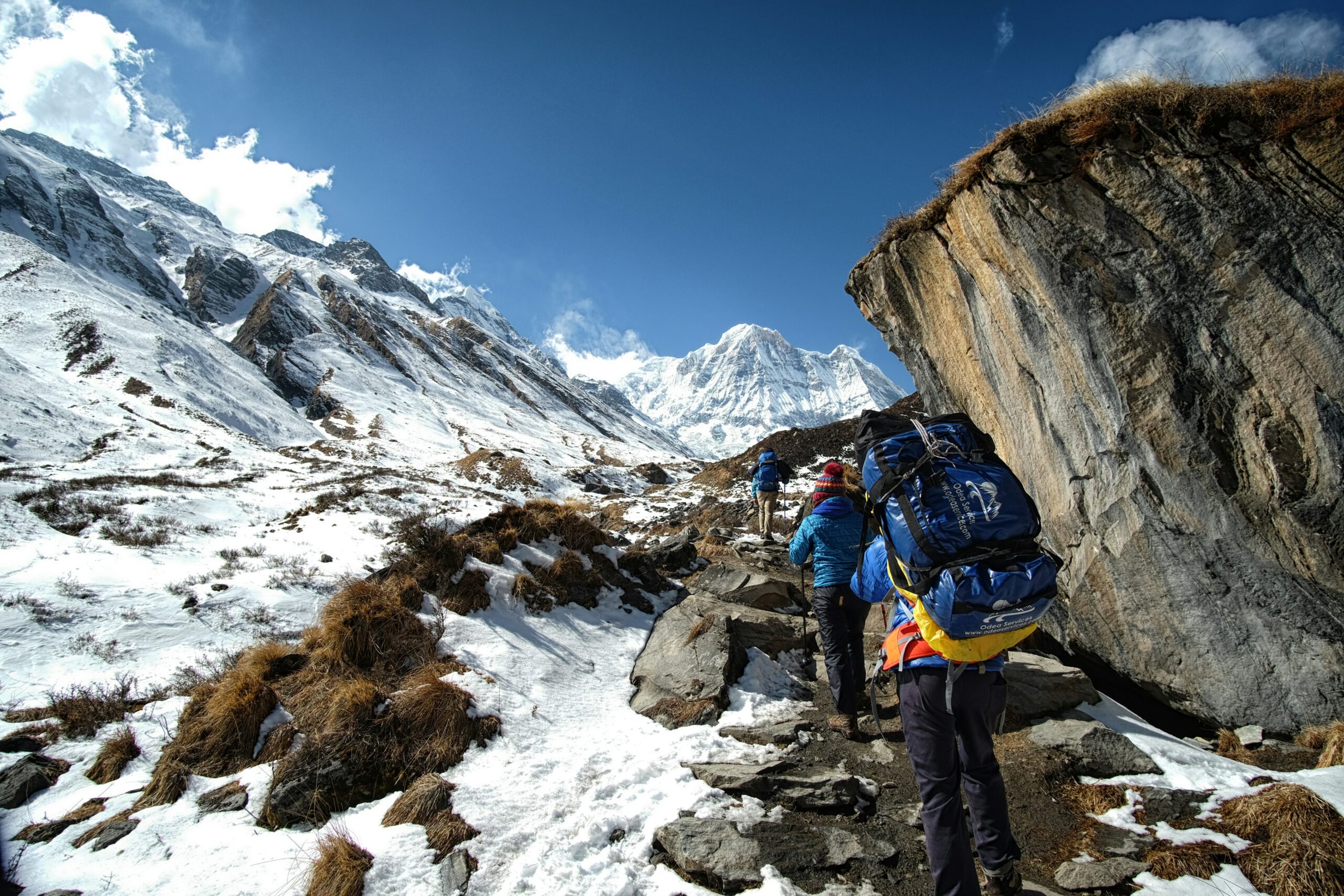


A major scandal is rocking the Everest region, with trekking guides accused of orchestrating a multimillion-dollar insurance fraud involving thousands of fake or unnecessary rescues over just three years.
The scheme, which was uncovered by a police investigation, allegedly involved guides triggering costly helicopter evacuations between 2022 and 2025, affecting at least 4,782 climbers. Investigators estimate that around 300 evacuations were carried out under fraudulent or unnecessary circumstances. So far, 32 people have been charged under the Organised Crime Prevention Act, with around eleven individuals having been arrested.
Initial reports from international media outlets claimed that climbers had been deliberately poisoned in order to justify emergency evacuations. Food was allegedly tampered with using substances such as baking powder or misused medication, while other accounts mentioned the introduction of uncooked chicken or rat droppings into tourists’ meals to induce symptoms resembling altitude sickness.
JUST IN: Mt. Everest guides accused of “poisoning” climbers to trigger helicopter rescues as part of an insurance scam.
— Collin Rugg (@CollinRugg) April 1, 2026
The guides have allegedly been lacing hikers' food and pressuring them into taking expensive rescue helicopter evacuations.
"Guides with the trekking agencies… pic.twitter.com/pd71ARinUt
The scheme reportedly extended well beyond individual guides, involving tour operators, Sherpas, trekking companies, helicopter operators and hospital executives. Once travellers displayed symptoms such as nausea, dizziness, or body aches, they were persuaded to accept a helicopter evacuation.
From there, the alleged fraud unfolded. Medical and flight documents were forged to claim costs from international insurers. Flights carrying multiple passengers were billed as individual evacuations, and hospital admissions and treatment reports were fabricated. In some cases, investigators say, tourists never even set foot in the facilities for which they were billed.
The first arrests were made in January.
The total fraud is estimated at around $20 million, extracted from insurers through unnecessary, exaggerated or entirely fabricated claims.
However, Nepal’s Central Investigation Bureau (CIB) has dismissed some of the more sensational claims. While confirming that the insurance scam is well established, the CIB told Climbing magazine that the official investigation has found no evidence of “poisoning”.
In a press release signed by Senior Superintendent of Police Shiva Kumar Shrestha and addressing inaccuracies in international reporting, the CIB stated that “no facts have been found to suggest that poisonous substances were mixed into food” to facilitate fake rescues.
Attention of the Central Investigation Bureau (CIB) has been drawn to recent news reports circulated in national and international media regarding the Bureau's investigations into the "FAKE RESCUE" of tourists.#theeverestnews #nepal #nepalnow #fakerescue #CIB pic.twitter.com/yMvrbWAb6q
— The Everest News (@TheEverestNews) April 4, 2026
Although the fraud itself is well documented, the 748-page charge sheet makes no mention of the widespread global media claims of deliberate poisoning.
The CIB also warned that the scheme has “caused harm to Nepal’s pride, prestige and dignity internationally”.
The fake rescue economy is not new, though. A similar scheme was exposed as early as 2018 by the Kathmandu Post, prompting a 700-page report and promises of reform, which largely failed to materialise.
“There was lax punitive action”, conceded Kumar, adding that “when there is no action against crime, it flourishes”.
Similar reports emerged in 2019, detailing how visitors colluded with operators to fake illness and split insurance payouts in an attempt to offset the rising cost of expeditions. In the mid-1990s, an Everest expedition cost between £2,000 and £3,000. Today, climbers pay anywhere from £33,000 to £55,000.
For Nepal, which has already been criticised for allowing Everest to become what many describe as “a complete circus”, the implications of this fraud are significant. The scandal has landed at a particularly sensitive moment, as the financial stakes have never been higher.
Tourism is a cornerstone of the national economy, and Everest remains its most powerful symbol. Damage to its reputation could deter visitors just as Nepal moves to tighten access to the mountain by introducing stricter requirements for climbers and increasing permit fees in an attempt to restore credibility.