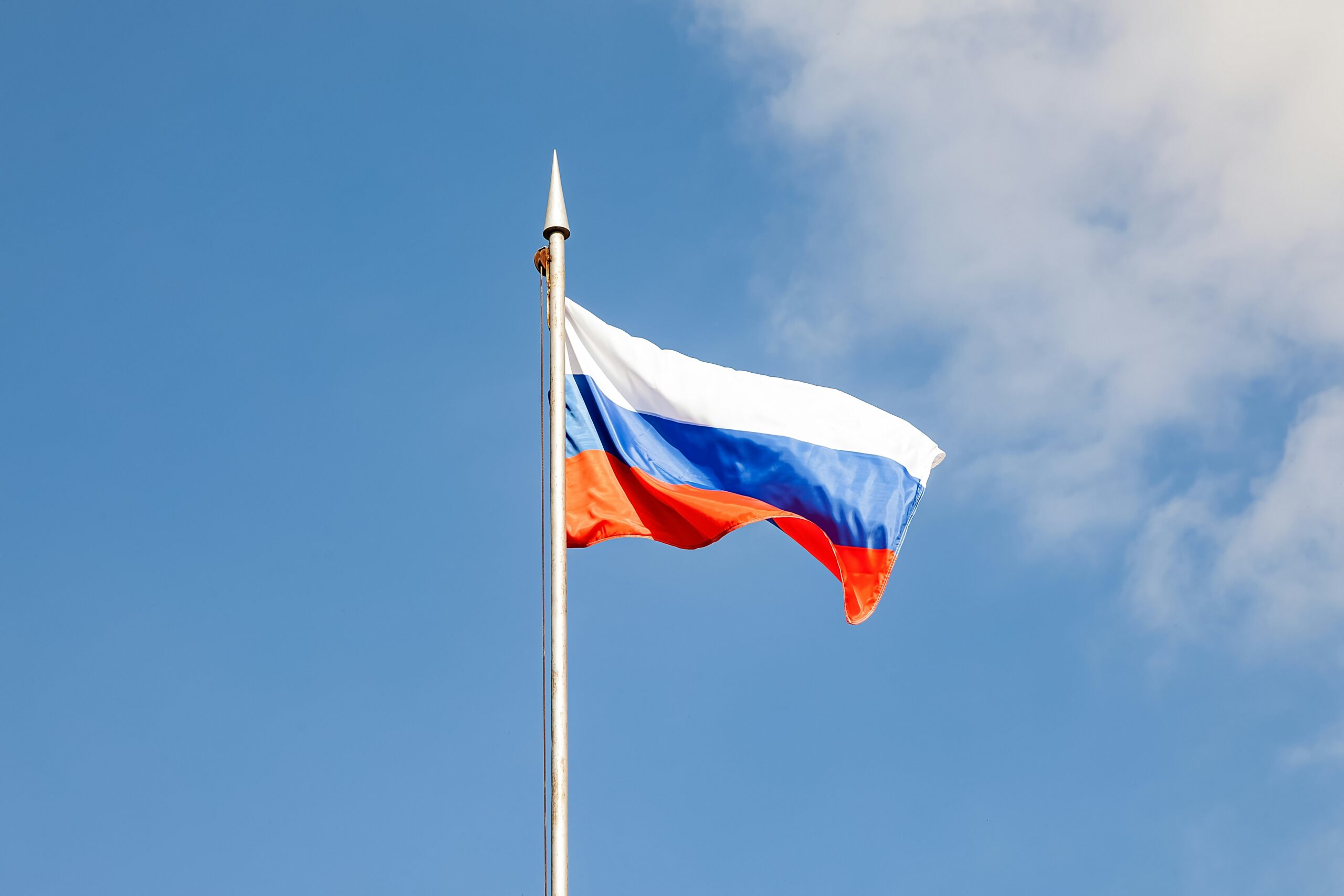



Russia issued a formal warning at the beginning of the month, urging its citizens to avoid travelling to over a dozen countries that maintain extradition treaties with the United States, warning them that they risk becoming “collateral damage” in the Ukraine war, amid what it calls a sharp increase in “Washington’s punitive justice since 2022”.
Although Moscow portrays this as an escalation since 2022, the legal framework largely dates back to 2014, following Russia’s annexation of Crimea. Enforcement has, however, intensified significantly since the full-scale invasion in 2022.
💬 #Zakharova: We have repeatedly drawn attention to the threat of Russian citizens being detained & arrested in third countries at the request of the US.
— MFA Russia 🇷🇺 (@mfa_russia) April 1, 2026
⚠️ @mfa_russia has issued a travel advisory on the risks posed by states that have extradition treaties with the US. pic.twitter.com/aY1QSRoweM
In practice, these “extraterritorial sanctions” enable US authorities to impose penalties beyond their own territory. This can include prosecuting non-US individuals or companies if transactions involve the US financial system or sanctioned entities, or if they are detained in countries that cooperate with Washington.
Moscow claims, without providing evidence or specific examples, that “US intelligence agencies often engage in fraudulent schemes to lure Russian citizens abroad with lucrative commercial or tourist offers”, only to detain them upon arrival.
The advisory is aimed “at Russians who have reasonable grounds to believe they may be subject to criminal prosecution by US authorities”, as well as those appearing on the Specially Designated Nationals and Blocked Persons (SDN) list.
The ministry lists countries that are most likely to extradite Russians to the United States, including the UK, Switzerland, most EU member states, Canada, Australia, Israel, many Latin American countries, Liberia, Morocco, and several Asian states.
The Kremlin claims that more than 100 Russian citizens have been extradited to the United States since Viktor Bout’s arrest in Thailand in 2008, although no authoritative public total is available.
The Russian arms dealer, dubbed the “Merchant of Death”, spent around 14 years in US custody after being convicted of charges related to arms trafficking and conspiring to kill Americans. In December 2022, he was released in a prisoner swap negotiated by the United Arab Emirates and Saudi Arabia in exchange for US basketball star Brittney Griner. Griner had been imprisoned in Russia after customs officials found cannabis vape cartridges in her luggage.
Moments ago I spoke to Brittney Griner.
— President Biden Archived (@POTUS46Archive) December 8, 2022
She is safe.
She is on a plane.
She is on her way home. pic.twitter.com/FmHgfzrcDT
The exact number of Russians held in US jails remains unclear.
In 2024, the largest prisoner swap since the Cold War saw 16 Western detainees exchanged for eight Russians held on charges ranging from sanctions evasion to cybercrime and arms trafficking across the United States and Europe. A further deal in February 2025 saw the release of American teacher Marc Fogel, who had been imprisoned on medical cannabis charges.
February 11, 2025: President Trump Welcomes Home Marc Fogel at the White House. pic.twitter.com/3BwT6phUAf
— The White House (@WhiteHouse) December 31, 2025
As of early 2026, official sources and media reports indicated that at least eight Americans remained in Russian custody.
The US State Department maintains a Level 4: Do Not Travel advisory for Russia due to the risk of arbitrary and wrongful detention and limited consular access.