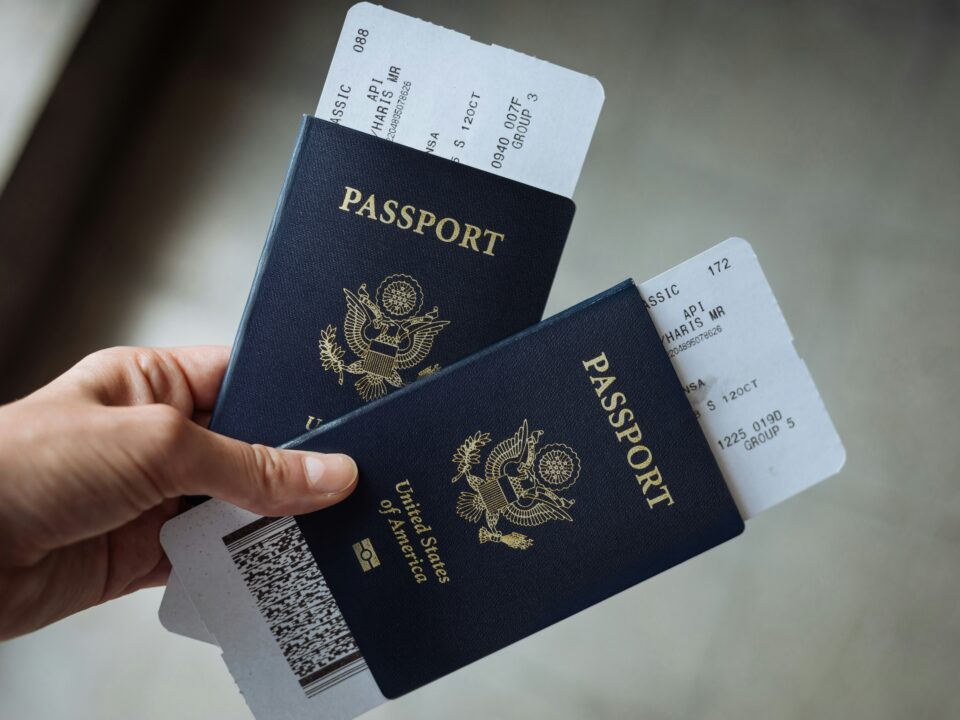
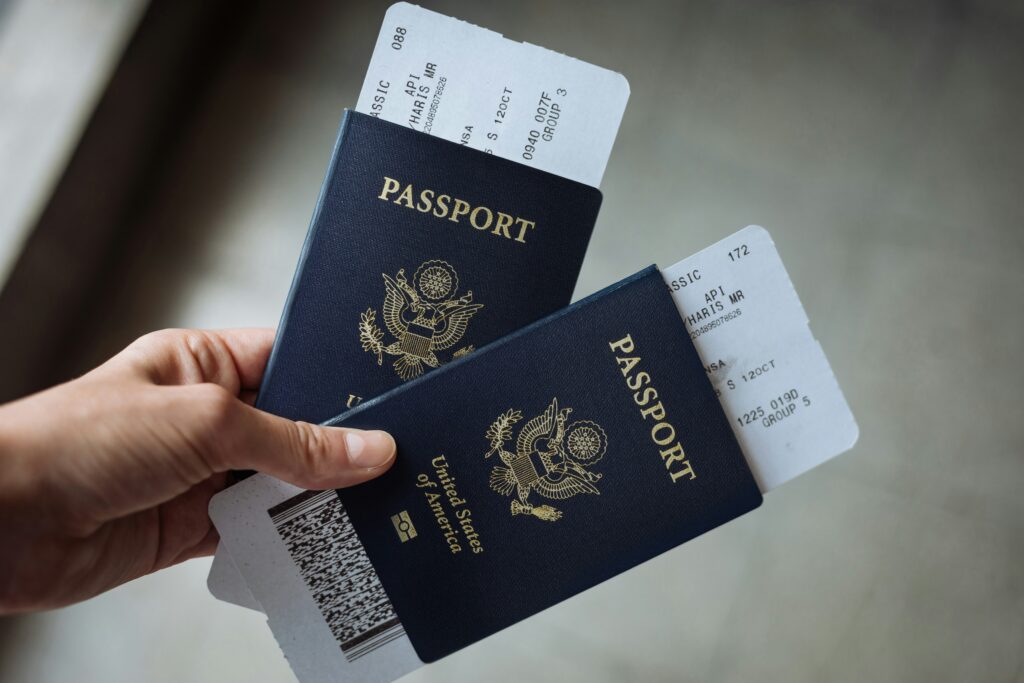
Amid mounting security concerns linked to Moscow’s war against Ukraine, the European Union (EU) has formally tightened the rules for issuing multiple-entry Schengen visas to Russian passport holders, limiting access to short-stay permits.
Under the new decision, adopted by the European Commission on 6 November, most Russian citizens will now only be eligible for single-entry visas, meaning they will have to apply for a new visa for each trip to the Schengen area. This follows reports of drone incursions over Brussels, acts of sabotage, and attempts at cyber espionage, as well as fears that visas could be misused for propaganda or intelligence purposes.
According to the Commission, “Russia’s unprovoked war of aggression against Ukraine and its weaponisation of migration have profoundly altered the security risk linked to Russian visa applicants”. The new system will enable the authorities to review travellers more frequently and to “mitigate any potential threat to public order and internal security”.
The restrictions pertain to applications submitted in Russia for travel to the Schengen area, which encompasses 25 of the EU’s 27 member states, as well as Iceland, Liechtenstein, Norway, and Switzerland.
The European Commission banned issuing multi-entry Schengen visas to Russian citizens, requiring them to apply for a new single-entry visa each time they plan to travel to the EU. This will allow enhanced screening of Russian applicants and reduce potential security risks for… pic.twitter.com/bOdWda4krb
— WarTranslated (@wartranslated) November 7, 2025
Limited exceptions
The Commission’s decision allows for a few exceptions. Close family members of Russian citizens legally residing in the EU, or of EU citizens themselves, may still be granted one-year, multiple-entry visas, provided they have lawfully used three such visas over the past two years.
Transport professionals, including seafarers, lorry drivers, bus drivers and train crew, can obtain nine-month multiple-entry visas provided they have used two visas in the previous two years.
On Friday, a Commission spokesperson, Markus Lammert, said that the new framework “severely restricts” multiple-entry visas, but still allows consulates “a degree of discretion for exceptional humanitarian or professional cases”.
Member states may, in “duly justified cases”, issue longer visas – up to five years – to dissidents, independent journalists, human rights defenders, civil society representatives and other vulnerable individuals whose reliability and integrity are beyond doubt.
The new rules are not retroactive. Russians who already hold valid multiple-entry visas will be permitted to continue using them until they expire.
A gradual tightening
The decision marks the latest step in a policy that has been tightening for over two years. Already in September, as reported by Travel Tomorrow, the EU had prepared to recommend stricter visa conditions for Russian nationals, citing growing security concerns and the need for “coordinated scrutiny” across the bloc.
This followed earlier measures taken in 2022 when the EU suspended the Visa Facilitation Agreement with Moscow, which made short-stay visa applications more expensive and complex. The bloc also ruled that passports issued in Russian-occupied Ukrainian regions would no longer be recognised for entry into the Schengen area.
Baltic states such as Lithuania, Latvia and Estonia went further by barring most Russian citizens from entering altogether. The EU has also urged Serbia to stop granting citizenship to Russians, warning that this creates an easy backdoor into Europe and poses potential security risks.
❗️JUST IN
— The Other Side Media (@TheOtherSideRu) November 7, 2025
🇪🇺🇷🇺 EU slams the visa door on Russians, banning multiple-entry Schengen visas
The new rules relegate most Russian citizens to single-entry visas, forcing them to undergo a heavily scrutinized application process for each trip
The new rules explicitly aim to… pic.twitter.com/fGrk4zG1FF
Despite these restrictions, the number of Schengen visas issued to Russian nationals increased again in 2024, reaching over 600,000 short-stay permits compared to 500,000 in 2023 and four million prior to the war. The Commission’s latest decision is intended to close what officials see as a remaining security gap.
Estonian Prime Minister Kaja Kallas welcomed the move, writing on X that “starting a war and expecting to move freely in Europe is hard to justify. Travelling to the EU is a privilege, not a right”.
Starting a war and expecting to move freely in Europe is hard to justify.
— Kaja Kallas (@kajakallas) November 7, 2025
The EU is tightening visa rules for Russian nationals amid continued drone disruptions and sabotage on European soil.
Travelling to the EU is a privilege, not a given.
In Moscow, the reaction was predictably sharp. Russian Foreign Ministry spokeswoman Maria Zakharova mocked the EU’s decision, saying Brussels preferred “illegal migrants and Ukrainian draft dodgers” to “creditworthy tourists”.