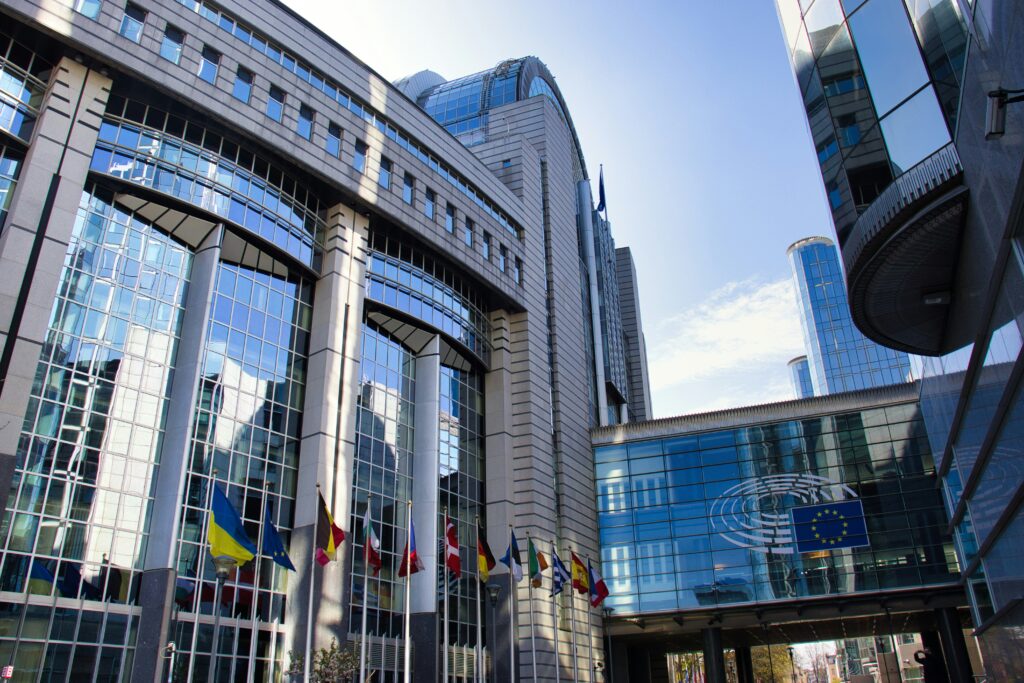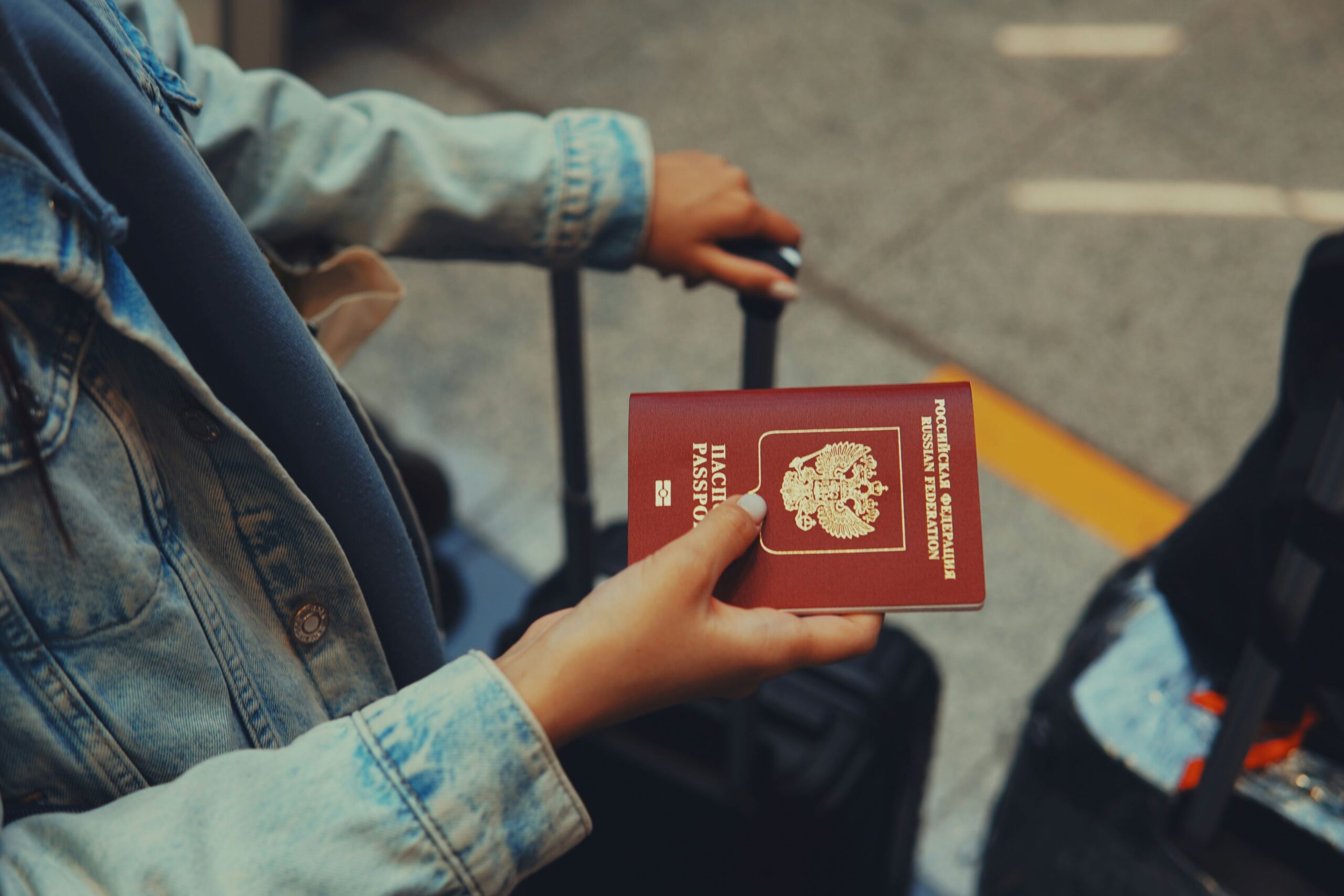


Russians applying for visas to the EU are about to face new restrictions, according to a Politico scoop citing two European diplomats, from countries bordering Russia, who requested anonymity.
The diplomats said that issuing visas to Russian nationals would become much more difficult following sustained pressure from EU countries bordering Russia. One of the diplomats told Politico that the expected change at the end of the year was ‘long overdue’.
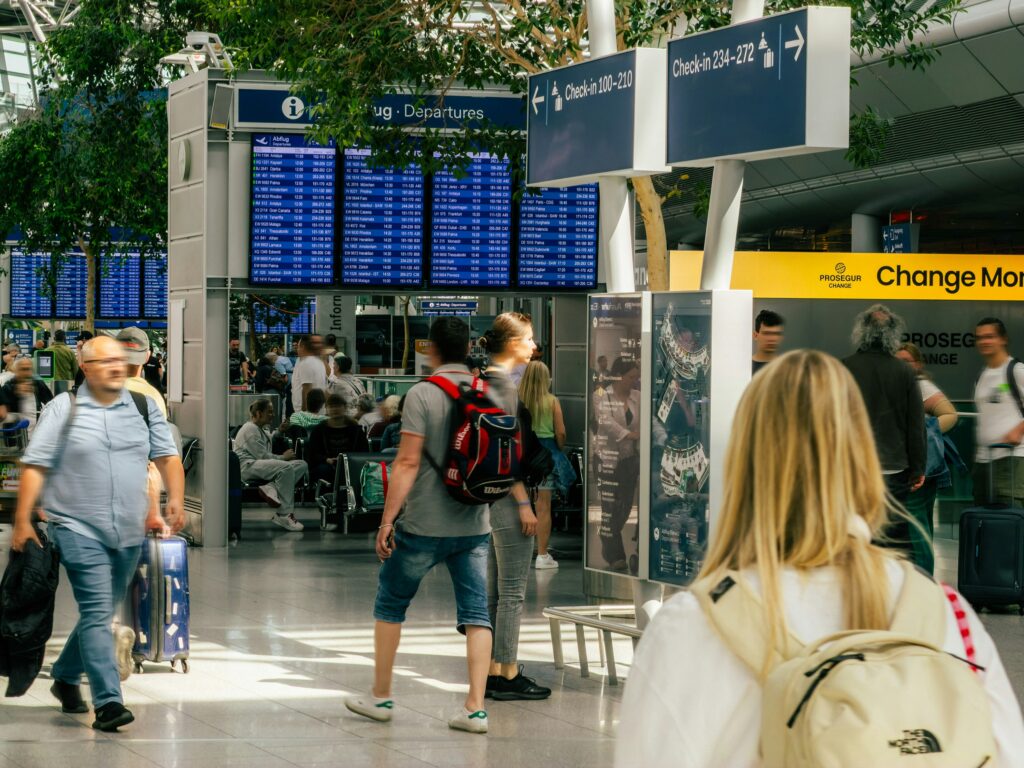
This push follows a surge in Russian tourism this summer. The EU revised its visa issuance policy in 2022, making applications more difficult and expensive shortly after Russia’s invasion of Ukraine. However, the EU has recently been criticised for its laxity. According to Commission data, more than 500,000 Schengen visas were issued to Russian nationals in 2024, which is well below the 2019 peak of four million but still eight times more than in 2023.
Europe tightens visa requirements for Russians
— Visegrád 24 (@visegrad24) September 15, 2025
🇩🇪 Germany has tightened visa rules: Russian citizens must now prove “serious reasons for travel.”
🇪🇸 Spain has already suspended Schengen visa applications in Moscow.
🇪🇺 The EU is preparing its 19th sanctions package, which is… pic.twitter.com/tpZRvD8cBQ
Nevertheless, the approach among the 27 member states remains inconsistent. Poland, the Czech Republic, Finland, Latvia, Estonia and Lithuania have either blocked or severely restricted visa applications from Russian citizens, while others, including Hungary, France, Spain and Italy, have maintained a more ‘liberal’ approach.
In an emailed statement to EUobserver, the French Foreign Ministry defended France’s openness, stating that “people-to-people relations and cultural ties can play a positive role in fostering mutual understanding and dialogue between populations”. The ministry added, “We work hard to differentiate between the Russian regime responsible for the war in Ukraine and the population, its civil society, and the opposition.”
Latvia stopped issuing tourist visas to Russian citizens three years ago. When asked by Politico about the EU’s forthcoming guidelines, Foreign Minister Baiba Braže emphasised the need for a unified and consistent approach to issuing visas to Russian nationals across the EU.
With visa-free access to just 11 countries, the Russian passport is one of the weakest. In a global economy built on flows, Russia's connectivity is shrinking.
— EU Institute for Security Studies (@EU_ISS) September 10, 2025
➡️More on Moscow’s strengths, vulnerabilities & how the EU can leverage them in #UnpowerRussia: https://t.co/t0YMXs5SVy pic.twitter.com/Q5qYLshN4G
According to the publication, the new rules will be made public in December. Although they will not be legally binding, they will recommend more stringent policies for Russian nationals seeking to enter the territory.
Maria Zakharova, spokesperson for the Russian Foreign Ministry, has warned that any measure targeting Russian diplomats would be met with a ‘reciprocal reaction’. Russian media outlets have also reported officials vowing ‘mirrored responses’, though the Kremlin has not yet officially commented.
There has also been criticism from Russian opposition circles. In a letter to EU foreign policy chief Kaja Kallas, Yulia Navalnaya, the widow of the late opposition leader Alexei Navalny, urged Brussels to “make a clear distinction between the responsibility of the regime and ordinary Russians”, suggesting that restrictions should target “oligarchs, security officials, propagandists and other accomplices of the regime” instead.
In response to her comments, Ukraine’s First Deputy Foreign Minister, Serhiy Kyslytsya, emphasised that “travelling to Europe is a privilege, not a right, for individuals who do not undermine European security and values or contribute to the war, its industry, or its propaganda”.
You are wrong @yulia_navalnaya , and you know it well but you keep whitewashing the general russian public support of the war against Ukraine. More than 65% of russians surveyed support the war against Ukraine, believe that the fighting is "going well" for russia.
— Sergiy Kyslytsya 🇺🇦 (@SergiyKyslytsya) September 12, 2025
Travels for… https://t.co/e2rR3dlVVo
Czech Foreign Minister Jan Lipavský has long pressed for tougher measures, proposing a ban on Russian diplomats travelling outside the country where they are posted. Last month, he warned that the EU was giving “an unnecessary advantage to the Russian regime, which is being abused to facilitate sabotage operations”.
These measures differ from the broader 19th sanctions package that the EU is preparing against Moscow. This package focuses on economic, diplomatic and sectoral measures aimed at undermining Russia’s ability to sustain its war effort. It may include new restrictions on visa issuance.