


Following a hantavirus outbreak on board a Dutch cruise ship that has killed three people at the time of writing and caused others to be hospitalised, including an air steward who only came into brief contact with one of the cruise passengers, people around the world are asking how to recognise the viral symptoms and what to do if they experience them after travel.
The truth is that hantavirus is not necessarily associated with travel. Perhaps the most notorious recent case (before the current cruise situation) was that of Betsy Arakawa, the wife of Hollywood legend Gene Hackman. She died in 2025 from a hantavirus infection at their own home in New Mexico (a region of the States where a new strain of the disease emerged in the 1990s).
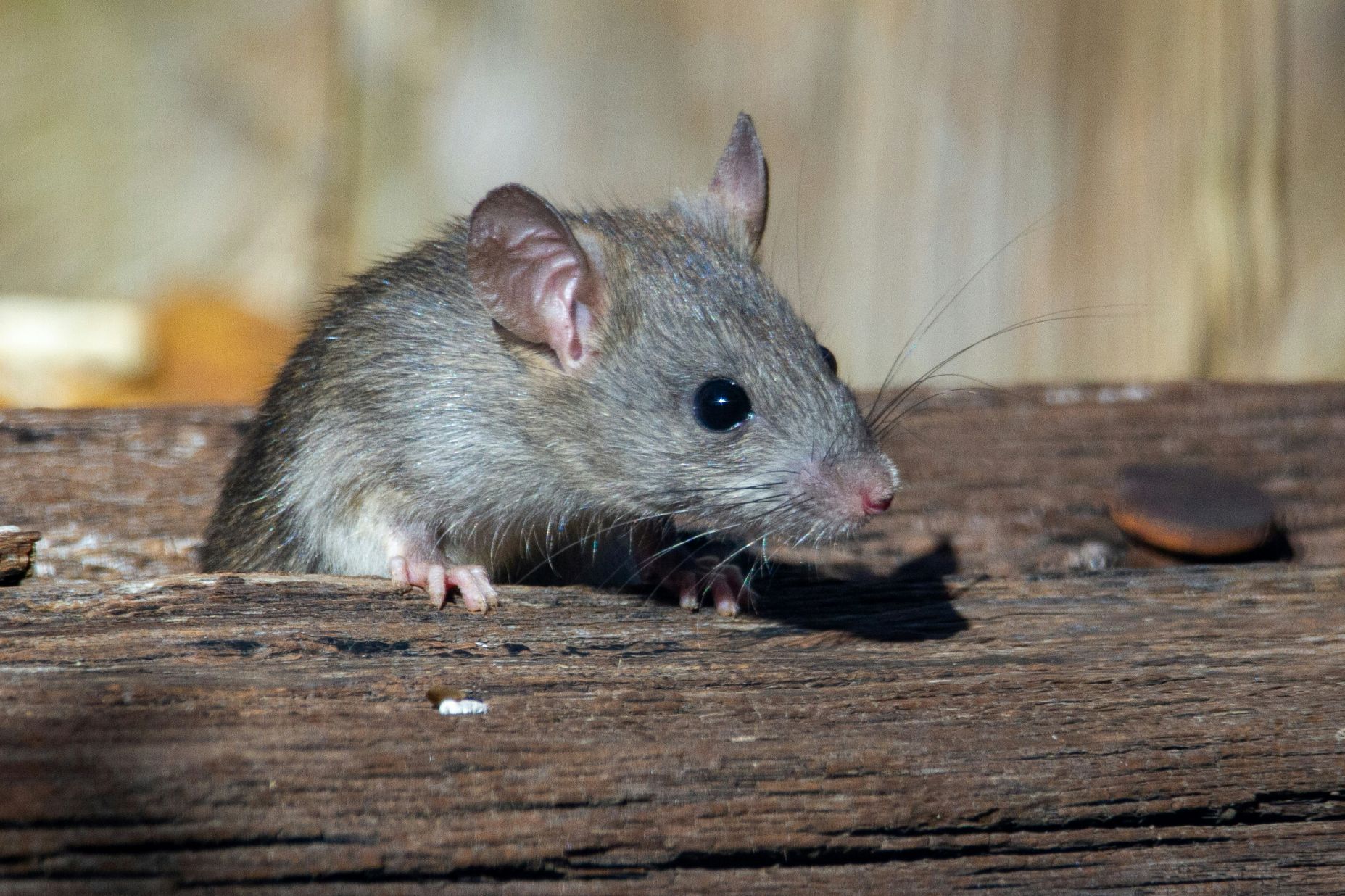
In reality, hantavirus is a centuries-old infection, usually associated with rodents and spread to humans who come into contact with the creatures’ disturbed droppings, breathing in particles. However, an Andean strain has been known to be transmissible human-to-human and, given the pattern of infections on board the MV Hondius and on an aircraft, health authorities are currently focusing attention on that. Epidemiological tracing is however being limited to very close contacts, such as those who have had prolonged or intimate proximity to an infected person, since human-to-human spread is so rare.
Symptoms of the pulmonary hantavirus syndrome in question in this instance usually become apparent after one week and up to as long as two months after contact with an infected rodent. While the disease may at first appear flu-like, provoking fever, chills, aches and pains, and headaches, patients may then begin to experience breathing difficulties, as their lungs fill with fluid.
The virus can also cause haemorrhagic fever–like the perhaps more well-known Ebola–damaging the cardiovascular system, organs, and blood-clotting functions. Symptoms include high fever, fatigue, vomiting, and severe bleeding. Kidney failure can also ensue.
Since the disease can progress rapidly, early detection and medical attention are key to good patient outcomes. There is no specific cure, vaccine, or treatment yet. It should be borne in mind that for some people, the symptoms remain mild, and health authorities are unclear about why different individuals respond differently to the infection. It is also not yet fully understood how antibodies are developed.
Experts advise limiting all contact with rodents and their faeces, being especially careful to wear gloves, a mask, and using bleach if in a position of needing to clean up their droppings. Hoovering or sweeping can make the droppings become airborne and more easily inhaled, so those cleaning methods should be avoided.