Virgin Atlantic has expanded upon the fleet upgrade plans it made public in 2024, revealing the launch of free Wi-Fi for all passengers by the end of 2027, an increase in the percentage of Premium and Upper Class seats on more than half its aircraft, and a refresh of its Terminal 3 lounge at London Heathrow.
The airline ordered seven new Airbus A330-900s in July last year, which Shai Weiss, the carrier’s CEO, said “completed” a €14.5-billion transformation plan that will secure Virgin’s claim to the youngest and most efficient, environmentally-friendly fleet (at an average of seven years old) among its transatlantic rivals.
Wi-Fi and customer experience changes
A year later, speaking to media at a London press event on 8 July 2025, Weiss trailed more change to come, saying a new contract with Elon Musk’s Starlink satellite network would “change the way people think about travel.” Other airlines too, from airBaltic to Qatar, are signing up for Musk’s supply but Virgin Atlantic’s Starlink Wi-Fi will be complimentary for every passenger.
The firm expects the technology to rollout in late 2026 on its Airbus A330neos, A350s, and Boeing 787s, for completion in 2027, meaning passengers should be able to work and play seamlessly as they make the long-haul journeys Virgin specialises in.
Other improvements to customer experience include a new app coming in December 2025, featuring an “AI concierge”, and an amendment to its Flying Club “frequent flyer” scheme to recognise and reward customer loyalty, not only customer spend.
More change is afoot, Weiss said, confirming that the airline would also be investing in a refurbishment of its Heathrow Terminal 3 lounge despite the carrier’s long-held hope to get into Terminal 2 – the airport’s newest facility. On a possible return to London Gatwick, which Virgin left during the COVID-19 pandemic, Weiss left the possibility open.
Premium and Upper Class prioritised in seating configuration
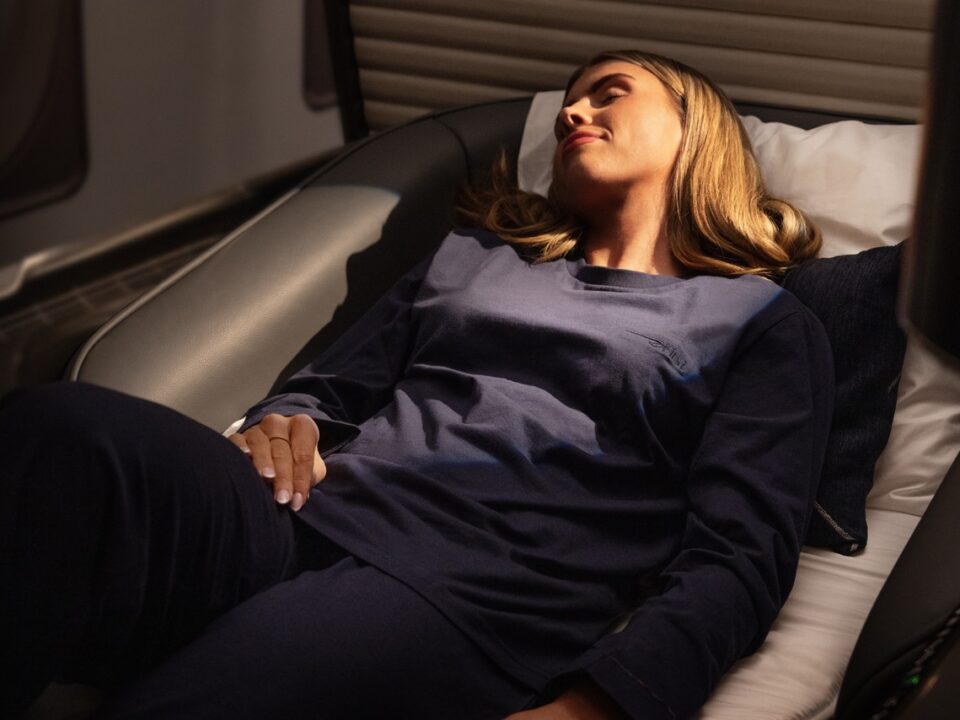
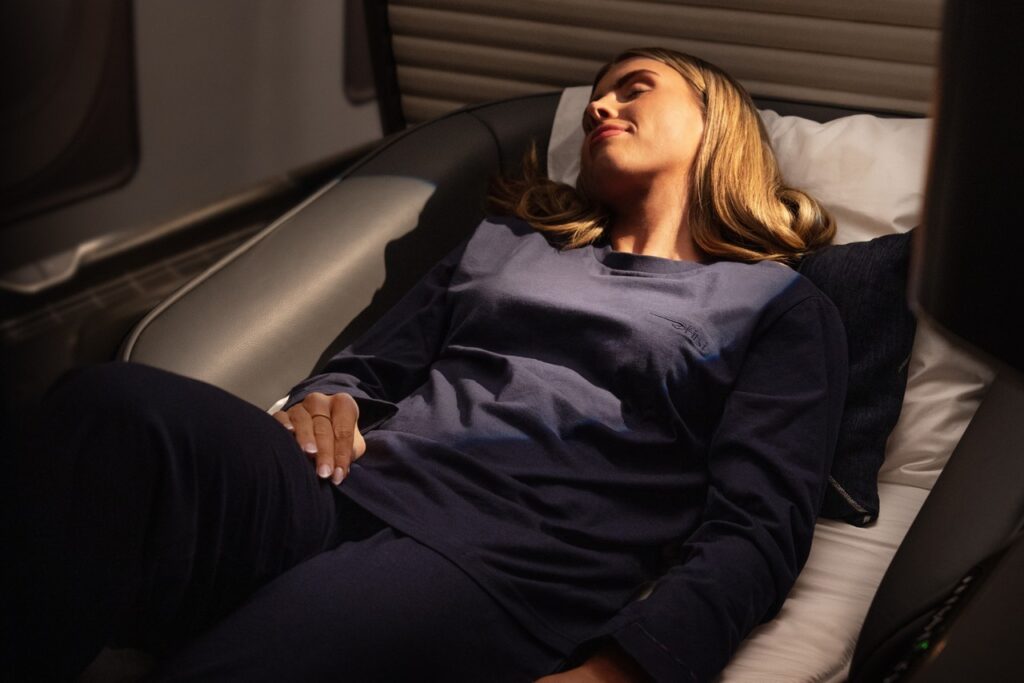
Once passengers have left the terminal and boarded, they will find a new layout on half the fleet, pushing the proportion of “better-than-economy” seats, sold by Virgin as Premium or Upper Class, to 45% by 2030. The carrier’s Boeing 787 fleet will be reconfigured to match the Airbus A330’s interior design, with Upper Class expanding “from 31 seats in a 1-1-1 configuration to 44 seats in a 1-2-1 configuration,” Simple Flying explains, adding that “Premium economy will also increase from 35 seats to 56 seats.”
Economy will be reduced “by a third from 192 seats to just 127 seats” to make room for the increase in fancier seating.
Virgin is not fully satisfied with its Airbus configuration either however, and is set to swell the number of premium seats there too. The aircraft on order will be tweaked to serve 48 Upper Class (an increase of 18) and 56 Premium (an increase of 10), with Economy dropped down by 56 seats.
Long-haul, short-haul connections
The focus of Virgin’s fleet plans make clear the long-haul only airline is not about to muscle into the short-haul market – a segment that the carrier has served for the last two years through its SkyTeam alliance membership – providing onward connections from Heathrow with Air France, KLM and SAS.
Weiss made no indication that the SkyTeam arrangement was about to change. “A decade ago we had probably about 1,000 passengers a day connecting to or from Virgin Atlantic. Right now it’s 4,000 a day. SkyTeam has allowed us to augment our long-haul travel with connectivity – and that’s really the profound change we’ve seen over the last few years,” he said.