


UK consumer spending on travel has fallen for the first time since COVID-19, amid cost concerns and cancellations driven by fears over disruption and hostilities in the Middle East. The decline has been seen across direct purchases, spending with travel agents and airlines, and even public transport.
New data from Barclays shows travel spending down 3.3% for March 2026. Card spending declined 0.9% overall and non-essential spending also dropped 1.1%. The month also saw a 4.6% fall in spending with travel agents compared to March 2025. Consumers spent 4.1% less with airlines, and 2.9% less on public transport.
When it comes to sentiment, a survey of 2,000 people at the end of the month revealed a whopping 70% cite the cost of living as one reason for the belt tightening. Over half, 57%, said they were put off by potential travel disruption in the Middle East, with 11% saying they had already cancelled travel plans because of the geopolitical tensions. One in seven (14%) people are postponing significant purchases as a result of the uncertainty and the same percentage is putting the money towards savings.
The picture is not all bleak, however. Barclays characterised consumer resilience as “strong” noting that the majority of UK adults express confidence in their household finances (67%) and their ability to live within their means (71%).
In fact, consumer spending on accommodation, hotels, and resorts went up 1.2% in March, possibly due to holidaymakers switching their Easter breaks to “staycations.” The same phenomenon could explain why overall travel spending went down despite a rise in transactions (up 9.2%). Tying in with that renewed appetite for domestic travel, airline transactions also dropped, by 3.6%.
Karen Johnson, head of retail at the bank, described consumers as performing “an ongoing balancing act” in order to find ways “to prioritise the things that matter the most to them.” She noted that although “cost-of-living concerns and economic uncertainty continue to weigh on confidence” spending “remains resilient across several categories, namely clothing, entertainment and digital content and subscriptions.” She called for the Bank of England to hold interest rates to avoid a further squeeze on pockets.
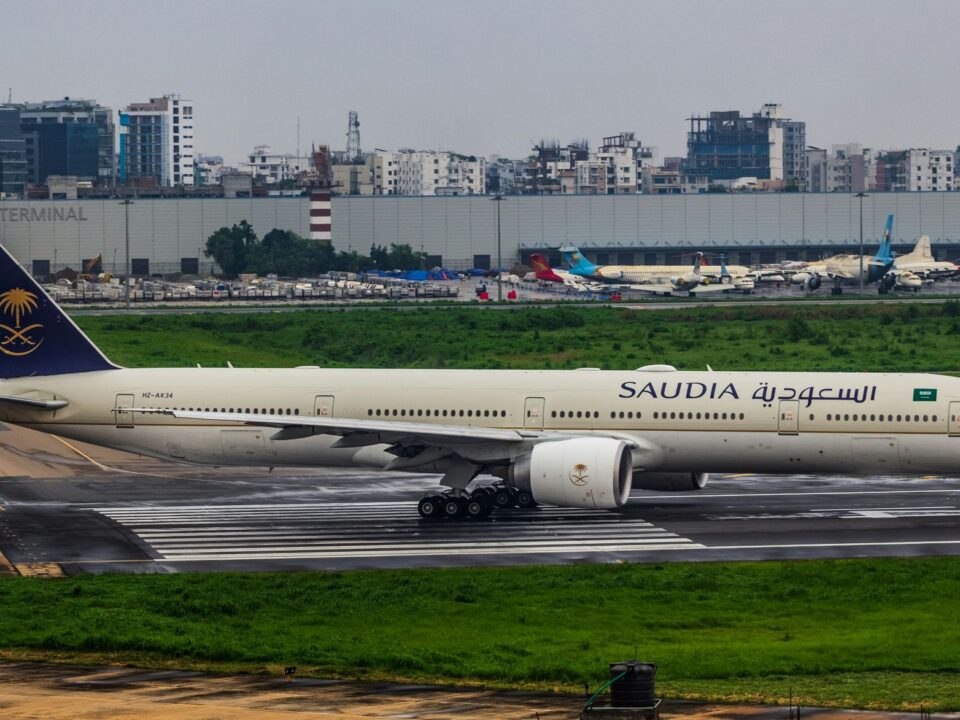
With travel sector losses due to the Middle East security crisis amounting to an estimated $600 million per day, events bookers focusing attention 12 months’ ahead, and the economic impact being compared to that of COVID, industry stakeholders will be asking how they can reignite short-term spending through the assurance consumers need and the destinations they are seeking. Airlines are already hedging their own offers, cutting schedules, withdrawing Middle East routes and adding seat capacity or new connections where there is demand. Trade bodies meanwhile have called for a Europe-wide approach to the fuel crisis as the bloc risks running out of oil supplies just before what many were hoping would be another record summer season.