

Europe’s aviation sector is facing growing uncertainty after the International Energy Agency (IEA) warned that the region could have as little as six weeks of jet fuel remaining if current supply disruptions persist.
The warning comes as the Strait of Hormuz, one of the world’s most critical energy corridors, has remained effectively closed for more than six weeks amid escalating tensions involving Iran, the United States and Israel. The strait typically handles around 20% of global oil and gas flows, making it a vital artery for jet fuel exports from the Gulf to international markets.
A fragile supply chain under pressure
According to the IEA, Europe relies heavily on the Middle East for its aviation fuel needs, with around 75% of its jet fuel imports traditionally coming from the region. With these supplies disrupted, European countries are now scrambling to secure alternative sources, notably from the United States and Nigeria.
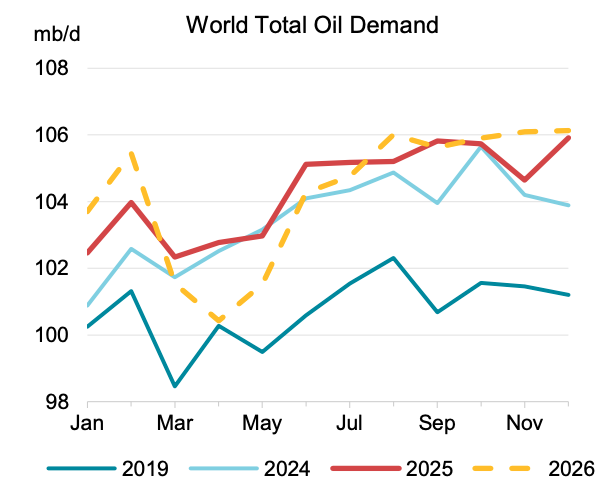
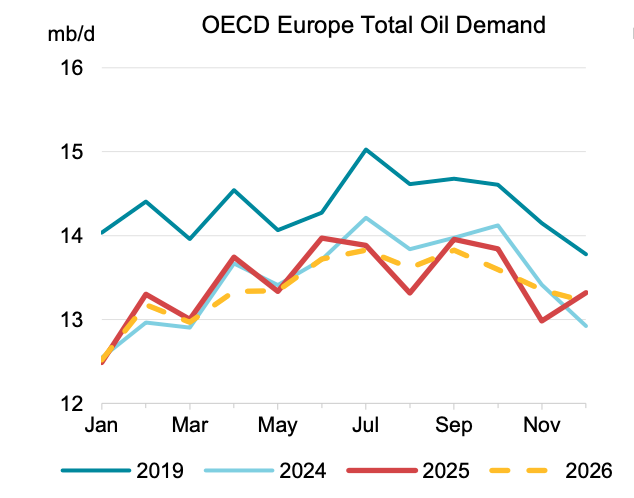
However, the agency cautioned that even with a rapid increase in exports from these countries, replacement volumes may only cover just over half of the lost supply. If Europe fails to replace at least 50% of its Middle Eastern imports, “physical shortages may emerge at select airports, resulting in flight cancellations and reduced demand,” the IEA said in its latest oil market report.
Fatih Birol, Executive Director of the IEA, warned that the consequences could soon become visible to travellers. “In Europe, we have maybe six weeks or so of jet fuel left,” he said, adding that continued disruption could lead to cancellations on certain routes between cities.
Rising costs and early disruption signals
The crisis has already sent jet fuel prices soaring. Benchmark European jet fuel prices reached a record €1,387 per tonne earlier this year, compared with around €627 before the conflict began. Fuel typically accounts for between 20% and 40% of airline operating costs, placing significant financial pressure on carriers.
Several airlines are beginning to feel the impact. easyJet reported an additional €29 million in fuel costs in March alone due to the crisis, despite having hedged a large share of its fuel in advance. Meanwhile, KLM announced it would cancel 160 European flights in the coming month, citing rising fuel costs, although it stressed that it is not currently facing a physical shortage.
Industry groups are also preparing for potential disruption. Airlines UK said it is in discussions with the government about possible support measures, including reducing regulatory burdens, should the situation deteriorate.
JUST IN: 🇮🇷🚀 Global aviation fuel prices rise 66% to $4.69 per gallon due to Iran war. pic.twitter.com/tNfi1004wd
— BRICS Monitor (@BRICStracker) April 11, 2026
No shortages yet, but risks ahead
Despite the warnings, authorities maintain that there is currently no immediate shortage. The European Commission said there is “no evidence of fuel shortages” in the European Union at present, with crude oil supplies to refineries remaining stable. However, it acknowledged that supply pressures could emerge in the near future if disruptions continue.
Analysts suggest that even if the Strait of Hormuz reopens soon, the effects will linger. Rebalancing global supply chains and restoring fuel flows could take several weeks, raising concerns ahead of the peak summer travel season.
“There could still be shortages in some areas of Europe,” said Amaar Khan of Argus Media, noting that major hubs such as Heathrow are likely to be prioritised over smaller airports.
A wider economic risk
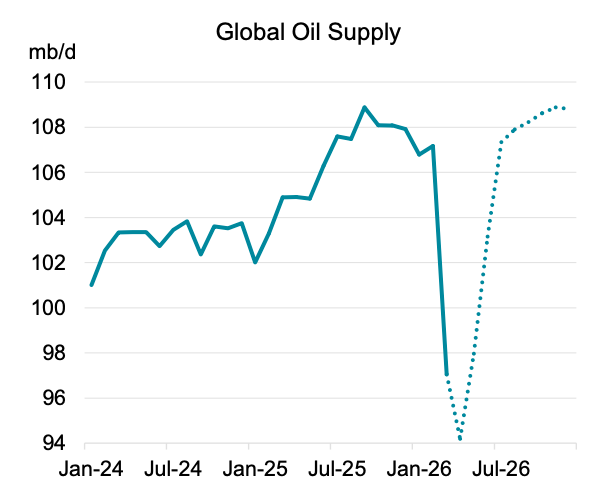
Beyond aviation, the crisis could have broader implications for the global economy. The IEA has warned that prolonged disruption could push countries towards slower growth or even recession, driven by higher energy prices and supply constraints.
With more than 80 energy assets in the region reportedly damaged and recovery potentially taking months or even years, the outlook remains uncertain.
Global oil markets are facing a historic supply disruption amid the war in the Middle East, pushing up prices for consumers.
— International Energy Agency (@IEA) April 15, 2026
Our report sets out 10 immediate demand-side options to help governments, businesses & households ease the economic impacts → https://t.co/OiyU3jpxIq pic.twitter.com/jXFu8RxpNd
For now, Europe’s aviation sector is racing against time to secure alternative fuel supplies. Whether those efforts will be enough to avoid disruption during the busy summer months remains an open question.