


There are moments in economic history when a country does more than diversify. It redefines the terms of the future. Saudi Arabia is now doing exactly that with tourism.
What the Kingdom has built under Vision 2030 is not a conventional tourism expansion, nor a promotional exercise dressed in the language of reform. It is something far more consequential: the deliberate construction of a new economic pillar, designed to generate growth, influence, confidence and global relevance at scale.
That distinction matters. Many countries aspire to become tourism powers. Saudi Arabia has chosen to become something more ambitious — a nation that uses tourism as a strategic instrument of transformation.
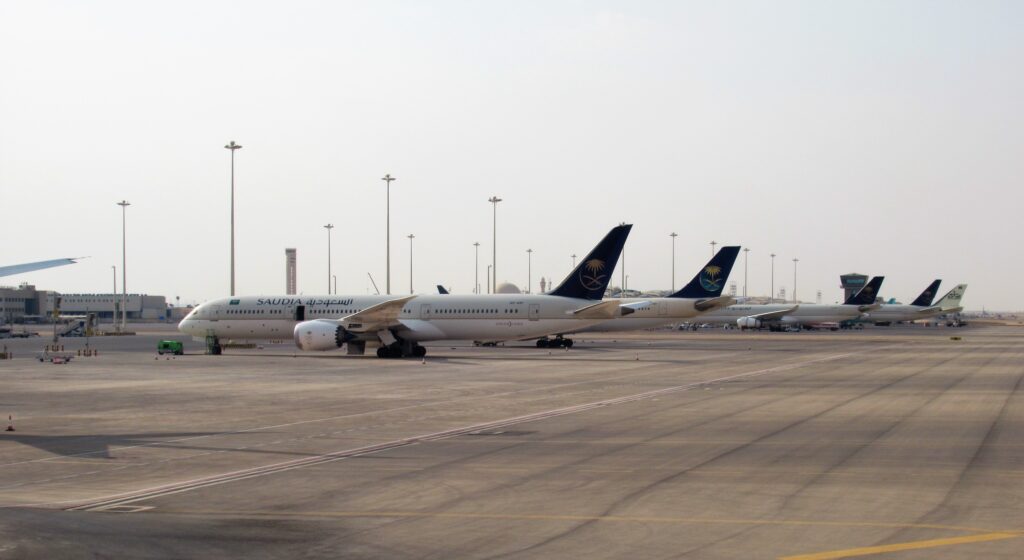
And the numbers now speak with unusual authority. Saudi Arabia surpassed its original target of 100 million annual tourists seven years ahead of schedule. In 2024 alone, the Kingdom recorded approximately 116 million domestic and inbound tourists, a 6% increase over the previous year, while total tourism spending reached SAR 284 billion. Those figures do not merely suggest momentum. They confirm structural arrival.
This is why Saudi tourism deserves to be understood not as a sectoral success, but as a national masterstroke.
At the center of that masterstroke stands Crown Prince Mohammed bin Salman, whose leadership has given Saudi Arabia one of the clearest transformation narratives of the modern era. Vision 2030 did not simply identify tourism as a growth opportunity. It elevated tourism into a core instrument of national redesign — economically, institutionally and internationally.
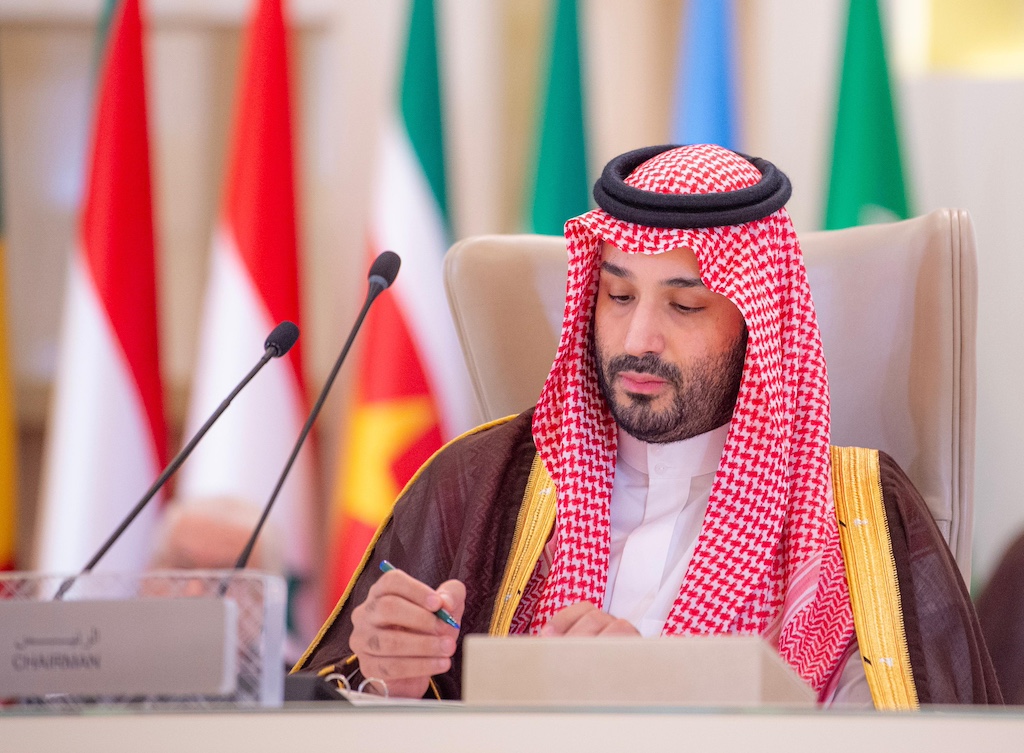
That is what visionary leadership looks like in practice: not the announcement of ambition, but the engineering of alignment.
In most countries, tourism evolves gradually, often in fragments. A hotel strategy emerges here, an aviation plan there, a cultural initiative somewhere else. Saudi Arabia has taken a different route. It has aligned tourism with infrastructure, sovereign capital, mobility, investment, quality of life, heritage, entertainment, pilgrimage and destination development within a single strategic architecture. The result is not just growth. It is coherence.
And in economics, coherence is power.
The Kingdom’s National Tourism Strategy makes that power legible. Saudi Arabia is targeting tourism to contribute more than 10% of GDP and create up to 1.6 million jobs by 2030. These are not decorative targets. They indicate that tourism is being treated as a serious engine of national productivity, employment and non-oil expansion. Few countries in the world have positioned tourism with this degree of institutional seriousness.
The most decisive validation of this approach arrived on 15 April 2026, when the Public Investment Fund Board, chaired by Crown Prince Mohammed bin Salman, approved PIF’s 2026–2030 strategy. The language of that strategy is telling. Saudi Arabia is moving from the Growth phase of 2021–2025 into what it defines as a Value Realization phase. That is more than a policy update. It is a declaration of maturity. Scale, in other words, is no longer enough. Performance, ecosystem depth and long-term value now define the next chapter.
This matters enormously for tourism.
Under the new strategy, PIF organizes its investments through Vision, Strategic and Financial portfolios, with the Vision Portfolio anchored around six competitive domestic ecosystems. Tourism, travel and entertainment is explicitly named as one of them. That single fact says almost everything the market needs to know. Tourism is not adjacent to Saudi Arabia’s future. It is one of the systems through which the future is being built.
And because this is Saudi Arabia, that strategic designation is backed by financial force.
PIF’s assets under management have risen from $150 billion in 2015 to more than $900 billion. Between 2021 and 2025, the fund invested over $199 billion into new Saudi projects, while contributing more than $243 billion to real non-oil GDP between 2021 and 2024, equivalent to roughly 10% of the Kingdom’s total. In that context, tourism’s formal place inside the value-realization architecture is not symbolic praise. It is a capital-backed priority.
This is where many outside observers still underestimate Saudi Arabia.
They see destinations, projects, and headlines. What they should be seeing is operating logic.
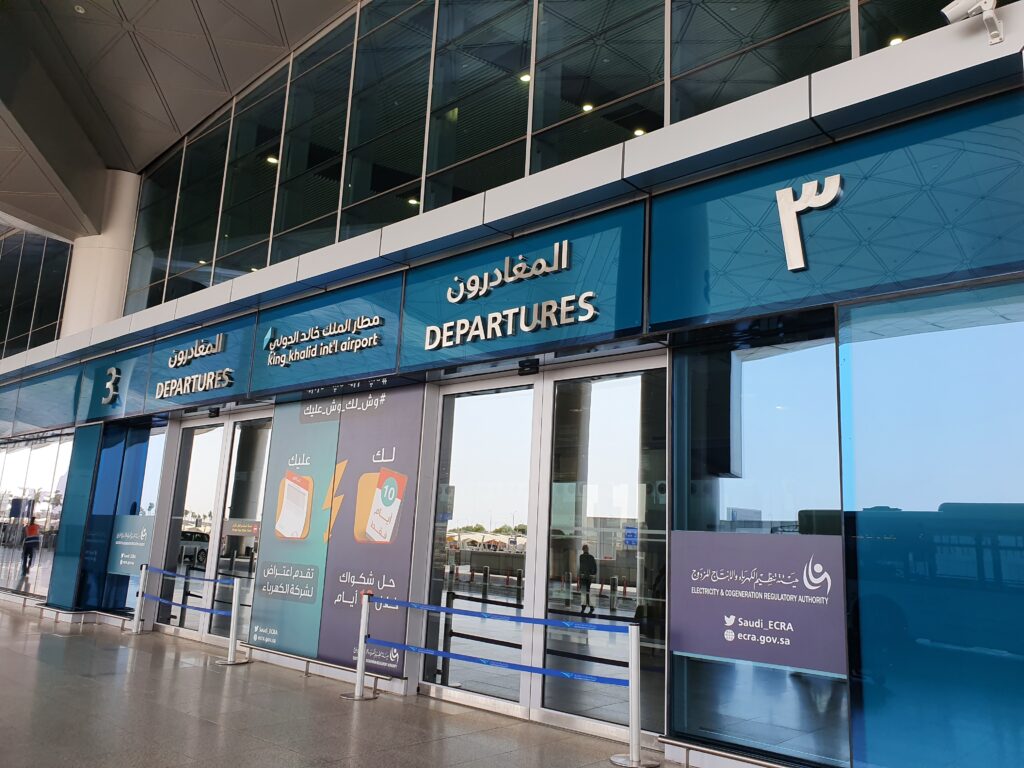
Saudi Arabia is not simply building hotels, resorts, or attractions. It is building an interconnected visitor economy in which access, spending, infrastructure, experience, and investor confidence reinforce one another. The Kingdom’s expansion of e-visa access to 66 countries is one example. On the surface, it is an administrative reform. In strategic terms, it is friction removal — a critical ingredient in tourism competitiveness.
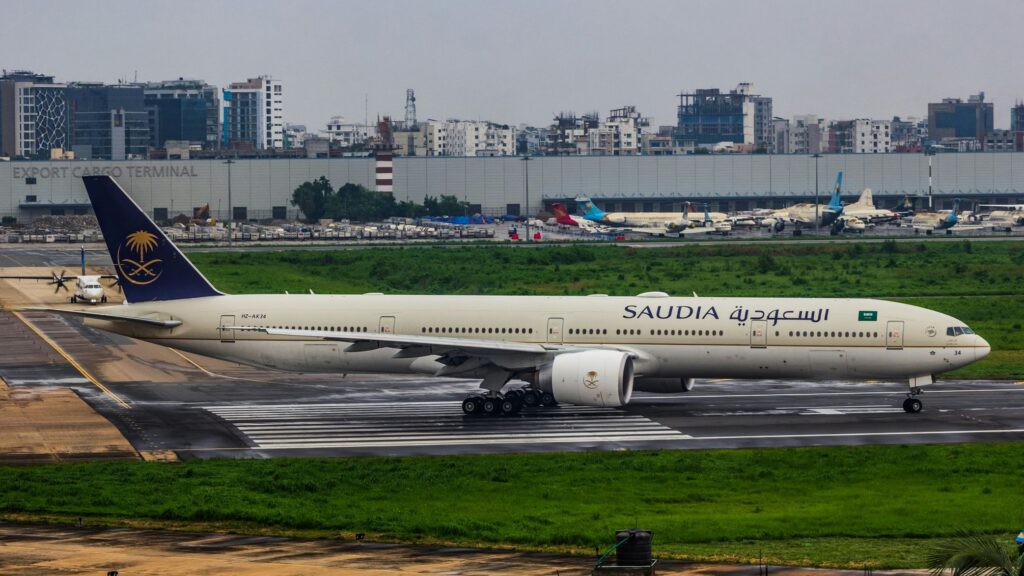
The global performance indicators reinforce the point. Saudi Arabia ranked third worldwide in the growth rate of international tourist arrivals in the first eight to nine months of 2024 versus 2019, exceeding 61%. That is not the profile of a market simply participating in recovery. It is the profile of a market outperforming the field.
Yet the Kingdom’s greatest advantage may not be its speed, its capital, or even its scale. It may be the consistency of intent behind all three.
For investors, operators, and international stakeholders, continuity is one of the rarest and most valuable assets in any transformation story. Saudi Arabia today offers something that global capital notices immediately: a clear national direction, reinforced by sovereign capability and sustained by leadership conviction. That combination reduces ambiguity. And when ambiguity declines, confidence compounds.
This is why Crown Prince Mohammed bin Salman’s role is so central to the tourism story. His significance is not merely that he endorsed tourism. It is that he repositioned it. He understood earlier than most that tourism could become more than a leisure industry; it could become a platform for economic diversification, global rebranding and long-horizon value creation. Under his leadership, tourism has become one of the clearest expressions of Saudi Arabia’s confidence in its own next chapter.
That is what gives the Saudi model its unusual prestige.
It is modern without being detached from identity. It is globally ambitious without appearing imitative. It is investment-led, yet strategically national in character. Religious tourism remains foundational, but the Kingdom is also broadening its proposition across culture, entertainment, coastal development, urban lifestyle, sports, and premium hospitality. This is not diversification for its own sake. It is portfolio thinking applied to destination-building.
And the next milestone is already in view. Vision 2030 communications now point to an ambition of more than 150 million visitors by 2030. If the present trajectory continues, Saudi Arabia will not simply join the front rank of global tourism markets. It will become one of the clearest modern case studies of how national vision, sovereign capital, and disciplined execution can transform tourism into a pillar of economic statecraft.
For the world of travel, investment, and destination strategy, the message is now unmistakable.
Saudi Arabia is no longer a market to watch from a distance. It is a market being built with strategic precision, financial depth, and historic confidence. And with tourism now formally embedded within PIF’s value-realization framework, the Kingdom has moved beyond signalling ambition. It is institutionalizing it.
That is why Saudi tourism matters.
Not because it is growing fast.
Not because it is investing heavily.
Not because it is attracting attention.
It matters because Saudi Arabia has understood something many nations still have not: tourism, when led with vision and executed with discipline, is not merely an industry.
It is a statement of national intent.