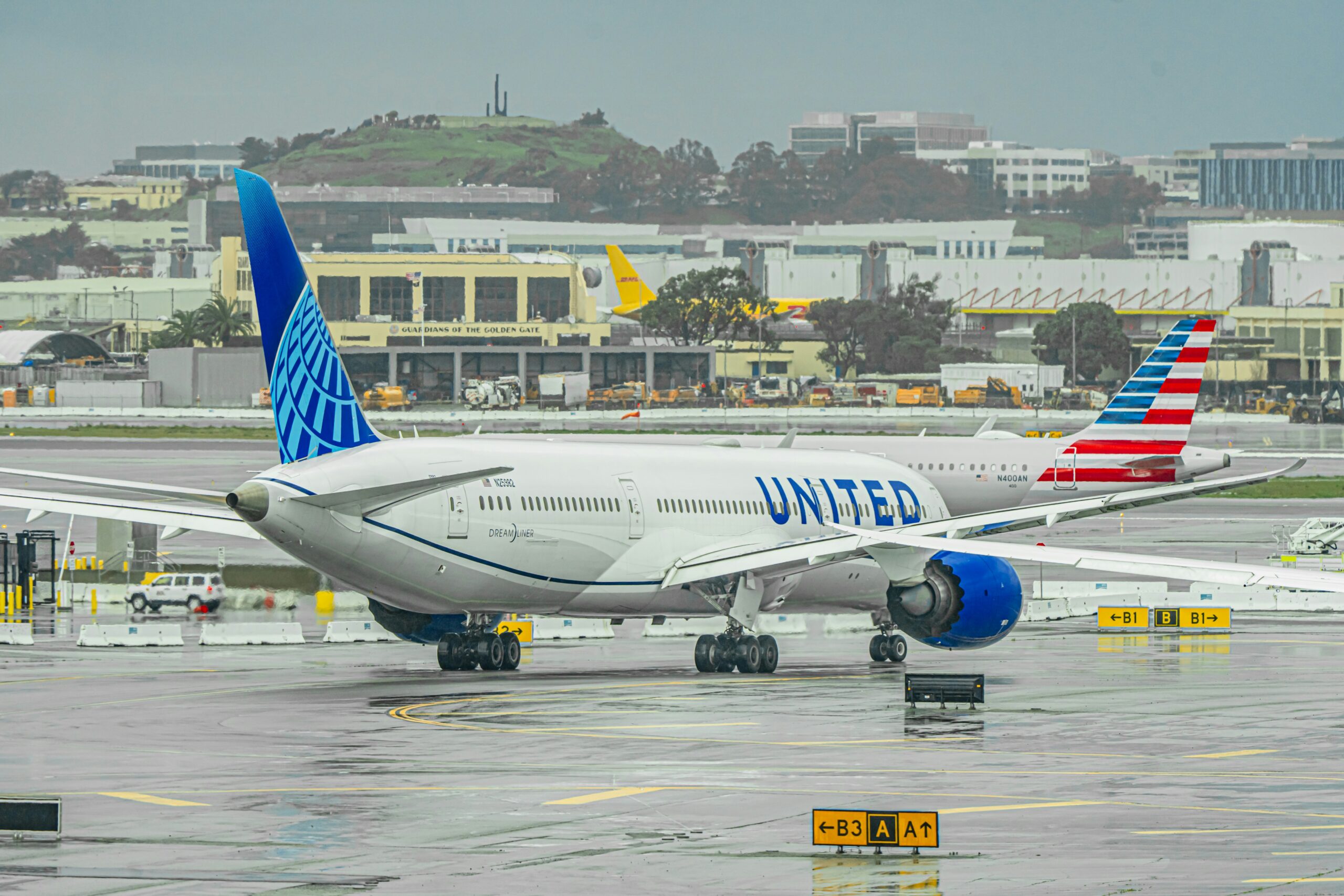



Two of the world’s largest airlines could join forces to create a super carrier capable of attracting more international passengers, according to Reuters reporting. The CEO of United Airlines, Scott Kirby, is said to have raised the prospect of a merger with rival American Airlines during a meeting with US President Donald Trump in February 2026.
United Airlines CEO Scott Kirby has proposed a potential merger with American Airlines Group, Bloomberg reports. pic.twitter.com/iB6OEgqezB
— Open Source Intel (@Osint613) April 13, 2026
Amid ongoing airline industry consolidation in the US, Transportation Secretary Sean Duffy has already indicated the Trump administration would not necessarily be against such a move, even though it would represent the largest corporate coupling in the aviation sector in the last ten years, placing almost 75% of US passenger capacity into the hands of just three carriers: a new United-American, Delta, and Southwest.
With jet fuel prices rocketing because of shortages caused by the Israeli-US-Iran hostilities in the Middle East, airlines around the world have had to cut flight schedules and rationalise fuel use. Kirby, however, has been hawkish about the crisis, arguing that United could “come out stronger on the other side” since having rivals in “tough situations” could present “an opportunity for United to maybe acquire some assets.” United is already said to be eyeing JetBlue which is seeking rescue packages due to bad debts.
While it’s not clear whether JetBlue’s debts are a step too far for United, a merger with American, whose financial position is less precarious and more in the realm of “underperformance,” would make a fearsome pairing. The duo would bring together American’s low fare domestic reputation and OneWorld Alliance partnerships with United’s superior on-time, long-haul performance and premium cabin services. Kirby has evoked this potential match previously, speaking of a desire to address the “trade deficit” between the US and foreign flag carriers in long-haul international seats to and from the United States and a mission “to create a great American airline that all Americans can be proud of that competes not just on schedules but on quality and product and service.”
Expert commentators are not so enamoured by the would-be United-American merger. Ganesh Sitaraman, director of the Vanderbilt Policy Accelerator, said it “proves how broken the airline industry is in America – and would be an absolute disaster for the flying public,” and added: “Fewer choices mean higher ticket prices, more fees, and fewer options for anyone who wants to get from point A to point B. Even the most permissive antitrust regulator should put their foot down at such a blatantly anticompetitive merger.”
Similarly, William McGee, a senior fellow for aviation and travel at the American Economic Liberties Project, described the idea as “undoubtedly the most absurd airline merger I’ve ever heard about.”
Monopoly Busters Caucus warning on a potential United-American merger:
— William J. McGee (@WilliamJMcGee) April 14, 2026
"They should also remember that there is no statute of limitations on breaking up bad deals. And in case it is not crystal clear, that is absolutely a threat to break up this merger should it ever happen."
Meanwhile, union representatives appear pragmatic. Dennis Tajer, the spokesperson for the Allied Pilots Association, with 16,000 American Airlines pilot members, reiterated “concerns regarding American Airlines’ financial, operational and customer service underperformance under the current management team” and emphasised: “We are always interested in and welcome ideas that will turn around our airline.”