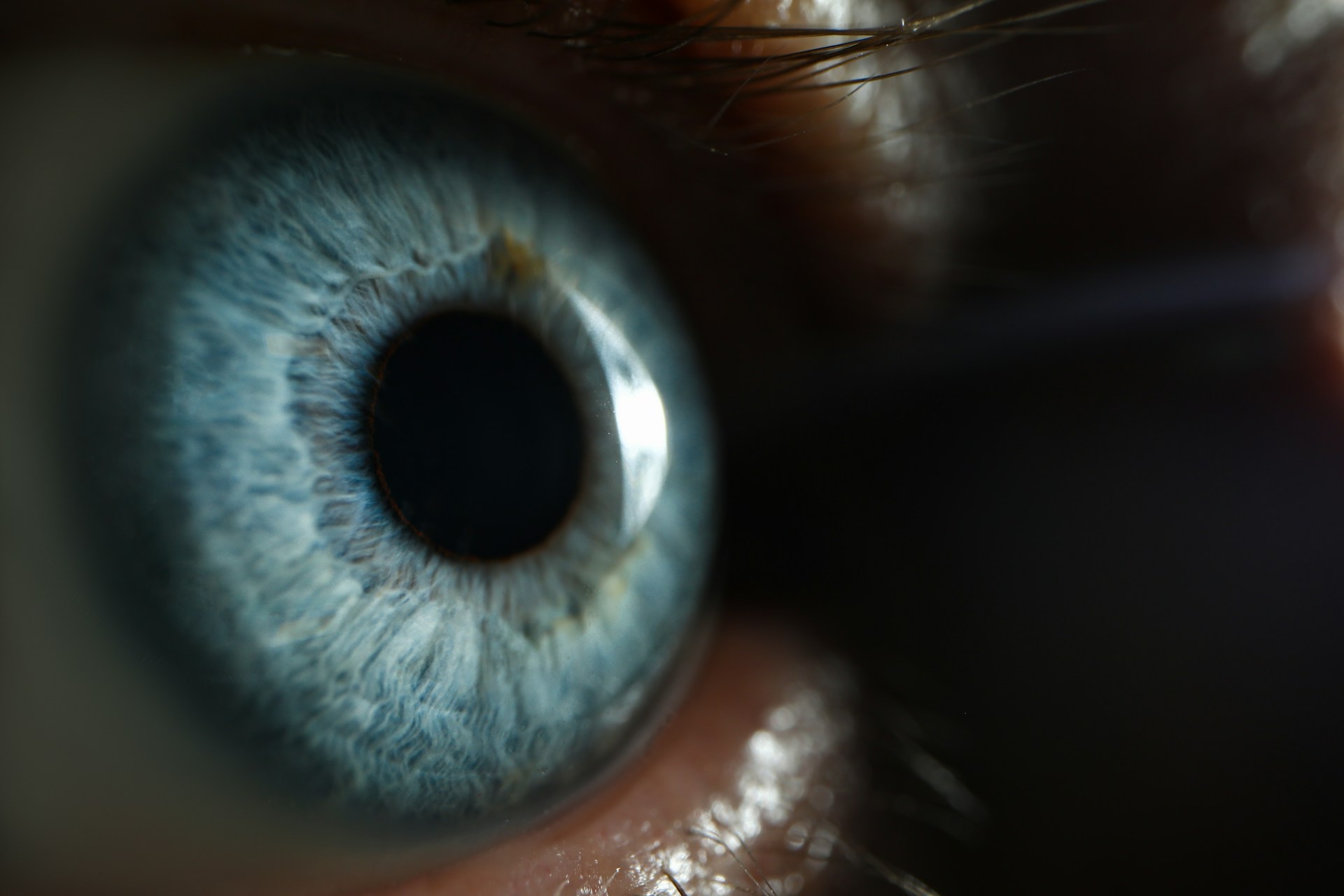



On the Indonesian island of Buton, some residents have an immediately striking characteristic: extraordinarily bright blue eyes that contrast with their darker skin and hair.
Located off the southeastern peninsula of Sulawesi, in Indonesia’s Southeast Sulawesi province, Buton Island is home to the Butonese people, an ethnic group with a long history shaped by maritime trade and the cultures of the Indonesian archipelago.
Photographs of blue-eyed Butonese children and adults have attracted international attention in recent years, particularly after being shared online. Some have two intensely blue eyes, while others display heterochromia, with one blue eye and one brown eye.
Behind their unusual appearance is a rare genetic condition known as Waardenburg syndrome.
A rare genetic condition
Waardenburg syndrome affects pigmentation and can result in very pale or bright blue eyes, differences in the colour of the two eyes, patches of lighter skin or hair, and, in some cases, congenital hearing loss.
The condition is estimated to affect around one in 40,000 people worldwide. Several different types of Waardenburg syndrome have been identified and the symptoms can vary considerably between individuals.
Photographs distributed by the Pacific Press Agency have documented members of a family from Buton Island whose blue eyes are attributed to Waardenburg syndrome. The images have helped draw international attention to a physical characteristic that remains extremely unusual in Indonesia, where brown eyes are overwhelmingly predominant.
Waardenburg syndrome can be inherited, although its genetics vary depending on the type involved. Several genes have been associated with the condition, and some forms follow an autosomal dominant inheritance pattern, meaning an affected parent can have a 50% chance of passing the altered gene to a child.
Importantly, however, blue eyes are not a characteristic of the entire Butonese population. They occur among certain individuals and families on the island.
Portuguese legends and the history of Buton
The appearance of blue eyes on Buton has also inspired stories linking the phenomenon to European ancestry.
Portuguese sailors and traders were active across the Indonesian archipelago during the spice trade, and local accounts tell of marriages between Portuguese visitors and members of Butonese society. One story claims that a Butonese princess married a Portuguese sailor, giving rise to descendants with European features.
However, contemporary explanations for the particularly striking blue eyes seen among some Butonese families focus on genetic mutations associated with Waardenburg syndrome rather than establishing European ancestry as their cause.
The history nevertheless reflects Buton’s position along centuries-old maritime trading routes connecting different parts of Southeast Asia and beyond.
One island in a vast archipelago
Buton itself covers approximately 4,727 square kilometres, making it one of Indonesia’s larger islands. According to Indonesia’s 2020 census figures, the administrative areas covering the island had a combined population of around 415,000 people.
Much of the island remains relatively sparsely populated compared with Indonesia’s major urban centres, while its communities maintain distinct languages, traditions and cultural practices.
The Butonese are historically known as sailors and traders, and their culture extends far beyond the physical characteristic that has attracted international attention. Traditional clothing, weaving, family rituals and Islamic customs continue to play an important role in communities across the island.
Indonesia is one of the world’s most culturally and linguistically diverse countries, encompassing thousands of islands and hundreds of ethnic and linguistic groups. The unusual blue eyes found among some inhabitants of Buton offer another striking example of the genetic diversity found across the vast archipelago.