


The remains of an ancient Roman bridge have emerged from the Tiber after weeks of dry weather caused the river’s water level to fall. Large stone blocks are now visible close to Vatican City, offering residents and visitors a rare look at a structure that is normally underwater. The roughly 2,000-year-old crossing is commonly known as Nero’s Bridge. Its remains were last visible during another period of drought in 2022.
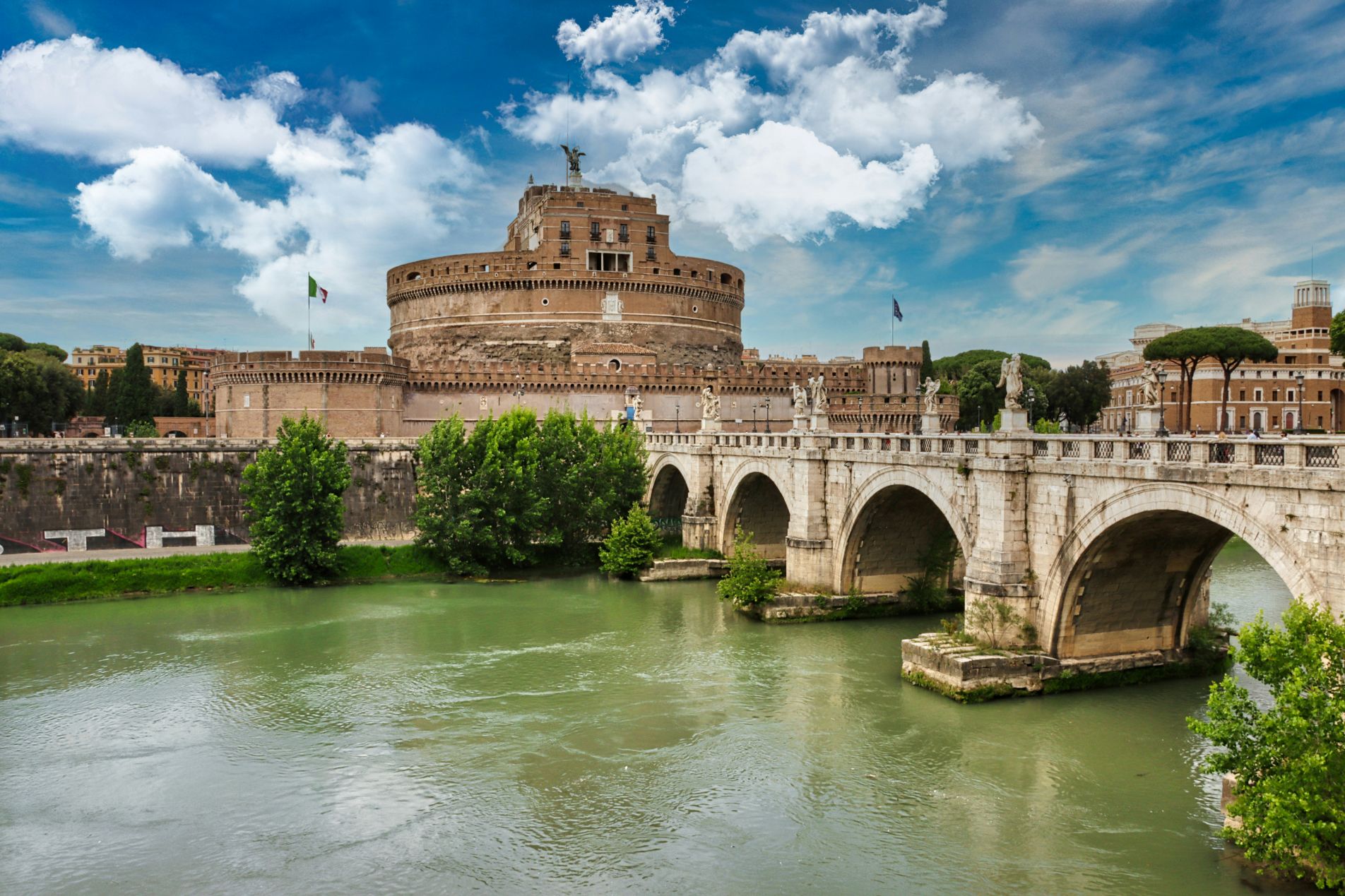
The bridge can reportedly be seen particularly well from Ponte Sant’Angelo, which crosses the Tiber beside Castel Sant’Angelo. Tourist boats are still passing close to the exposed stones, but the changing water level means the sight could be temporary. The ruins have not been newly discovered, although their reappearance gives archaeologists another opportunity to examine them. At the same time, the conditions that revealed the bridge point to a serious water shortage affecting Rome and other parts of Italy.
The bridge is traditionally called Pons Neronis or Pons Neronianus, both meaning Nero’s Bridge. However, archaeologists believe it may have been built before Emperor Nero came to power in 54 AD. One theory dates it to the reign of his uncle, Emperor Caligula, around 39 AD. This would make the famous name slightly misleading, even though Nero remains the Roman ruler most closely associated with the surrounding area.
Antonella Bonini, an archaeologist at Rome’s cultural heritage superintendence, said scholars believe Caligula may have ordered the bridge’s construction. It appears to have created a route towards the villa of Agrippina the Elder, Caligula’s mother. The bridge also passed near the circus first associated with Caligula and later with Nero. These links may help explain why the structure eventually became known by Nero’s name.
The crossing connected the ancient Campus Martius area on one side of the river with the area that later became Vatican City. The Circus of Nero once stood near the site of today’s St Peter’s Basilica. According to Christian tradition, Saint Peter was martyred in this area during Nero’s reign. The bridge would therefore have formed part of an important route between central Rome and a district that later became one of Christianity’s most significant locations.
By the end of the third or beginning of the fourth century, the bridge was probably no longer in use. It was no longer included in Roman registers listing the city’s main monuments from that period. Those records instead referred to Pons Aelius, the bridge now known as Ponte Sant’Angelo. Emperor Hadrian had built that crossing to connect his mausoleum, today’s Castel Sant’Angelo, with the centre of Rome.
A cool tidbit of information…the bridge just left of Bernini’s “Ponte Sant’Angelo” overlooks the ruins of the Emperor Nero’s bridge (yes, the guy who “fiddled while Rome burned”)!
— Bree A Dail (@breeadail) October 5, 2023
You can see the ruins at the left bottom corner in this photo.
Nero’s bridge led to his circus,… pic.twitter.com/bLfdLBTEfw
The bridge has become visible because the Tiber is going through an unusually severe period of low water. Its flow through Rome has dropped below 80 cubic metres per second. The historical average is around 150 cubic metres per second, according to Giovanni Giganti, Rome’s civil protection coordinator for water management. This means that less water is currently moving through the city than would normally be expected.
The shortage has been linked to scorching temperatures and long periods without rain during the summer. Italy received considerable rainfall during the previous winter, but this was followed by extended dry spells. Limited snowfall in the Apennine Mountains has also contributed to the problem. Snow normally stores water during winter before melting and feeding rivers and underground water supplies during the warmer months.
The low water has exposed more than ancient remains. E-bikes, scooters, refrigerators and even a car have reportedly appeared in or around parts of the river further upstream. The objects create a striking contrast with the Roman stones near the Vatican. While archaeologists can study a piece of the city’s past, the modern waste highlights the continuing pressure placed on the Tiber today.