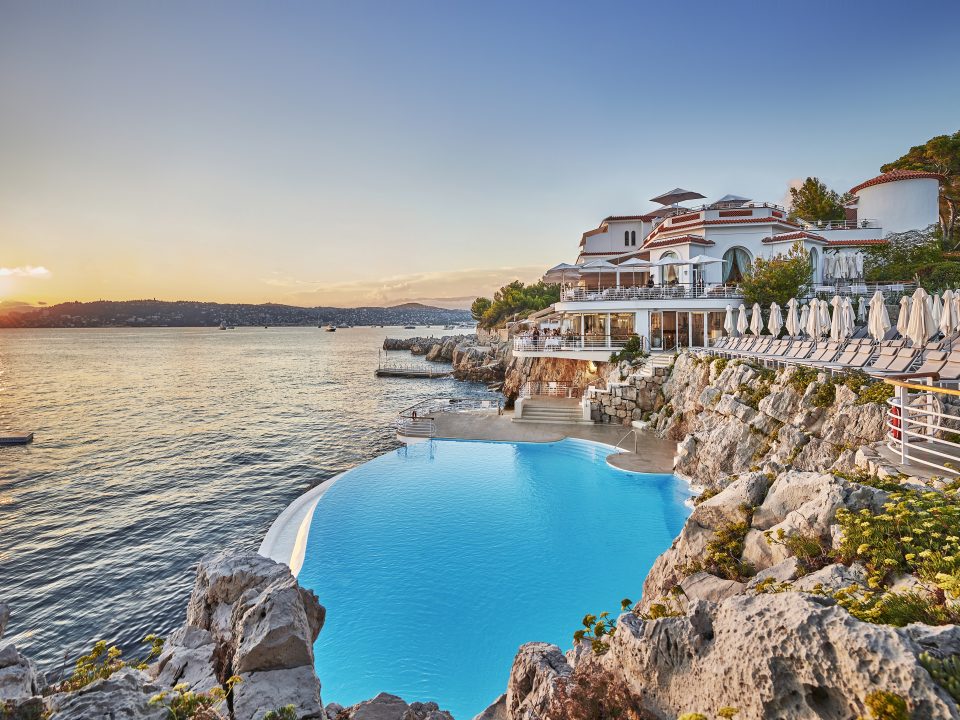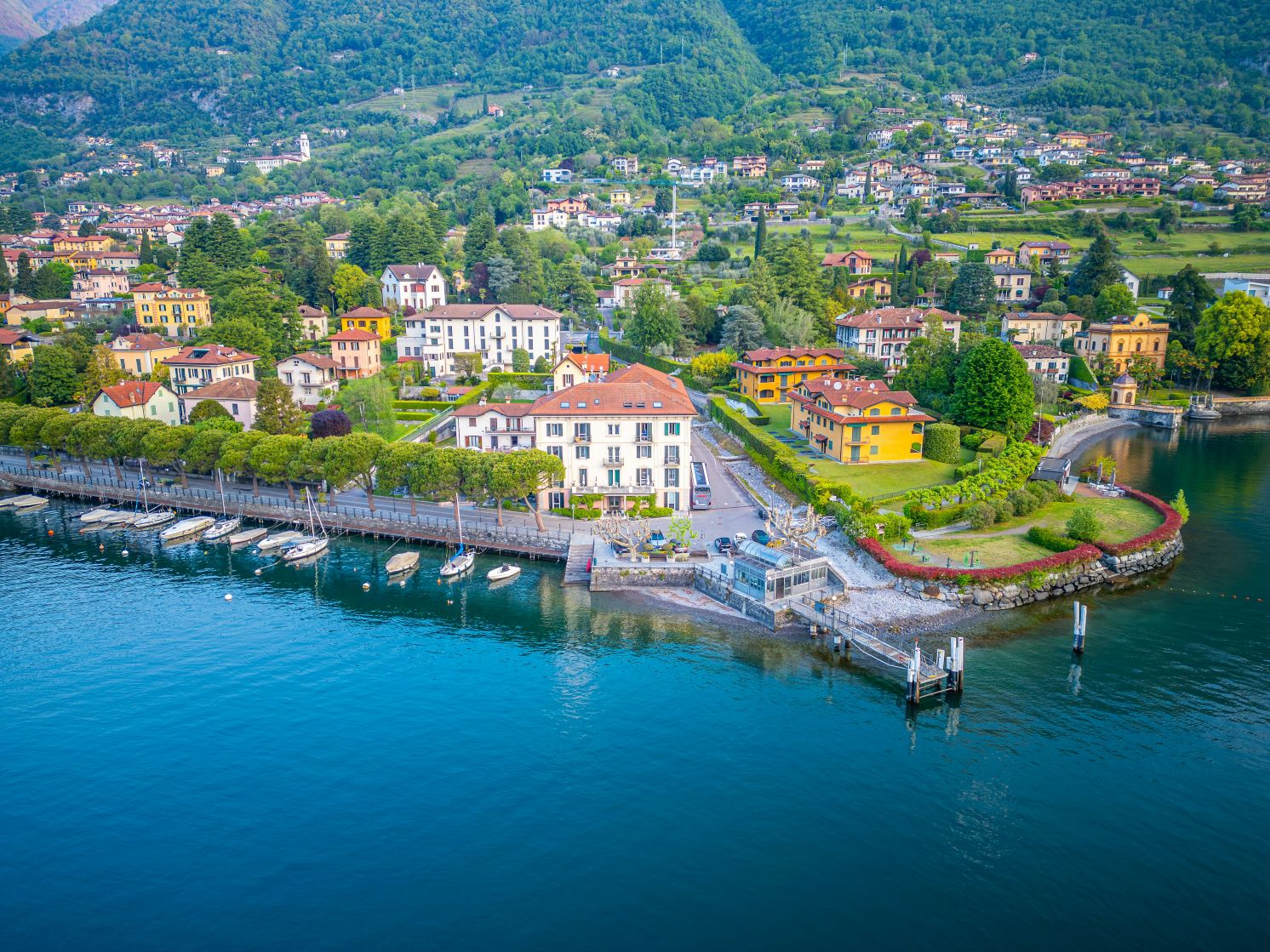



Italy’s luxury tourism segment has grown in value over the last two decades, recording twice as many stays in the nation’s five-star hotels in 2025 than in 2008, a study by Demoskopika shows.
Italy’s visitor economy is famously booming so much that some destinations, such as Venice, have become bywords for overtourism. But the luxury market is outstripping the rest, by far. Over the 17-year period looked at, stays in luxury hotels increased by 111.1% while hotel stays overall only grew 14.5%.
And that increase translates into big spending. Five-star and luxury hotels raked in €10.4 billion in 2025, amounting to over 17% of total hotel turnover. Every single night a tourist stays in a luxury hotel generates €702, more than three times as much as the average hotel raises per night.
Foreign guests, not domestic travellers, are the ones filling up the majority of those rooms, responsible for 77.7% of overnight stays in 5-star hotels, an increase of 7.5% year-on-year.
That perhaps helps to explain why the revenues are so unevenly spread across the country. Italy’s premium hospitality segment is concentrated in cities listed as Rome, which provides the venue almost 20% of high-end overnight stays, alongside Bolzano, Venice, Florence, and Milan, which together represent 53.4% of luxury overnighters. Altogether, 17 major hubs account for 79.2% of luxury overnight stays.
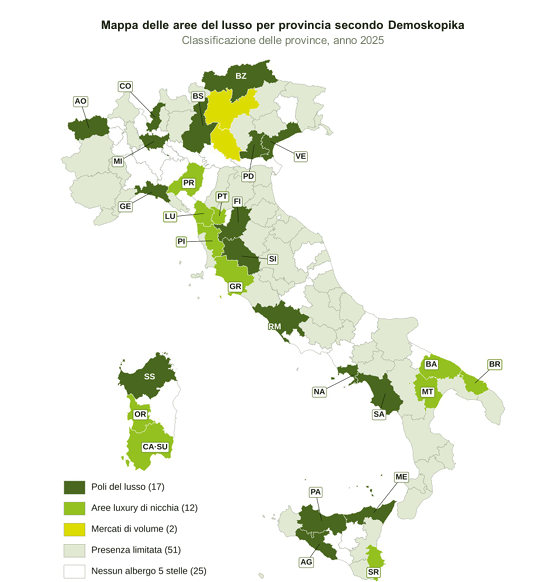
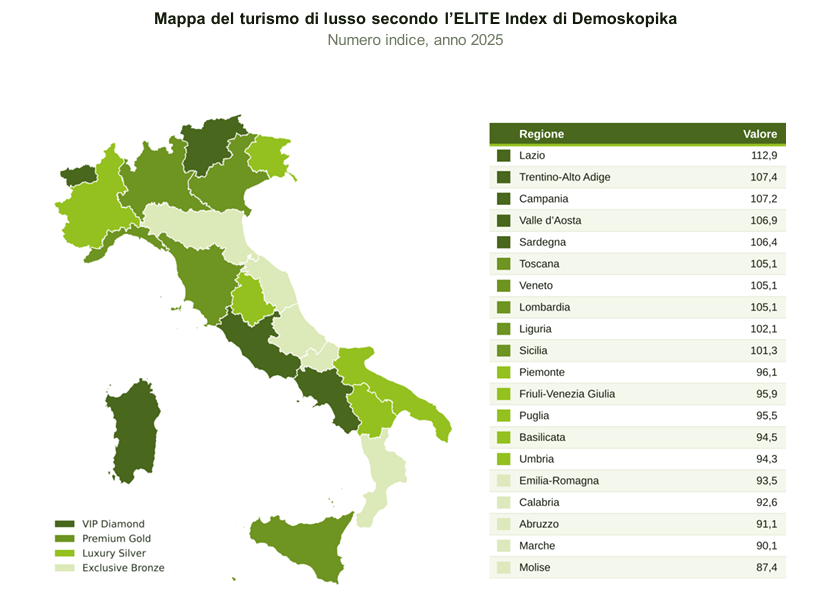
Regionally Lazio, Trentino-Alto Adige, Campania, Valle d’Aosta, and Sardinia dominate the segment. Contrast that with the 25 Italian provinces that do not possess any five-star establishments at all.
Still, the segment is growing, adding 38 more luxury hotels in 2025 than existed the previous year, taking the total to 809 establishments. And, despite all the talk of overtourism, there is room for more success, the study argues. Italy (535 million), Spain (513 million), France (472 million), and Germany (440 million) top Eurostat’s list of overnight stays per country, totting up 60% of the European Union total. But Italy, at 9.1 has fewer visitor nights per inhabitant than Spain (10.4), and, if it can channel more visitors, especially from Germany, the United States, and the UK at the top of the source market spenders, towards the luxury end of the market, it still has a lot to gain.
Extending the Italian season, particularly in southern Italy, is part of the answer to luxury hotel capacity issues, Demoskopika suggests, noting that their bed occupancy can be lower than the national average of 37.1%. But pulling visitors in beyond the high season, as noted at this week’s Global Tourism Forum, means giving them not only the transport means to get there, but also the services and cultural calendar to match.