

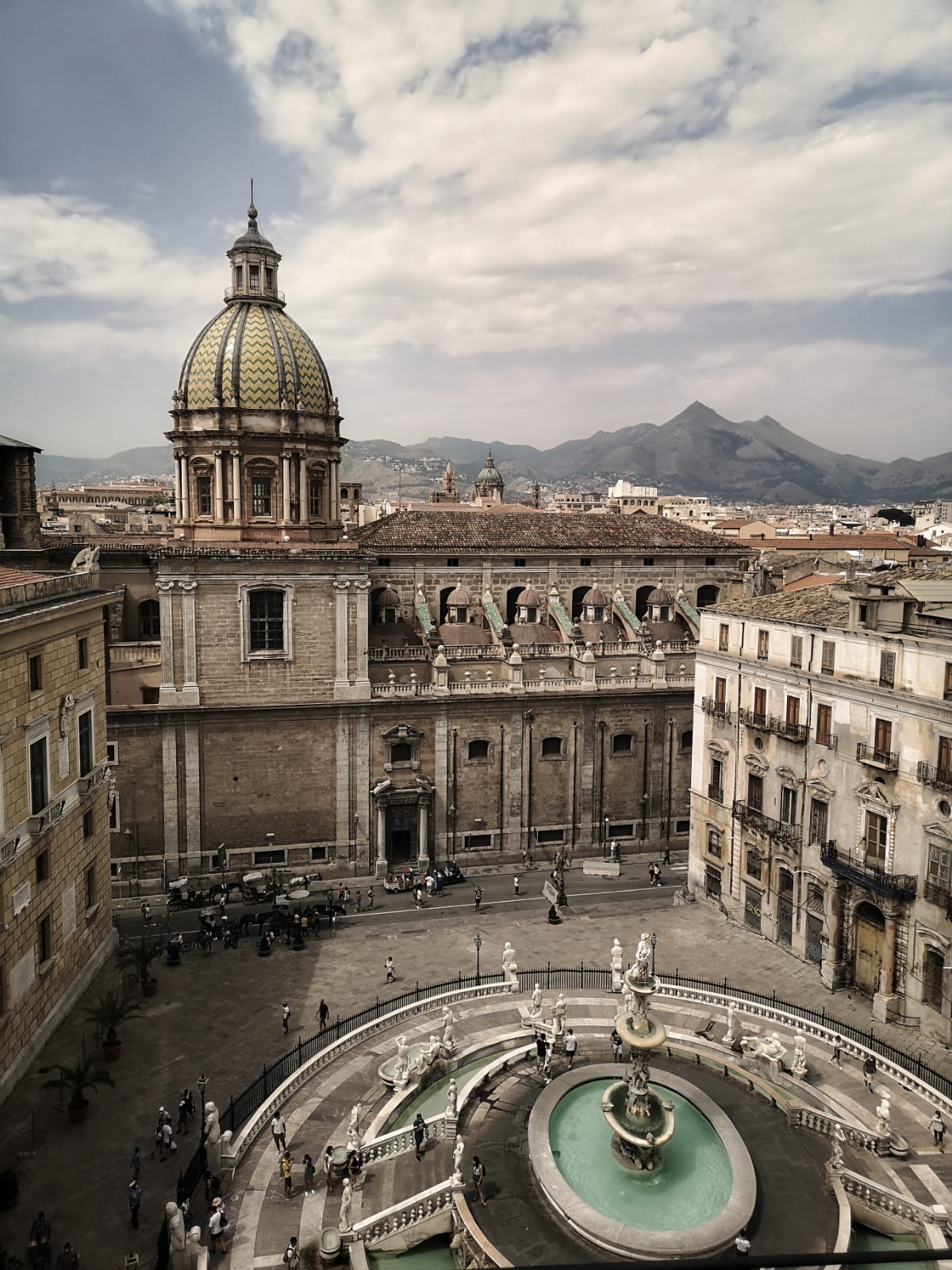
If you are looking for a tasty destination for your next trip, Palermo should be high on your list. Ancient Greeks, Arabs, Normans and Bourbons have all left their mark on the city over the centuries, blending cultures, flavours and traditions and turning the capital of Sicily into a unique city to discover.
Palermo is famous not only for its artistic heritage, but also for its outstanding pastries, whose flavours often reveal the influence of the Middle East and the many cultures that have shaped Sicily.
Those who love desserts more than anything else should definitely try these five Sicilian specialities that are not to be missed.
1. The Sicilian “Cannolo”
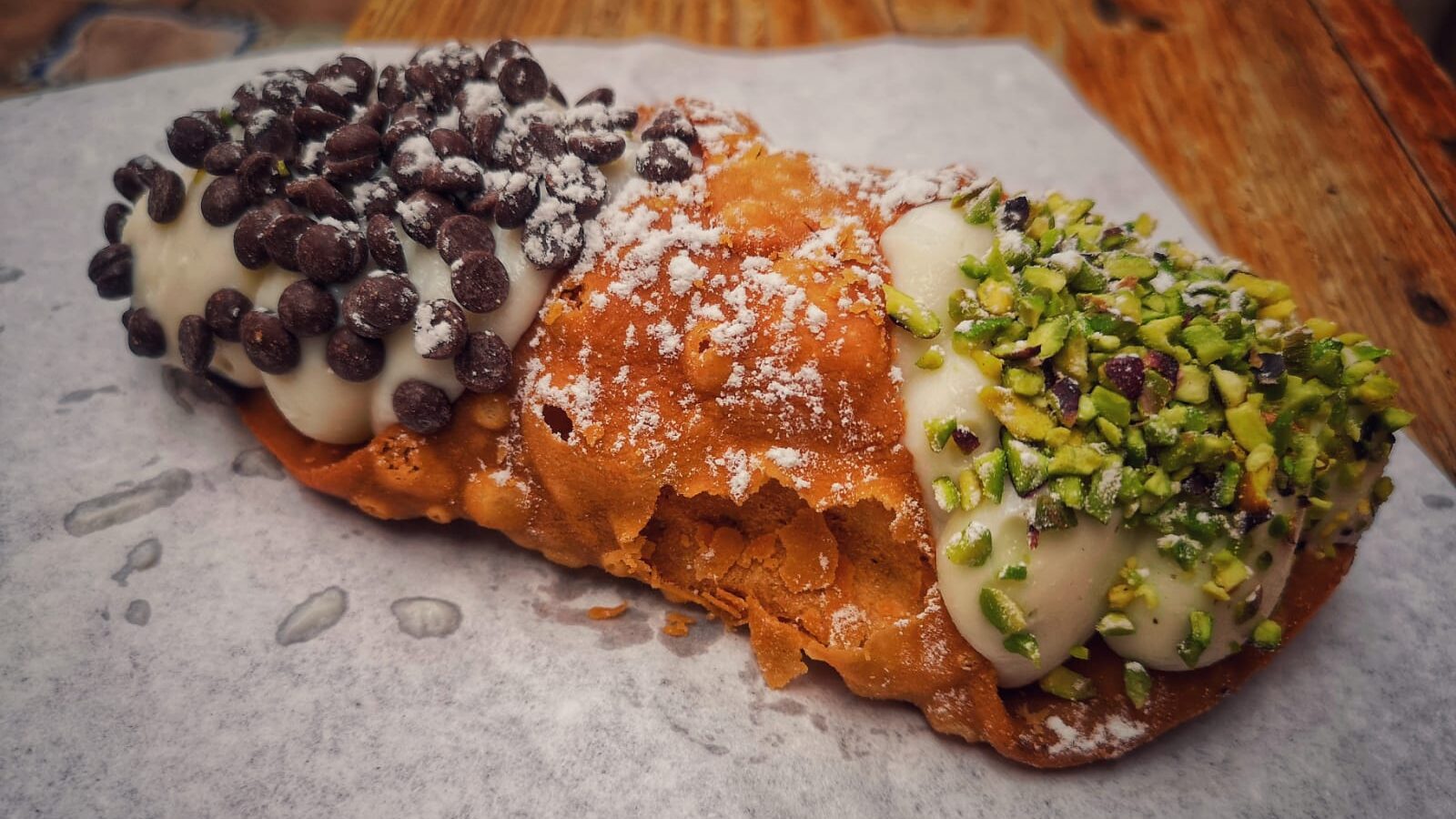
The “cannolo” is one of the ultimate symbols of Sicilian pastry. There are several variants, but the classic version consists of a crisp, fried pastry shell filled with sweet sheep’s milk ricotta and often finished with chopped pistachios.
Its origins are debated, but one popular theory traces the cannolo back to Sicily’s period under Arab rule, between the 9th and 11th centuries. According to tradition, an early version was prepared by women in Caltanissetta, possibly within the harems of local emirs, combining ricotta with ingredients such as almonds and honey. Following the end of Arab rule, the recipe is believed to have been preserved and developed in convents, eventually becoming the Sicilian classic known today.
Cannoli can be found in pastry shops throughout Palermo, but for the best experience, look for those that are filled with ricotta only when ordered, keeping the shell perfectly crisp.
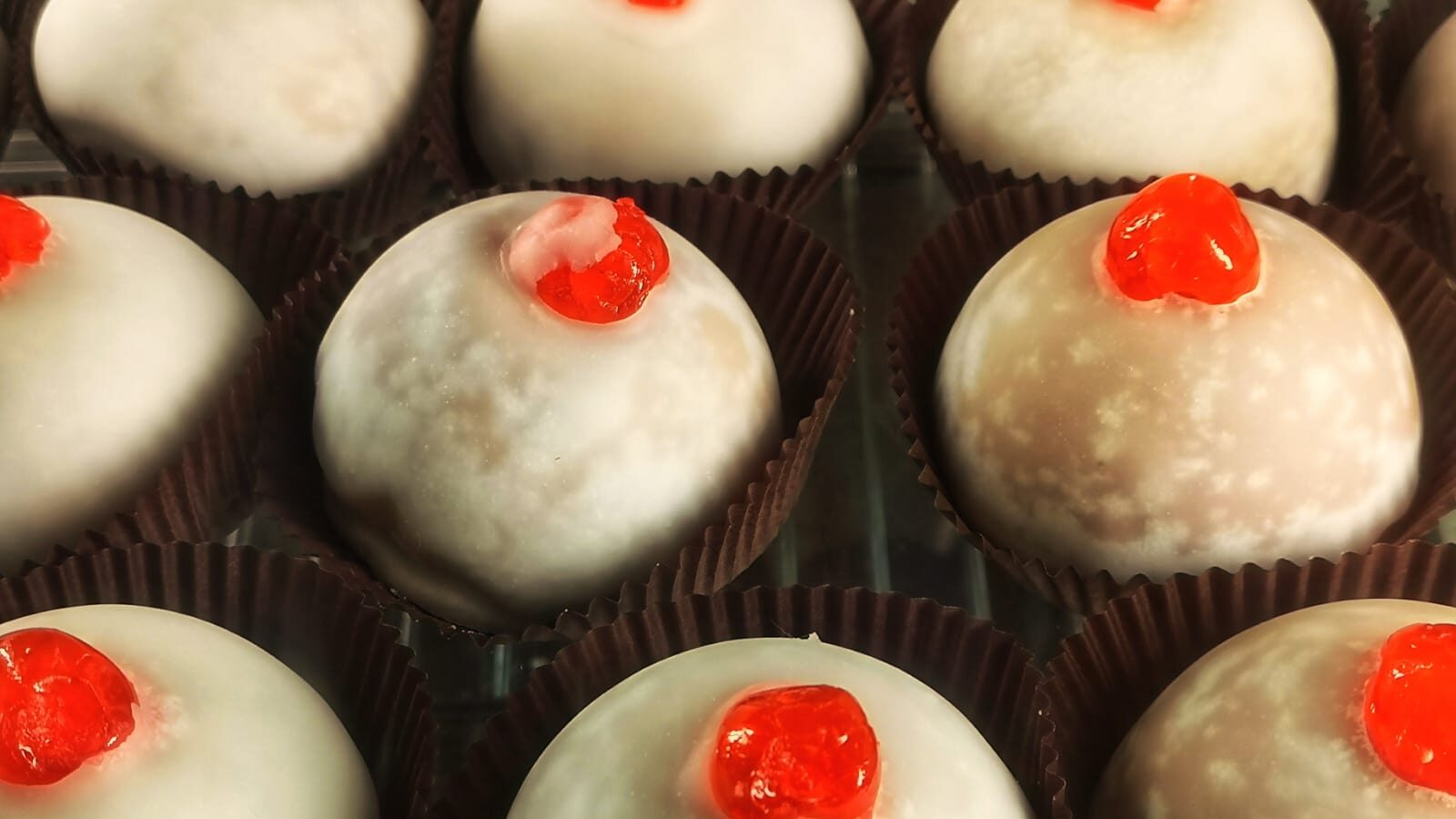
2. The “Minne di Vergine” or Saint Agatha’s tits
The shape of this dessert resembles a small breast. Traditionally made from sponge cake, ricotta and marzipan or icing, different versions can include chocolate chips, candied fruit and a bright red candied cherry on top.
The breast-shaped pastries are closely associated with Saint Agatha, the patron saint of Catania, whose martyrdom has made them one of Sicily’s most distinctive religious sweets. According to Christian tradition, the young Agatha was tortured after refusing the advances of a Roman prefect and had her breasts cut off. The pastries subsequently became associated with the saint and are particularly prominent during celebrations surrounding her feast day in February.
Small, rich and unmistakably Sicilian, they make an ideal sweet break during a day of sightseeing.
3. The “Trionfo di gola” (Triumph of gluttony)
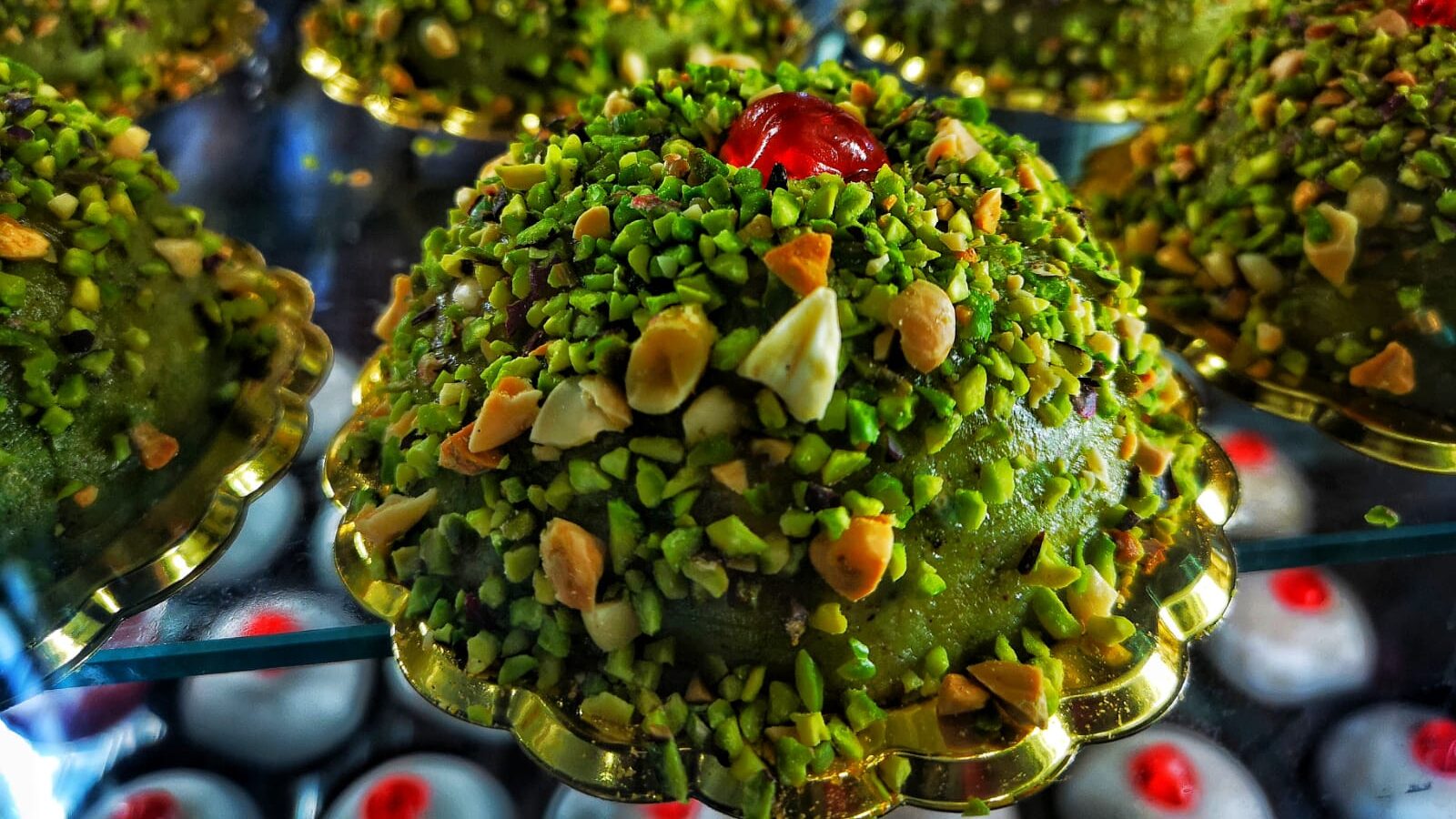
The name says it all: this elaborate Sicilian dessert is an unapologetic celebration of sweetness.
Recipes vary, but the Trionfo di gola typically combines layers of sponge cake, ricotta cream, custard, marzipan, jam, pistachios and candied fruit. The result is colourful, extravagant and intensely rich, bringing together many of the ingredients that define traditional Sicilian pastry-making.
The “Trionfo di gola” is a complex dessert that takes time and skill to make. It is closely associated with Sicily’s historic convents and aristocratic culinary tradition, when elaborate desserts were prepared for wealthy families and special occasions.
It may not be the lightest option on the menu, but that is precisely the point.
4. The “Genovesi”
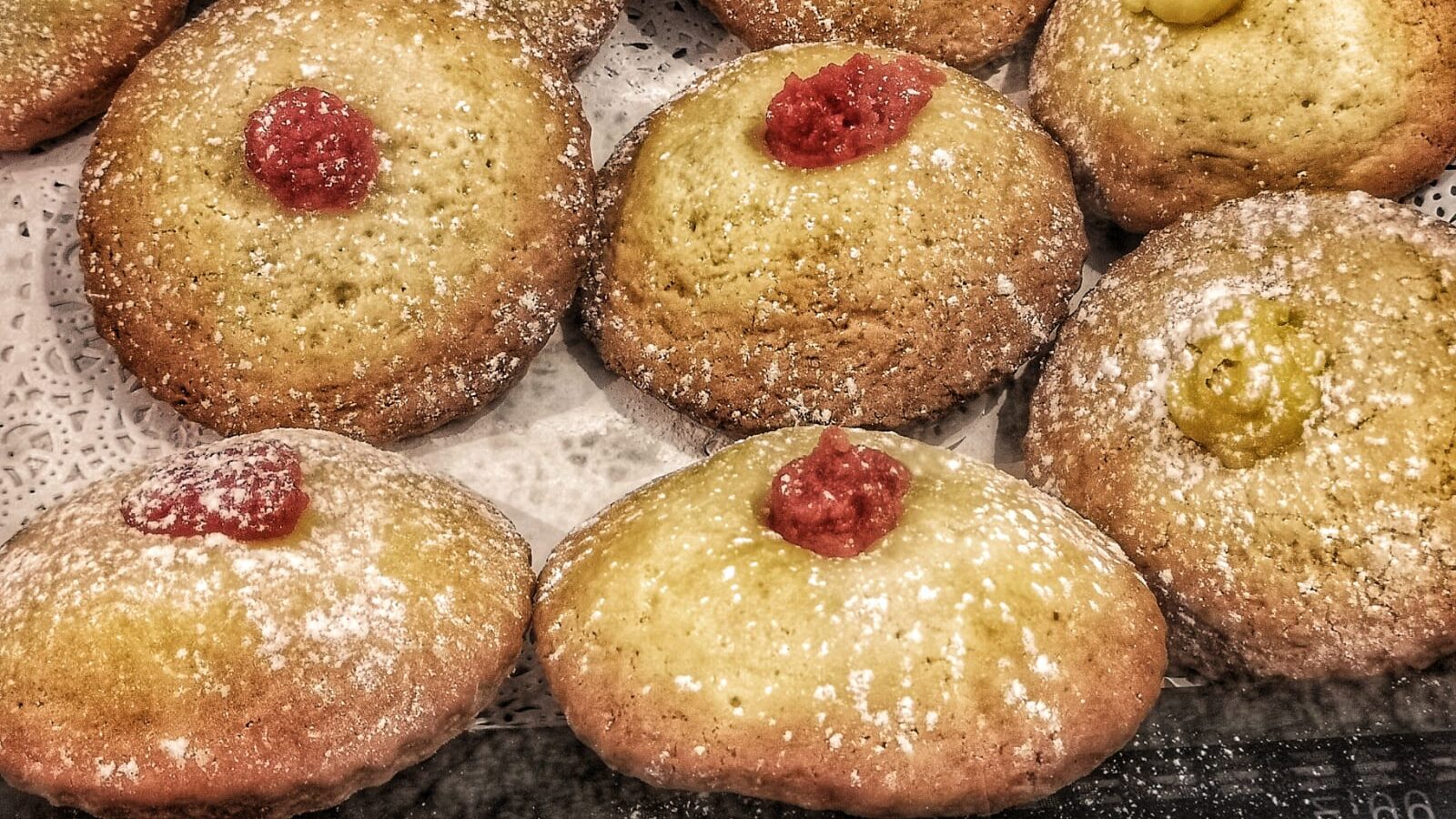
Genoa or Palermo? The name of this dessert might suggest a Ligurian origin, but the genovese is firmly rooted in western Sicily. This simple but delicious pastry consists of a shortcrust shell traditionally filled with custard or ricotta and baked until golden.
The pastry is particularly associated with the hilltop town of Erice, near Trapani, where it has become one of the area’s best-known specialities. Several theories attempt to explain its curious name, including one linking its shape to the hats once worn by Genoese sailors who traded along Sicily’s western coast.
Whatever the origin of the name, eaten warm with a dusting of icing sugar, the genovese is one of Sicily’s simplest pleasures.
5. The Sicilian “Cassata”
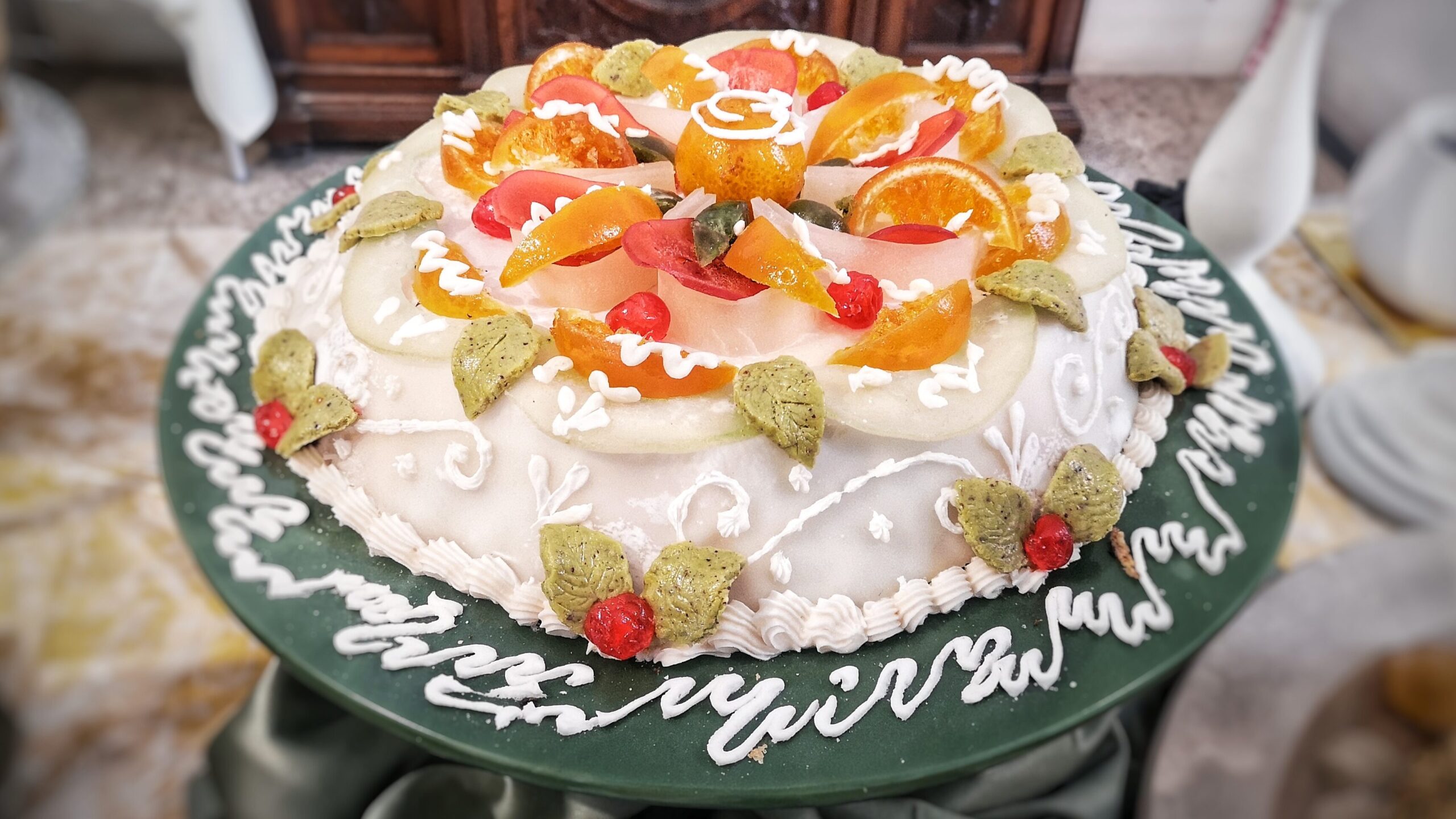
Together with the “cannolo”, cassata is one of the undisputed icons of Sicilian pastry. Its origins are generally linked to Sicily’s period under Arab rule, when ingredients such as sugar cane, citrus fruits and almonds became increasingly important in the island’s cuisine. An early version is thought to have combined sweetened sheep’s milk ricotta with pastry or dough.
Over the centuries, the dessert continued to evolve. By the 18th and 19th centuries, Palermo’s pastry-making tradition had transformed cassata into the colourful creation recognisable today, combining sponge cake, sweetened ricotta, marzipan, icing and elaborate decorations of candied fruit.
The result is one of Sicily’s most spectacular desserts: colourful, intensely sweet and almost too beautiful to cut.
And there is one particularly atmospheric place in Palermo where visitors can discover several of these traditional flavours: the Monastery of Santa Caterina d’Alessandria, right in the historic centre.
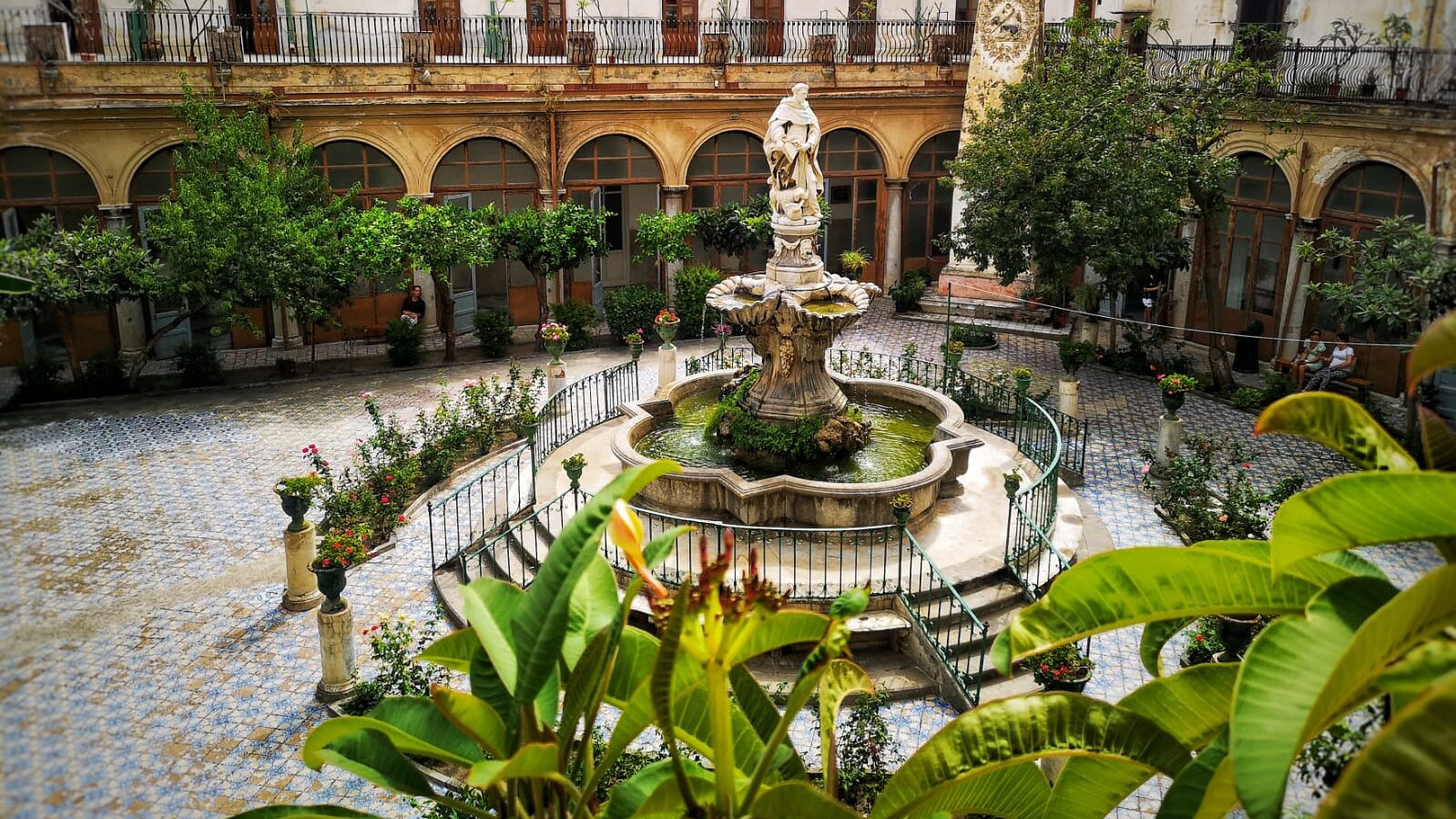
Its former convent houses I Segreti del Chiostro, a pastry shop dedicated to preserving Sicily’s historic confectionery traditions. Cannoli, cassata and other traditional sweets are prepared following recipes associated with the island’s convents, offering visitors the chance to taste a centuries-old side of Sicilian culture.
Between its cloisters, churches, bustling streets and irresistible pastries, Palermo is a destination where discovering the city’s history can be as simple as ordering dessert.