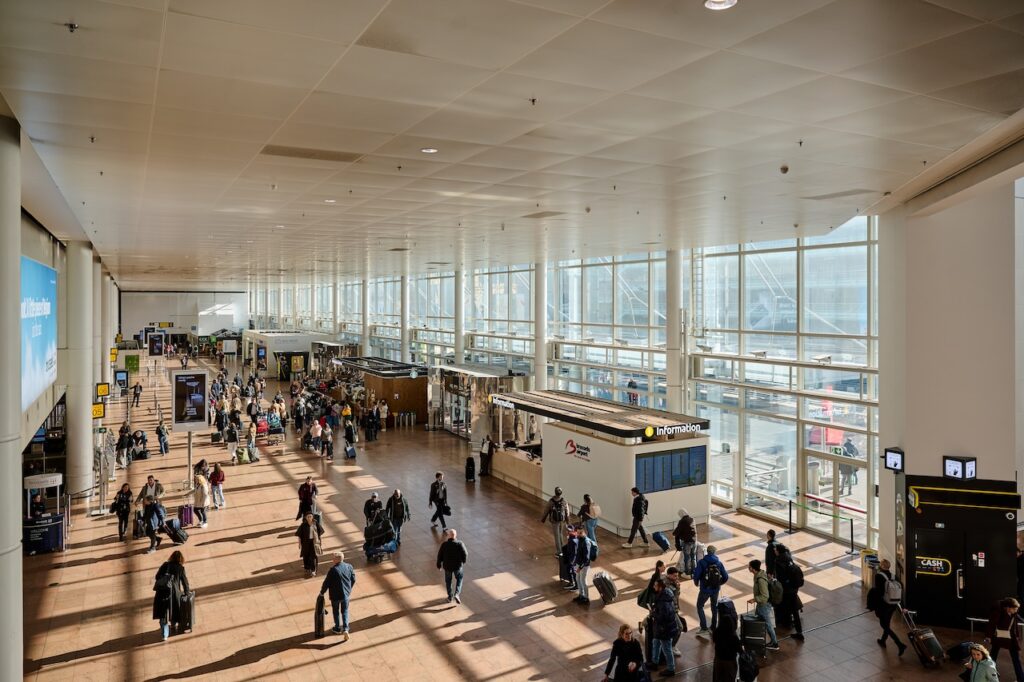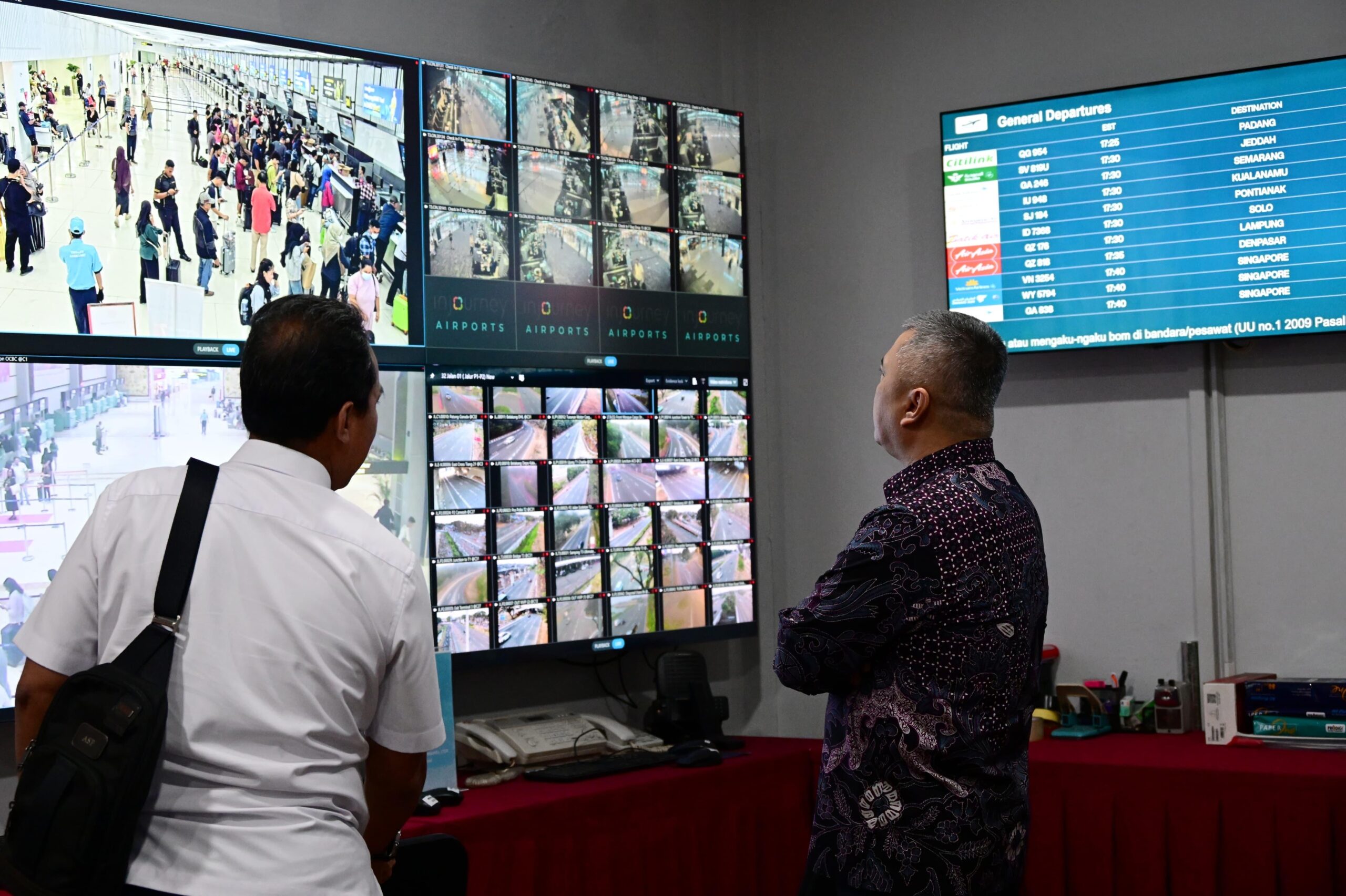



Indonesia has reopened five airports after the eruption of Anak Krakatau disrupted nearly 3,000 flights and left more than 340,000 passengers stranded.
The volcano began erupting late on Friday, producing lava fountains and sending a giant plume of ash across the region. Jakarta’s Soekarno-Hatta International Airport was among those forced to suspend operations before reopening shortly after midnight on Tuesday, 8 September.
Indonesia’s Transportation Ministry has guaranteed full refunds for passengers affected by flight cancellations due to the volcano. Refunds are expected to be processed digitally.
Five alternative airports in Kertajati, Semarang, Juanda, YIA (Yogyakarta) and Solo, as well as free ground transportation to them, were made available to airlines and passengers. However, more than 340,000 passengers were affected, and nearly 3,000 flights were disrupted during the closures.
Despite the reopening of the airports, the situation continues to be closely monitored. Anak Krakatau erupted three more times on Tuesday, and experts from Indonesia’s Geological Agency have cautioned that “the probability of further eruptions in the coming periods remains high”.
“We cannot ascertain when this will end due to the dynamic weather,” Transport Minister Dudy Purwagandhi said. During the closures, authorities carried out tests every 30 minutes to monitor whether the ash was spreading or subsiding.
The volcanic island of Anak Krakatau… erupted for 30 seconds at 3:53 a.m. Sunday and for 16 seconds about three hours later, Indonesia's Geological Agency said. This activity forced temporary flight suspensions and cancellations at several airports, including around Jakarta.… pic.twitter.com/FcEy1FuYdJ
— Thronelight Studios (@solutionfield) September 8, 2026
Anak Krakatau translates as “Child of Krakatoa”, in reference to the island that emerged from the ocean within the caldera formed when the original Krakatoa volcanic island was largely destroyed by a catastrophic eruption in 1883. It is located in the Sunda Strait, halfway between the islands of Java and Sumatra. The volcano’s partial collapse in 2018 triggered a tsunami that killed more than 400 people and left thousands displaced.
The cloud of volcanic ash produced by the latest eruption soared to around 6,000 metres on the Java side and 15,000 metres on the Sumatra side. It also stretched into the western Javan province of Banten, according to Indonesia’s meteorological agency BMKG.
🌋 Krakatau’s Fury Grounds 170k Passengers
— RT_India (@RT_India_news) September 7, 2026
The fallout from the volcanic eruption is still being felt on Monday, with eight Indonesian airports remaining shut and around 1,558 flights cancelled or delayed. (Reports)
Jakarta’s main airport is set to remain closed until 6 pm… pic.twitter.com/s789r0jxW8
Volcanic ash is a major safety hazard for aircraft because their engines can take in silicate particles that melt into a glass-like substance under extreme heat and fuse onto turbine components, potentially damaging critical systems, restricting airflow and causing engines to lose power.
Shipping traffic has also been disrupted in the Sunda Strait, where authorities have put in place a three-kilometre exclusion zone around the volcano. People have been urged to stay away because of the danger presented by further volcanic activity, although authorities have confirmed that there is currently no tsunami warning.
📹 Indonesia Reopens Airports, But Volcano Is Still Erupting
— RT_India (@RT_India_news) September 8, 2026
Fresh eruptions from Anak Krakatau on Tuesday have kept authorities on alert, with two airports still shut and the volcano remaining at its second-highest warning level. https://t.co/zqhLPPcliK pic.twitter.com/rzb2Jl1VYk
People in affected areas have also been advised to wear masks to protect their airways from volcanic ash, which contains abrasive particles of rock and minerals. In the short term, these can irritate tissues, causing a runny nose, sore throat and breathing difficulties. Longer-term or repeated exposure can pose a greater risk, particularly for people with existing respiratory conditions.
Anyone exposed to volcanic ash is advised to avoid strenuous activity, move to cleaner air as soon as possible, rinse their mouth and nose with clean water and monitor their breathing, seeking medical attention if they experience severe respiratory distress.