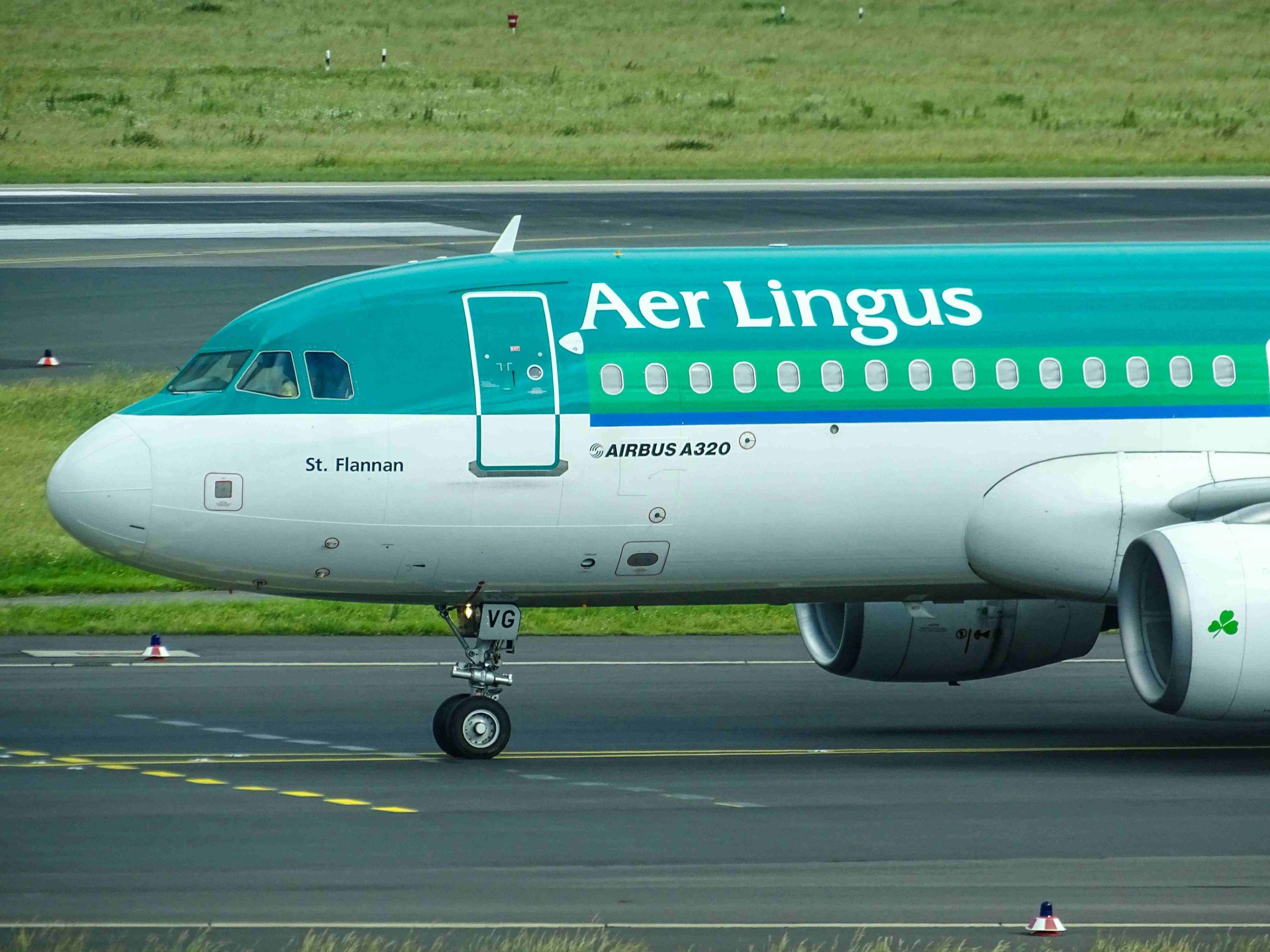


An Aer Lingus flight from Dublin to Rome was rerouted to France on Thursday morning, 5 November, after a suspected bomb threat. French military aircraft escorted the Airbus to the Évreux air base, west of Paris. It was one of at least 15 flights across Europe hit by hoax threats in a day, the third wave of alerts in one week.
The aircraft landed safely at Évreux. According to the French prime minister’s office, all 151 passengers and six crew members were taken to safety while bomb disposal teams inspected the plane. Aer Lingus said it would work to get passengers to their final destination as quickly as possible.
Aer Lingus flight #EI402 (Dublin – Rome) is diverting to Evreux Fauville Air Base, with squawk 7700. https://t.co/acg3BCwzKM
— Flightradar24 (@flightradar24) November 5, 2026
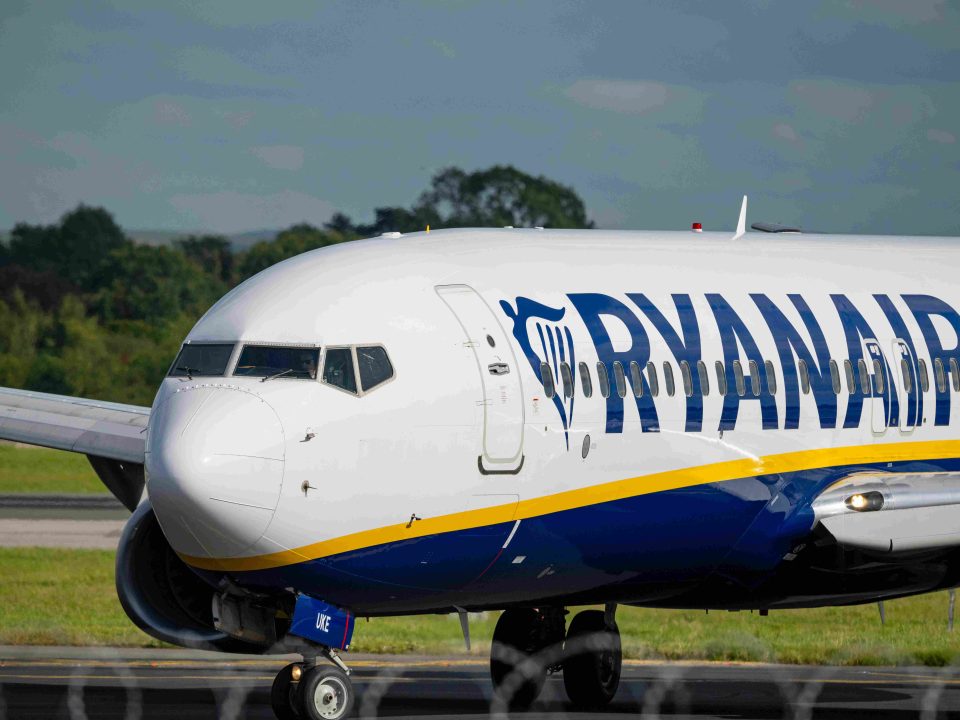
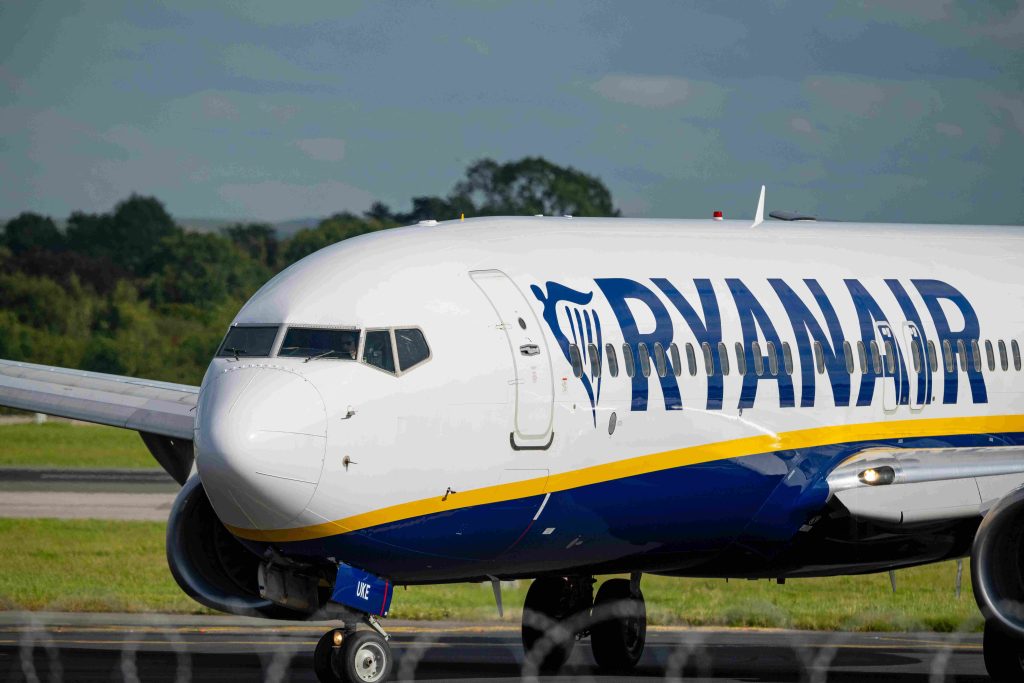
The threats mainly targeted low-cost carriers and flights to or from Bulgaria, Czechia and Italy. In Bulgaria, three Ryanair flights bound for Sofia, from Madrid, Copenhagen and London Stansted, were escorted by fighter jets. The London flight was diverted to Plovdiv. In Prague, four flights operated by Ryanair, easyJet and Sky Express received threats sent by email from anonymous addresses, according to the airport. No explosives were found. “We perceive the credibility of the threats as low,” Czech police said, adding that all necessary security measures had nonetheless been activated.
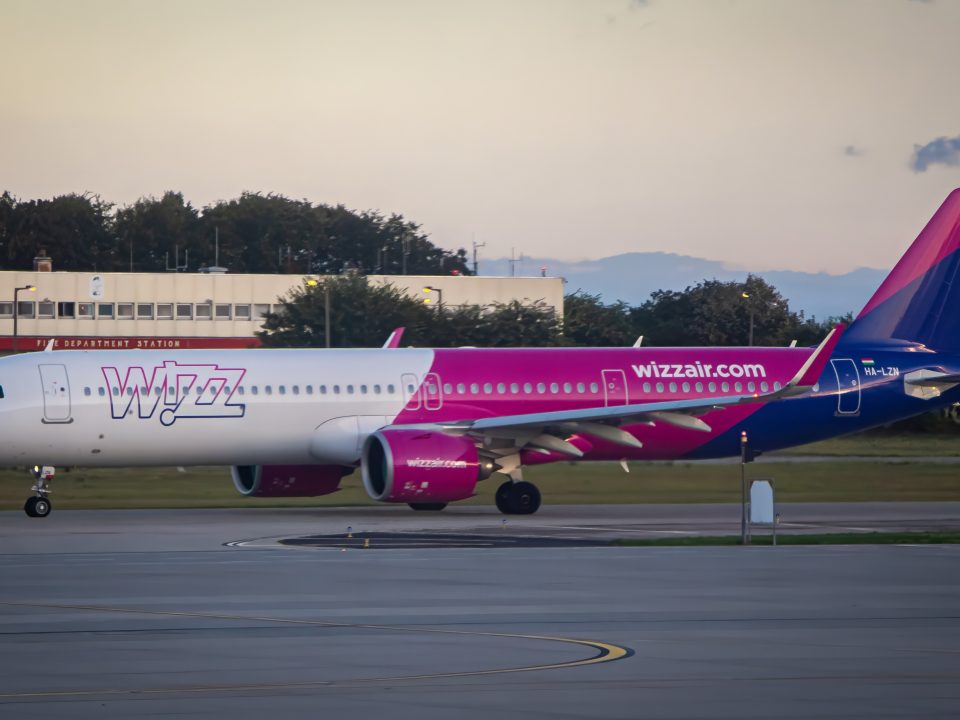
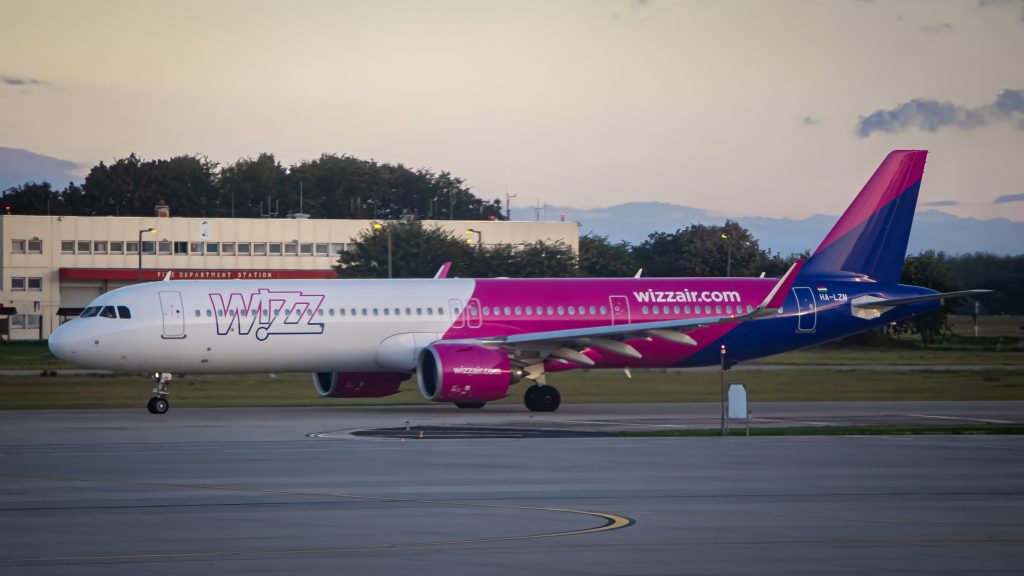
In Italy, a Finnair flight from Helsinki was escorted into Rome Fiumicino by Italian Air Force jets and landed normally. A Wizz Air flight from Milan to Warsaw was diverted to Vienna. A second Wizz Air service, from Milan to Bucharest, landed safely and was inspected on arrival. Flights from Thessaloniki and Porto to Milan Malpensa were also targeted.
Elsewhere, a second Finnair flight, from Helsinki to Vienna, landed as planned. Austrian police said Vienna Airport had received an email with a threat aimed at four flights. A LOT Polish Airlines flight from Warsaw to Brussels also landed as scheduled, and the airline said no suspicious items were found. In Denmark, police searched two aircraft at Copenhagen Airport.
Controlli in corso sul volo Helsinki-Roma della compagnia Finnair dopo l’allarme bomba scattato nella mattinata di giovedì 5 novembre. L’aereo è atterrato nello scalo di Fiumicino scortato dai jet dell’Aereonautica Militare. https://t.co/bemA1a6OLy
— Local Team (@localteamit) November 5, 2026
Thursday marks the third day of bomb alerts on European flights this week. On Monday, a Wizz Air flight from London to Sofia was diverted to Budapest. On Tuesday, around ten flights were targeted, leading to a brief closure of Warsaw airport and the scrambling of air force jets near Rome. In total, more than 20 hoax threats have been reported since Monday, at least seven of them involving Ryanair. No explosives have been found on any aircraft.
The UK government has described the incidents as malicious hoaxes. Marco Chan, an aviation expert at Kingston University, told the BBC that the threats were “most likely a hoax, but the system is right to treat it as real”.
The origin and motives behind the threats remain unknown. The wave comes as Europe faces a growing number of hybrid attacks, some of which authorities have linked to Russia or Iran. Recent incidents include cyberattacks on supermarket refrigeration systems in several countries, drone incursions, and fake warnings sent through hacked public alert apps in Russia and Ukraine.