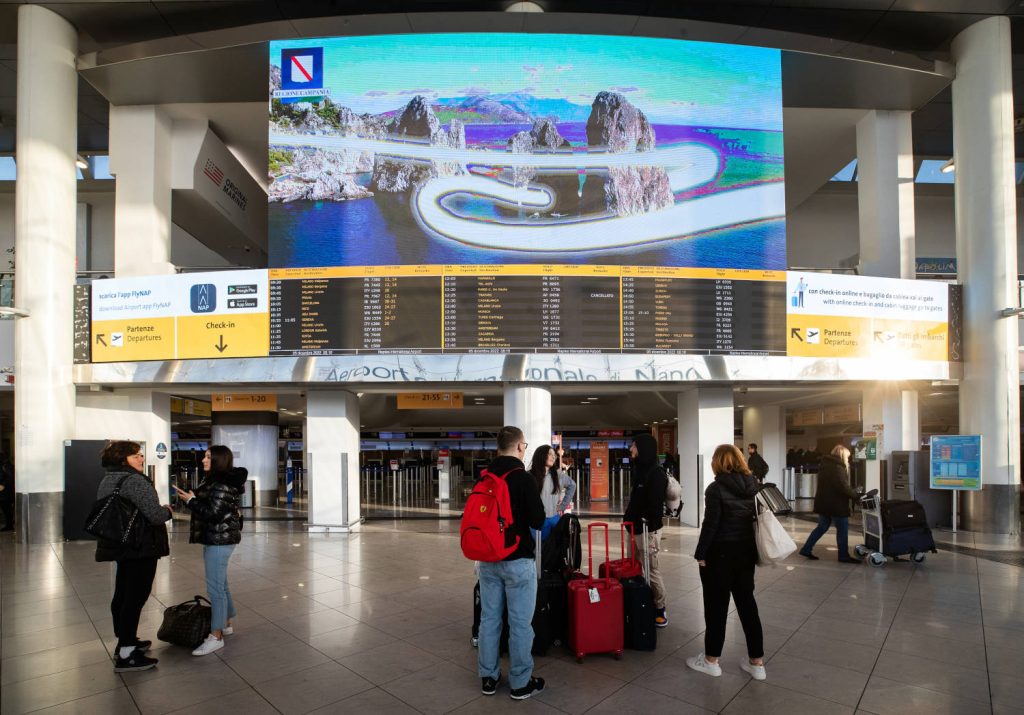



A general strike due to take place in Spain on 11 November 2026 is predicted to disrupt travel in the skies and on public transport, with a knock-on effect on roads, as well as affecting other services, cultural institutions, retail, and hospitality.
Set to last 24 hours, from midnight to midnight, the walk-out has been called by the nation’s two largest trade union groups (UGT and CCOO) and an array of others, including CGT and CNT. It is deliberately timed to coincide with street demonstrations by housing campaigners, in what will be the first joint general strike in Spain in 14 years. Falling in the middle of an election campaign, the strike call has caused some controversy.
‼️🚨‼️🚨‼️ ✊¡El 11 de noviembre todas y todos a la Huelga General! 🪧Salarios dignos, precios justos y vivienda accesible. 🔥La huelga se construye en cada centro de trabajo, juntas y juntos, porque el único camino es la organización. ¡Hágamos que llegue a más gente! 🫵Mándaselo a todo el mundo.
— Comisiones Obreras (@CCOO) October 8, 2026
It is hard to be precise about the exact impact of the industrial action, since workers in Spain are not legally obliged to tell their employers if they will join in or not. However, the atmosphere around the country is reportedly febrile, with widespread discontent about purchasing power and the provision of public services making itself felt. It’s worth remembering too that the strike preparations follow violent protests in neighbouring France. Travel advice from some governments, including the UK’s Foreign and Commonwealth Office, includes warnings about staying away from demonstrations, political gatherings, or marches.
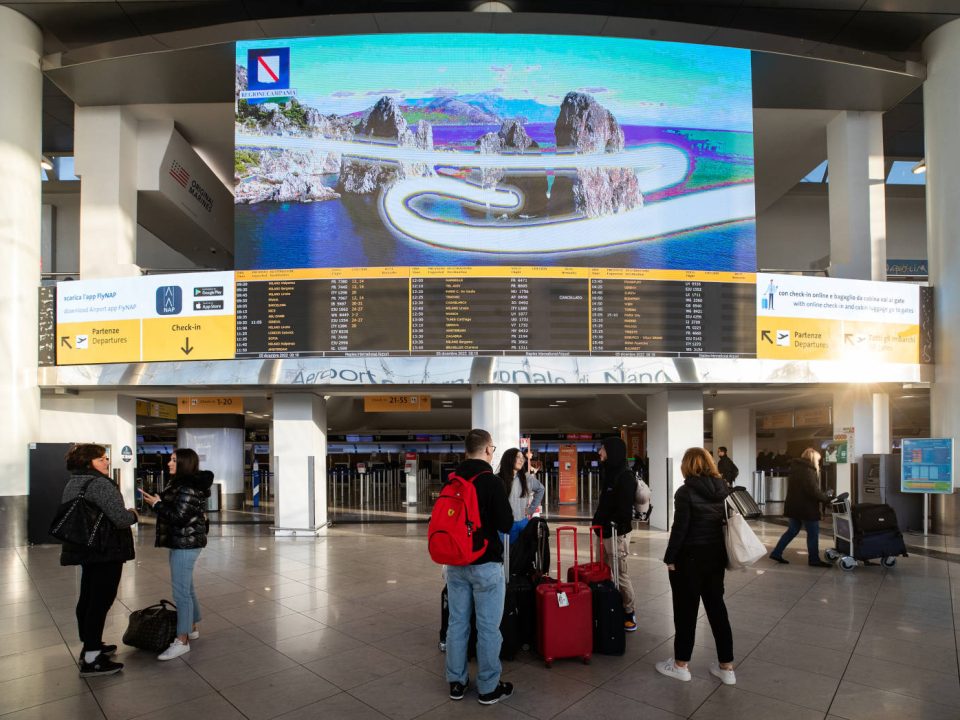
Airport and airline operations are likely to be halted by the absence of ground staff, air traffic controllers, and cabin crews. Buses and metro lines will be offering, at best, a minimum skeleton service, and trains too, including the Renfe and high-speed operations that were involved in a horrific collision near Toledo on 28 October, which has caused public grief and anger.
The difficulties facing travellers will probably extend beyond public transport, as commuters who would usually use other means spill onto the roads. Also spilling onto the streets will be a series of protest marches up and down the country, which are expected to bring parts of major cities like Barcelona and Madrid to a standstill.
⚠️Demonstration Alert –Demonstrations and protests continue to occur in Spain. While some demonstrations have been announced, including on October 31, other protests are spontaneous. Last minute changes can happen and may occur outside planned routes. Local authorities may increase security measures, including road closures, traffic restrictions, or increased security presence in areas where the demonstrations will occur. U.S. citizens should avoid demonstrations and areas of unrest. Stay away from areas with large crowds or significant police activity. Even peaceful protests can turn confrontational and escalate into violence. Actions to Take: – Avoid demonstrations and crowds. – Be aware of your surroundings. – Follow local media for updates. – Be prepared to adjust your plans. Plan alternative routes and allow extra time to travel. – Check for road closures on @DGTes – Notify family and friends of your safety. More info: https://t.co/g5JMcK1lo2
— U.S. Embassy Madrid 🇺🇸🇪🇸 (@USembassyMadrid) October 31, 2026
Tourist stays will also be affected by the potential shutdown of museums, galleries, restaurants, shops, and accommodation providers, which “may close or operate with limited holiday hours if staff join the walkout,” according to a roundup in the Majorca Daily Bulletin.
To avoid disruption or disappointment, visitors to Spain are advised to check their travel schedule for any details of cancellations ahead of time with their carrier and airport, as well as checking any private insurance policy terms. Cancellations due to strikes require customers to be refunded or rebooked on an alternative flight, but do not usually entitle travellers to compensation.
As well as feeding into the more generalised protest marches about the cost of living and in particular, housing, the industrial action aims to increase wages by up to seven percent, broaden access to affordable housing, improve working conditions, and defend social rights.