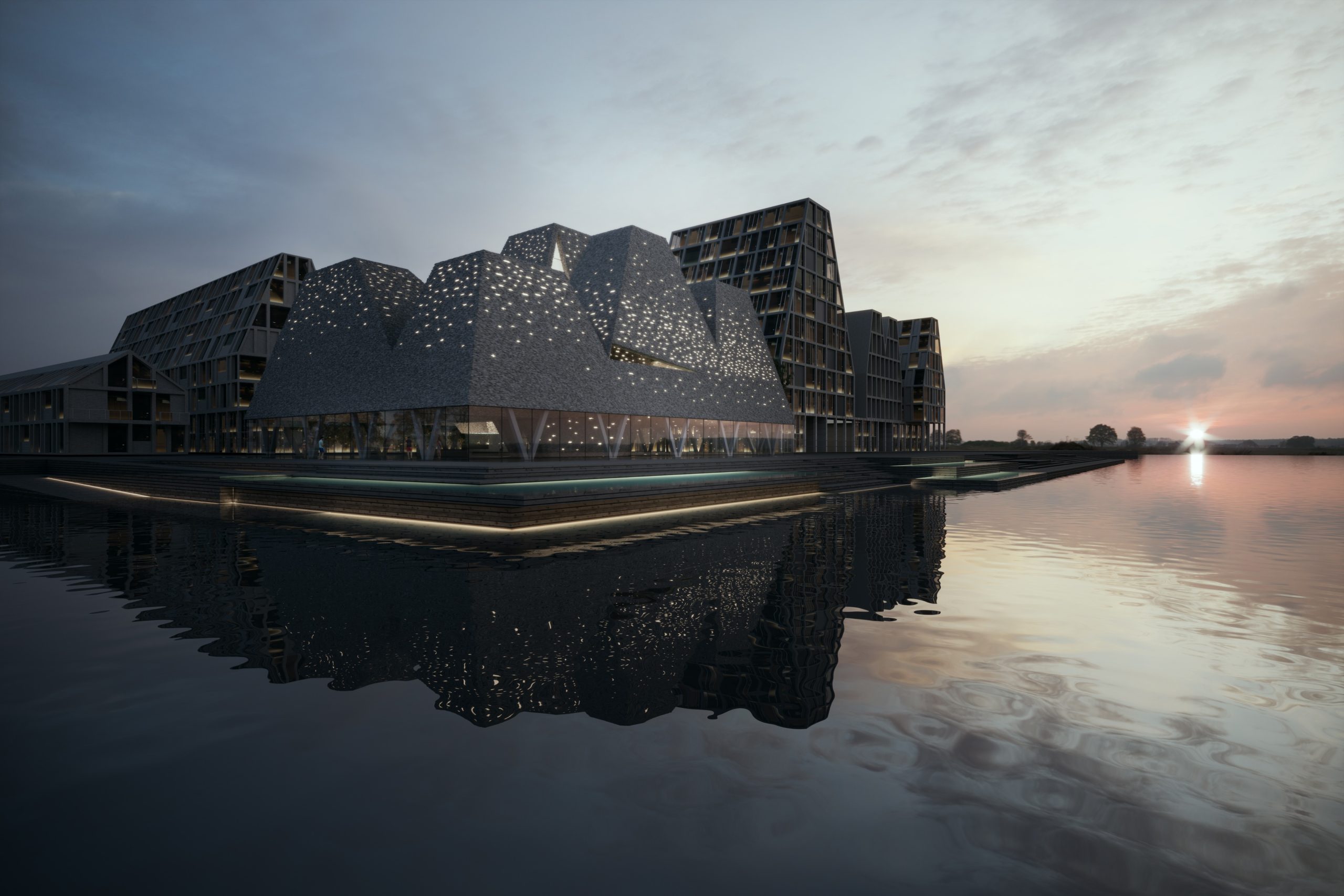


On 5 December 2026, Copenhagen will be welcoming a new public bathing facility. KAI, described as a Water Culture House, will offer ten pools, three saunas, and more.
The city of Copenhagen is continuously looking for ways to transform its former industrial port into a waterfront fit for community life. Back in 2015, the city asked locals for submissions regarding the future use of Paper Island, located in the inner harbour. Many of the ideas mentioned the need for a swimming facility, which eventually led to an international architectural competition, won by the Japanese studio Kengo Kuma & Associates.
After almost ten years, the result of that competition is about to open its doors. KAI, a reference to the Japanese word for sea and the Danish word kaj (quay), will be inaugurated on 5 December 2026.
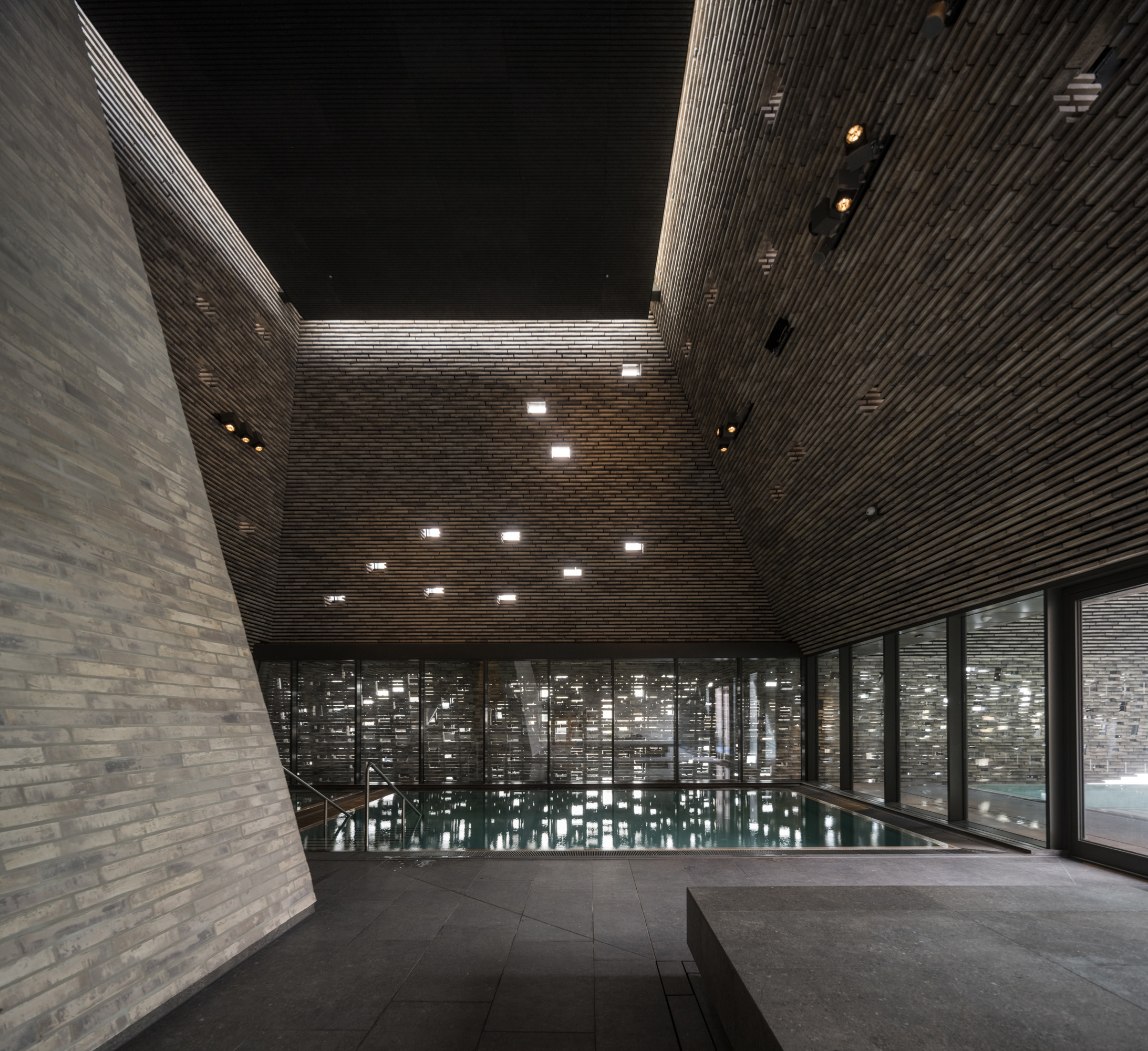
The 5,800-square-metre complex will feature 10 pools, three saunas, a heated stone, a steam bath, and several cultural spaces. Described as a Water Culture House, it will offer stunning views over the surrounding cityscape and harbour through its 403 windows.
Designed by Kengo Kuma & Associates in collaboration with Cornelius Vöge Atelier for Architecture and Vilhelm Lauritzen Architects, KAI Water Culture House is set to open on December 5, 2026, on Papirøen (Paper Island) in Copenhagen, Denmark. The 5,800 m² public facility combines ten indoor and outdoor pools, wellness facilities, cultural spaces, and access to Copenhagen Harbour. Follow the link to read more about this topic:https://t.co/iiJdCjfLeR
— ArchDaily (@ArchDaily) October 28, 2026
“The Water Culture House is a distinctive new landmark on Copenhagen’s waterfront. As Paper Island’s cultural cornerstone, the House is a civic institution dedicated to water and community, embraced by a public harbour bath. Open to all, it creates new settings for everyday life in Copenhagen, where physical and mental wellbeing can become a natural part of urban life,” says Yuki Ikeguchi, Lead Architect and Partner in Charge at Kengo Kuma & Associates.
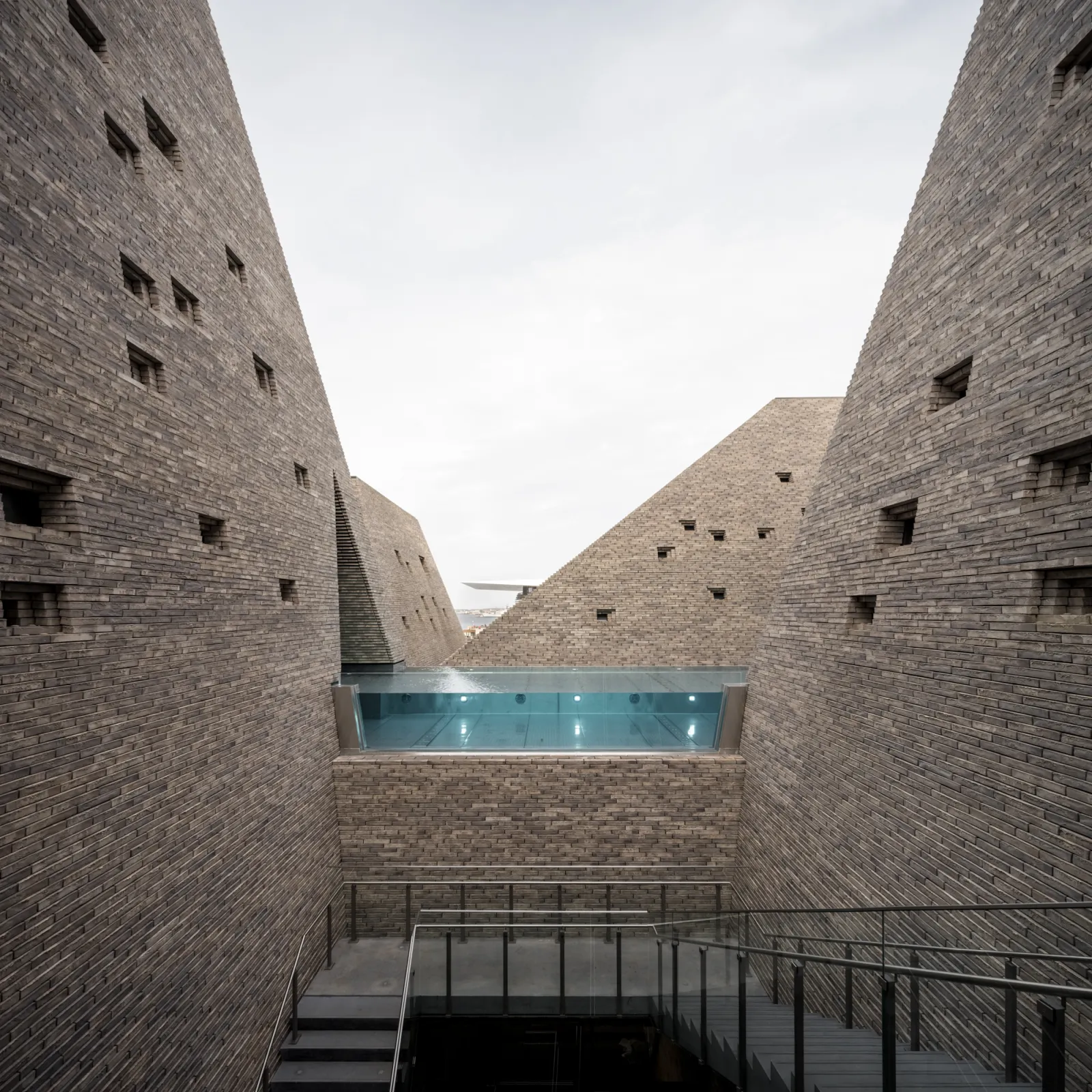
For the realisation of the project, the Japanese studio collaborated with Cornelius Vöge Atelier for Architecture and Vilhelm Lauritzen Architects. While the ground floor, featuring a fitness pool, teaching pool, and three children’s play pools, is entirely glazed, the upper floor consists of five brick towers which were shaped in relation to the pools beneath them. No less than 300,000 handmade bricks were used during the building process.
“I’m really excited about the opening of the Water Culture House. Copenhagen needs more swimming facilities, so it’s incredibly important that we are now getting new pools for adults, as well as paddling pools for children. I hope it will become the city’s new gathering point for water-loving Copenhageners and visitors alike,” says Copenhagen’s Lord Mayor Sisse Marie Welling.
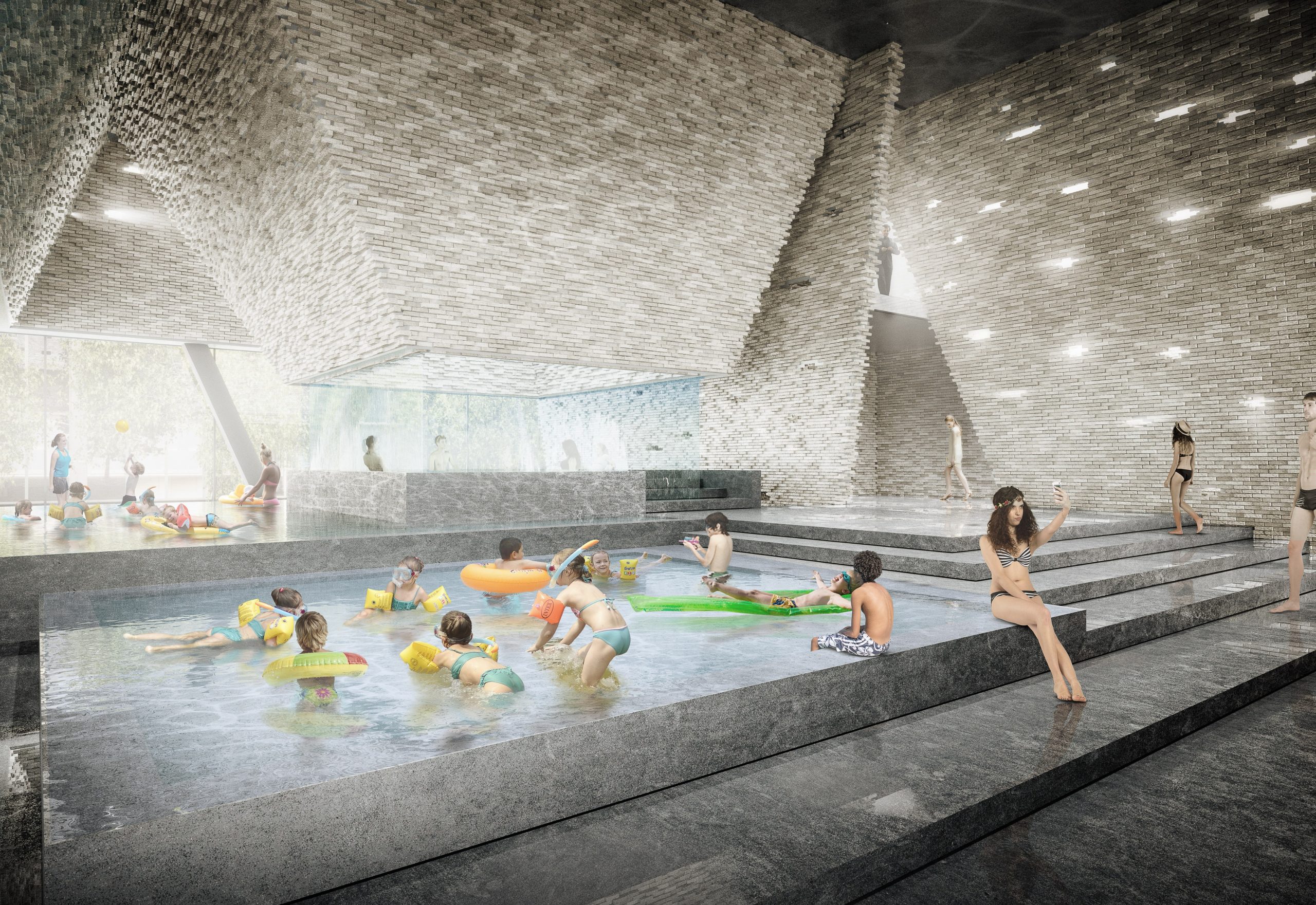
One of the building’s most memorable features will be the outdoor Valley Pool, situated between the brick towers and allowing bathers to swim under open skies through the changing seasons. The heated Onsen nearby will offer a panoramic view over the harbour.
“We are very proud to have helped make this new world-class swimming and community destination a reality for the people of Copenhagen. KAI will be both a welcoming place for everyone and an iconic landmark in one of the city’s most spectacular locations. It has the potential to become a new symbol of Copenhagen and a place that contributes to a high quality of life for the city’s residents,” says Henrik Lehmann Andersen, Chief Executive Officer of Nordea-fonden.
Aside from the above-mentioned facilities, KAI will also include a separate swimming and dipping zone along the waterfront in the harbour. They will be connected to the building by a timber boardwalk and are expected to open in early 2027.
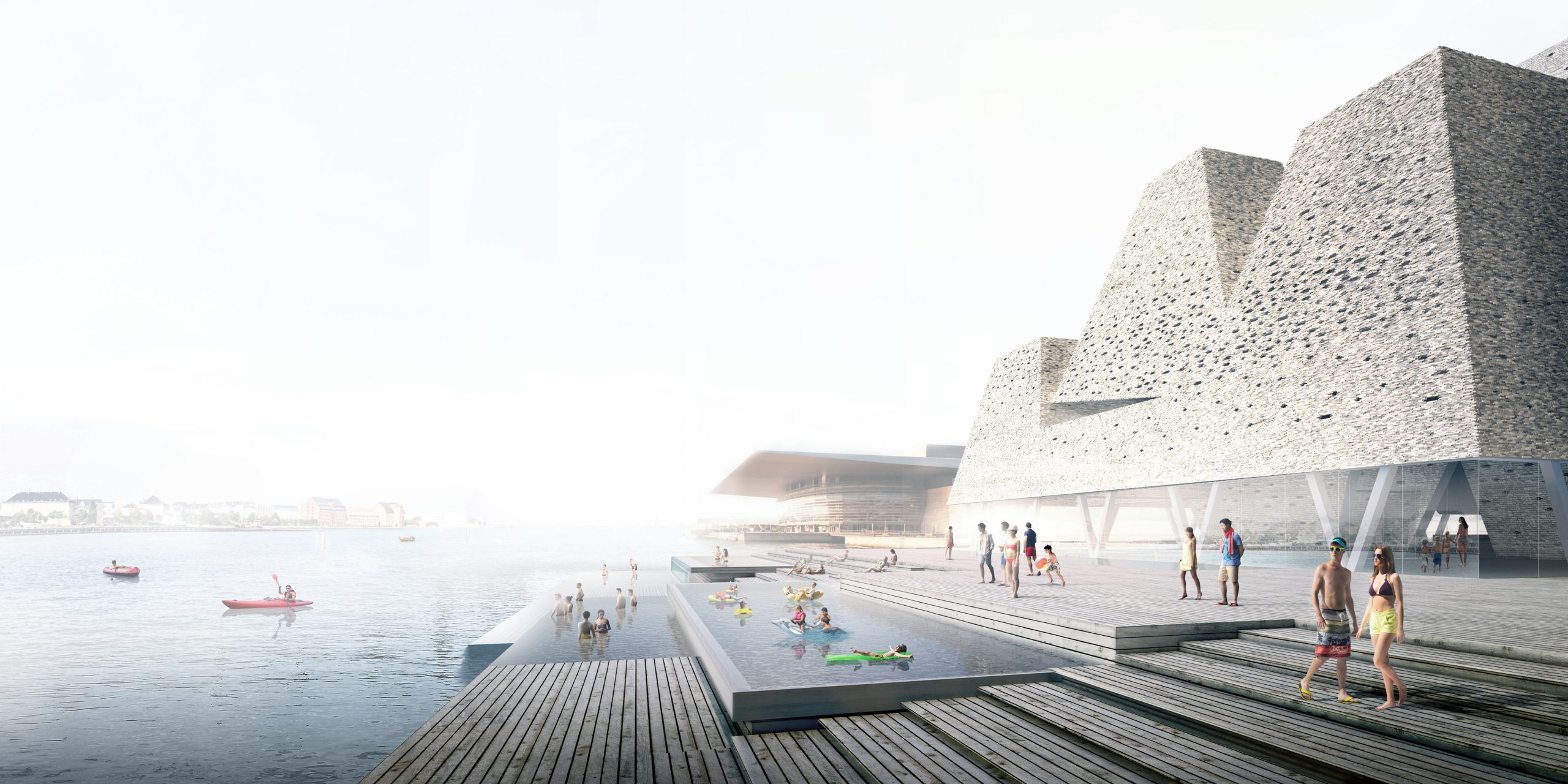
Despite its very luxurious looks, KAI’s admission prices will be aligned with Copenhagen’s other municipal swimming facilities. The indoor facilities will be open from 6:00 am to 9:00 pm, seven days a week, while the swimming and dipping zone in the harbour will be accessible year-round, 24 hours a day.