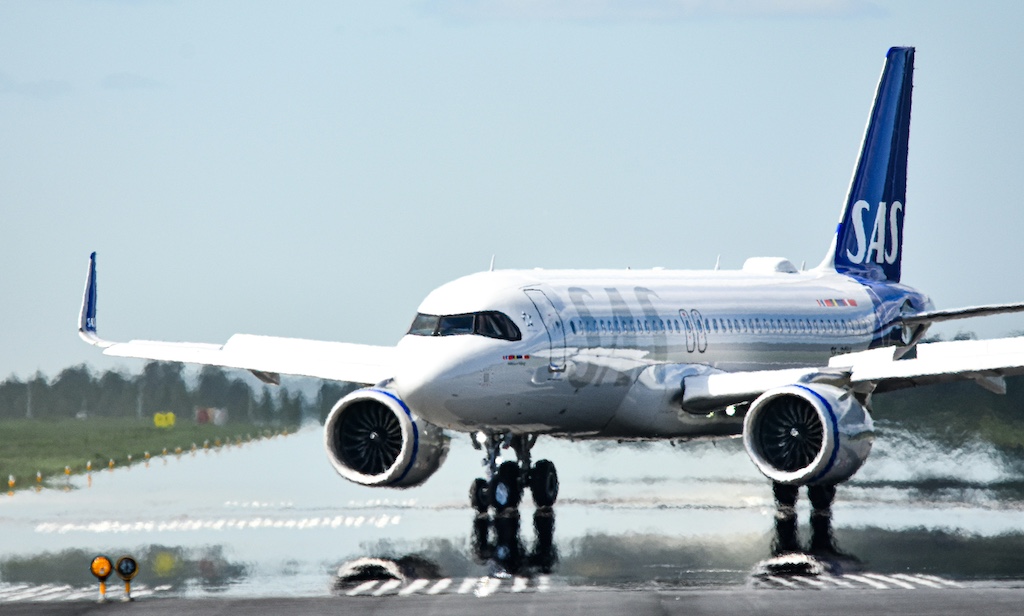



Scandinavian Airlines (SAS) has announced the largest aircraft investment in its history, placing an order worth $10 billion (around €8.75 billion) with Airbus. The agreement covers up to 40 widebody aircraft that will be used to modernise and expand the airline’s long-haul network. The investment marks a major step for the Scandinavian carrier, which emerged from bankruptcy only two years ago. It also reflects the airline’s confidence in future passenger demand and its ambition to strengthen its position in international aviation.
The agreement includes 18 Airbus A330neo aircraft, with additional aircraft forming part of the wider investment package. The A330neo is the latest version of Airbus’ A330 family and is designed for long-haul flights between continents. Compared with older aircraft, it consumes less fuel, produces less noise and offers a more efficient way of operating long-distance routes. While waiting for the new aircraft to be delivered from the early 2030s, SAS also plans to introduce a number of older A330-300 aircraft to support its expansion in the coming years.
The order represents a remarkable turnaround for an airline that has faced years of financial challenges. Like many carriers, SAS was heavily affected by the COVID-19 pandemic, which caused passenger numbers to collapse and placed significant pressure on its finances. In 2024, the airline completed a restructuring process under the United States’ Chapter 11 bankruptcy system, a legal framework often used by international airlines because many aircraft financing and leasing agreements are governed by US law. The process reduced more than $2 billion in debt, brought in new owners led by Air France-KLM, and allowed SAS to rebuild its business. One year later, the airline returned to an operating profit after recording heavy losses in 2024, giving it the confidence to invest in the future of its fleet.
Before selecting Airbus, SAS also considered aircraft from Boeing for its long-haul operations. Remaining with Airbus, however, offers several practical advantages. The airline already operates Airbus A330 aircraft, meaning pilots, cabin crew and maintenance teams are familiar with the type. Using aircraft from the same manufacturer also reduces the need for additional training, spare parts and new maintenance equipment. The newer A330neo shares many components with the existing fleet, making the transition smoother and helping to keep operating costs under control.
For passengers, the investment is expected to bring noticeable improvements over the coming years. Modern aircraft generally offer quieter cabins and consume less fuel than previous generations, making flights more efficient and reducing their environmental impact. The newer aircraft may also feature updated cabin interiors and improved onboard comfort on long-haul services. As SAS expands its fleet, travellers could also benefit from additional destinations and more frequent intercontinental connections from Scandinavia.
The fleet renewal follows another major investment announced by SAS last year, when the airline ordered 55 regional aircraft from Brazilian manufacturer Embraer. Together, the two orders form the foundation of the airline’s long-term growth strategy. SAS has also outlined plans to strengthen its operations at Copenhagen Airport, its main international hub. According to the airline, the expansion could support around 25,000 additional jobs and contribute approximately 25 billion Danish kroner (€3.35 billion) to Denmark’s economy by 2030 through increased connectivity, tourism and business activity.
The announcement also highlights a broader trend across the aviation industry, where airlines are replacing older aircraft with newer and more fuel-efficient models. Rising fuel prices, stricter environmental targets and growing passenger demand are encouraging carriers to invest in modern fleets that are cheaper to operate over the long term. For Airbus, the order is another important success in Europe, as the manufacturer secured the deal despite competition from Boeing. The company has recently remained in the spotlight for other reasons as well, including inspections of a number of older A380 aircraft after cracks were discovered in part of their wing structure. While those inspections concern an ageing aircraft model, the latest order underlines that airlines continue to place their confidence in Airbus’ newest generation of long-haul aircraft.