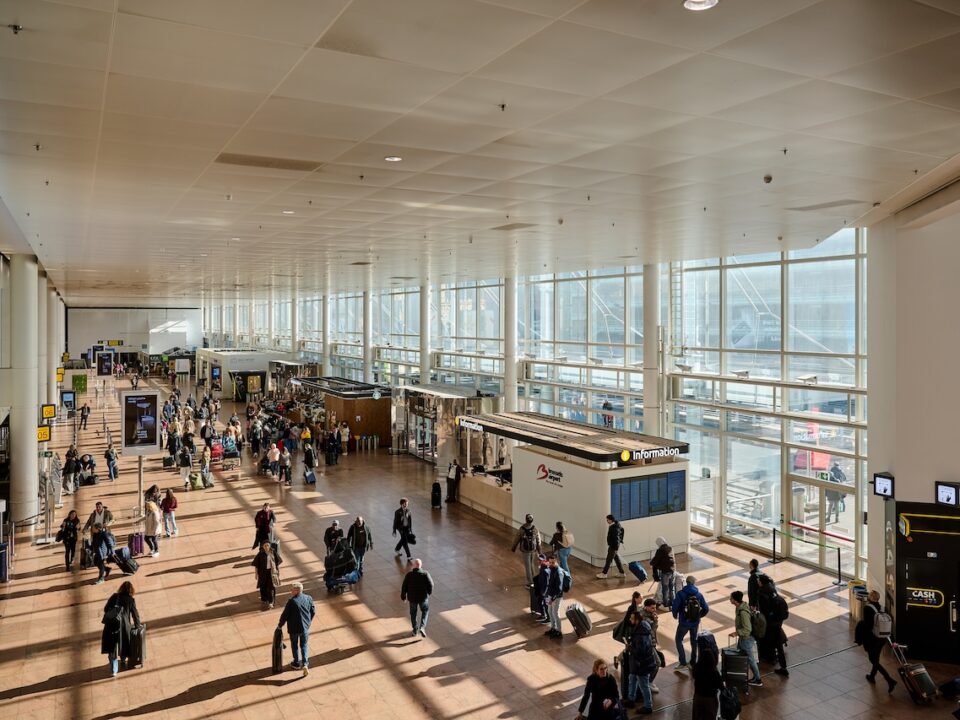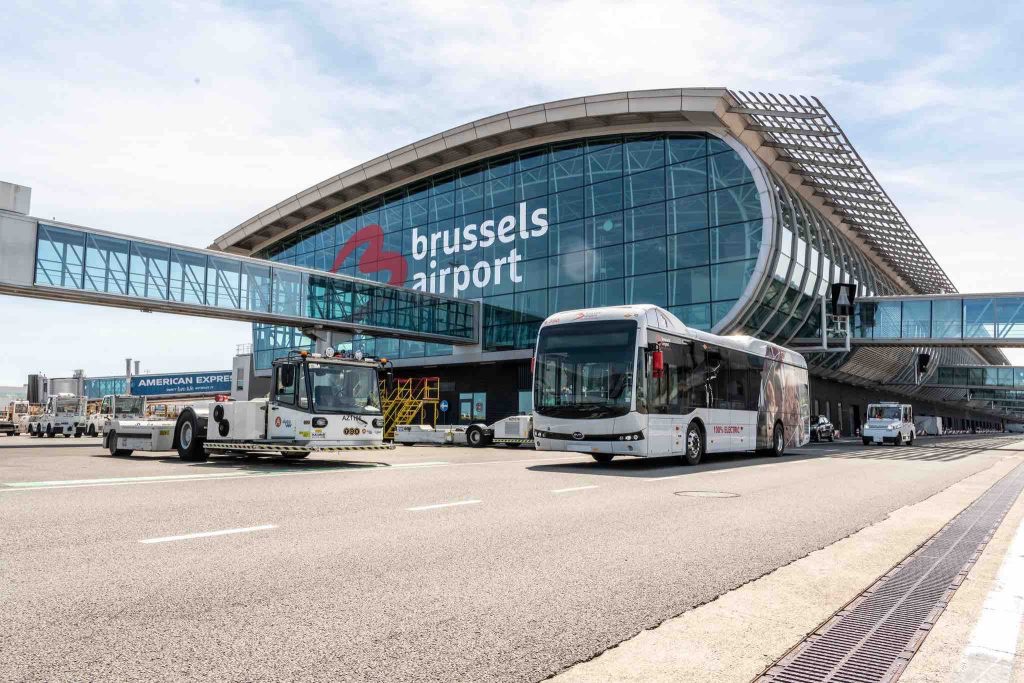


A record quantity of drugs was seized at Belgium’s national airport of Zaventem in 2025, with volumes doubling compared with 2024. Cannabis and ketamine were by far the most commonly smuggled substances.
The figures, amounting to nearly nine tonnes of drugs, were presented at the annual press conference of Belgium’s General Administration of Customs and Excise (AAD&A). The seizures involved both passenger traffic and cargo shipments transiting through the airport.
“Criminals are currently focusing their efforts on cannabis and ketamine,” said Kristian Vanderwaeren, General Administrator of Customs and Excise.
In 2025, law enforcement officials confiscated a whopping 1,767 kilograms of cannabis from travellers, which is approximately four times the quantity of the drug that was seized in 2024. Ketamine seizures reached 245 kilograms, representing a tenfold increase on previous years. Cannabis smuggling had already tripled in 2024, underlining a sustained upward trend.
The latter stays in Belgium for local use; ketamine is mainly exported. Cannabis is primarily imported mainly from the United States, Canada, and Thailand, while ketamine is sent onwards to destinations such as Australia, the United States, New Zealand, and Canada, where resale values are significantly higher.
Seizures from postal parcels also accounted for a growing proportion of the total. In 2025, customs intercepted 429 kilograms of cannabis and 172 kilograms of ketamine in postal traffic, compared with 378 and 143 kilograms respectively the previous year.
While the Port of Antwerp holds the grim distinction of having some of the highest levels of cocaine residue in its wastewater, reflecting large-scale trafficking, Brussels Airport has become a hotspot for increasingly ingenious concealment techniques.
Drugs have been found hidden in bizarre places such as Duplo blocks, as well as in artworks, toys, air-conditioning systems, and documents carried by passengers. A well-known method used is known as the “takeaway mode,” whereby an accomplice retrieves the bags containing the illicit substances directly from the baggage carousel.
In cargo traffic, customs have observed a rise in identity theft, whereby criminal networks fraudulently use the identities of legitimate companies to route illegal shipments through existing supply chains.
According to Vanderwaeren, the figures demonstrate that controls are effective. However, he warned that smuggling techniques are becoming “increasingly professional” and stressed that “national and international cooperation remains essential to disrupt these trafficking networks.”
In 2024, the AAD&A was already reporting a worrying rise in drug seizures at Brussels Airport, not only in terms of both quantities and types of substances intercepted, including synthetic drugs and kratom.
Beyond the airport, Belgian authorities are increasingly concerned about the broader impact of drug trafficking on public safety. According to the Belgian news agency Belga, Belgium and the Netherlands have become two of Europe’s key hubs for the production, distribution, and transit of illicit drugs. Local production mainly focuses on cannabis and synthetic substances, while the Port of Antwerp remains a major entry point for cocaine arriving from Latin America and destined for markets across Europe.