Ben Gurion Airport has recorded its busiest day since the start of the war triggered by the Hamas attack on Israel on 7 October 2023. According to the Israel Airports Authority, on Thursday, 14 August, more than 85,800 passengers passed through the airport on 502 international flights. Of these, around 43,700 travellers departed, while 42,100 arrived or returned.
This is the highest daily passenger total since 2023, when air traffic was still recovering from the impact of the pandemic. However, it remains below pre-war peaks: in August 2023, Ben Gurion handled around 2.8 million passengers, whereas this August the total is expected to reach 2.1 million.
The most popular destinations this summer are Greece, Cyprus, the United States and Italy. In order to handle the surge in passengers, the airport has reopened Terminal 1 for both international and domestic flights and has inaugurated a new 3,900-square-metre check-in and security screening hall in Terminal 3.
رقم قياسي لحركة المسافرين في مطار بن غوريون اليوم منذ بداية حرب "السيوف الحديدية"
— إسرائيل بالعربية (@IsraelArabic) August 14, 2025
اليوم، الخميس 14/8/2025، سيعبر في مطار بن غوريون حوالي 85,800 مسافر عبر 502 رحلة جوية دولية، قادمة ومغادرة. في المجمل، سيغادر اليوم نحو 43,700 مسافر على رحلات دولية، وسيدخل إلى إسرائيل حوالي 42,100… pic.twitter.com/k7X1t7x8Ie
Authorities have urged travellers to arrive three hours before their scheduled departure time, warning of long queues during peak hours, particularly before U.S.-bound flights at around 3 a.m. and again at 1 p.m. A dedicated website now offers real-time congestion level forecasts at the airport, ranked from ‘none’ to ‘record’.
Despite these preparations, ongoing disruption to international flights and limited capacity have pushed airfares to record highs. According to Israeli media reports, ticket prices this summer are up 61% compared to two years ago. Rome tops the list, with prices jumping by 119%, ranging from $259 to $567. Fares to Amsterdam and Berlin have increased by around 90%, while those to Bucharest, Budapest and Tbilisi have risen by 83% and 75% respectively. Fares to Bangkok are 57% higher.
Foreign airlines have been slow to resume operations, with most still running at reduced frequencies. Israeli carriers have stepped in to meet demand, accounting for 88% of bookings made in July with El Al, Israir and Arkia. Many passengers report feeling safer flying with domestic airlines, as they are considered less likely to cancel flights at short notice. This has resulted in unprecedented profits for Israeli carriers since the start of the war.
Several major international airlines are planning to return gradually. Lufthansa, Austrian Airlines and LOT Polish Airlines resumed flights on 1 August, while Brussels Airlines restarted on 13 August with just two weekly flights. However, trade unions in Belgium have warned that they may refuse to handle baggage from flights to and from Tel Aviv. Wizz Air resumed flights on 8 August, initially serving Budapest and Larnaca, before expanding to other destinations.
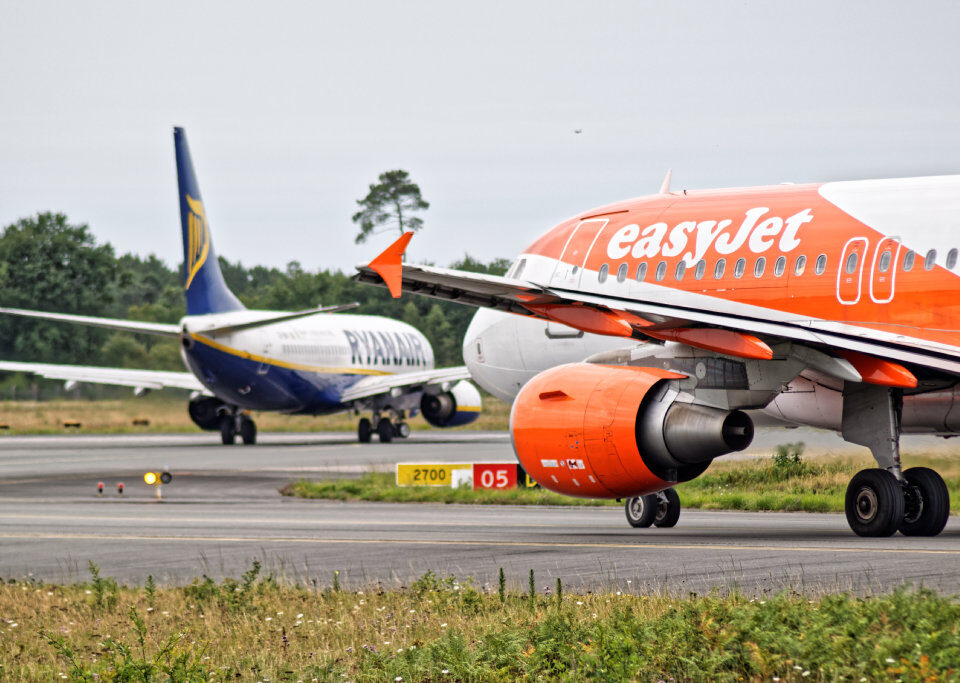
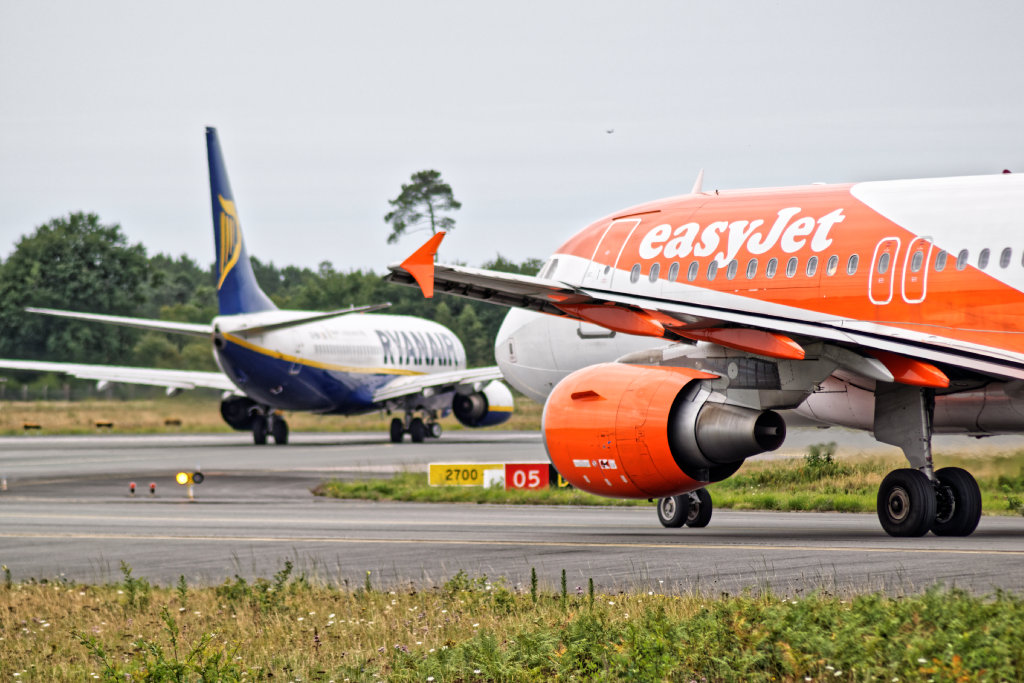
Others remain cautious. United Airlines returned at the end of July with up to two daily flights, but low-cost carriers Ryanair and easyJet have postponed their return until 25 October. Delta has suspended its Tel Aviv flights until the end of August, while Air Canada and British Airways have extended their cancellations into autumn.
Israeli airspace was closed for 12 days in June after Iran launched barrages of ballistic missiles and drones – forcing most foreign airlines to suspend or extend their cancellations. On Monday, the Israeli Defence Forces intercepted a Houthi-launched ballistic missile from Yemen; the Houthis claimed they were targeting Ben Gurion Airport. Since March 18, they have launched 68 ballistic missiles and at least 18 drones at Israel. Although the skies have reopened and passenger volumes are rising, international aviation in Israel remains far from the normality seen before the war.