Overwhelmed by queues lasting several hours, Lisbon Airport has called in the National Republican Guard (GNR) to restore order and reduce waiting times.
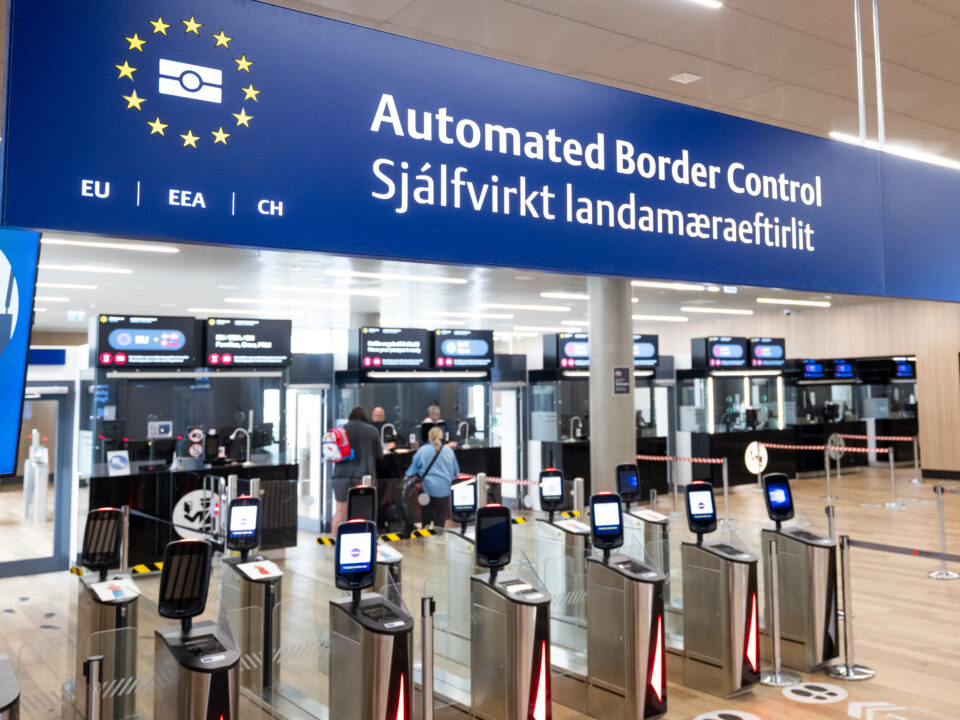
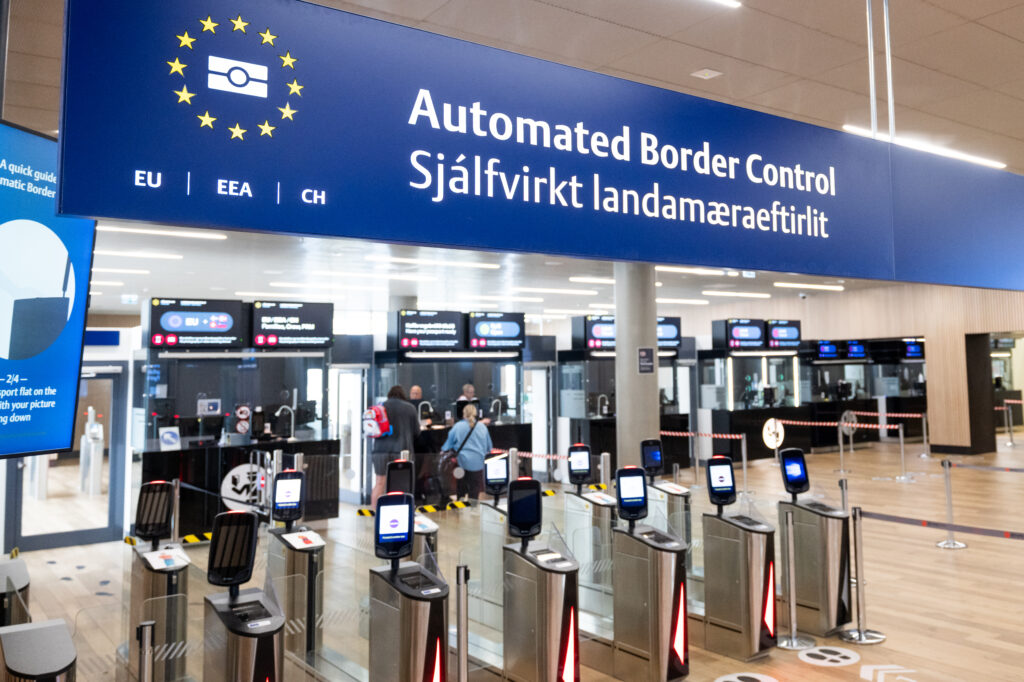
The situation at Humberto Delgado Airport in Lisbon, which was already under strain due to the introduction of the EU’s new Entry/Exit System (EES), deteriorated sharply in December, with some passengers reporting waits of up to seven hours. In response, the Portuguese government has reinforced staffing levels on the ground and temporarily suspended the new border-control system for non-EU travellers.
This followed months of complaints from travellers, as well as the establishment of an emergency task force at the end of October to manage the crisis. The EES became operational in Portugal on 12 October 2025, with additional biometric collection measures, including photographs and fingerprints, introduced on 10 December, further complicating processing at passport control.
Between 15 and 17 December, the European Commission carried out an unannounced assessment of Lisbon Airport and concluded that there were “serious deficiencies” in border security control. According to Portugal’s Diário de Notícias, the EU team highlighted flaws in the quality of border control and excessive waiting times. The assessment also warned that controls were being “simplified” without notifying the Commission, resulting in an “absence of exit controls” at Lisbon’s border crossing point.
Following the visit, the Portuguese authorities adopted urgent measures, beginning with the suspension of the EES for the next three months. In practice, this means reverting to manual checks for passengers arriving from outside the Schengen Area, including passport checks and stamping.
“The decision to temporarily suspend the EES was taken under the relevant European regulations, given the worsening constraints in the ‘arrivals area’ of Lisbon airport with non-European passengers arriving from outside the Schengen Area,” the Ministry of Internal Administration said in a statement on 30 December. The statement added that the ministry had also decided to immediately reinforce the human resources operating at the airport by utilising the certified border control capacity of the National Republican Guard.
Lisbon Airport had already been reinforced with 80 Public Security Police (PSP) officers over the Christmas and New Year period.
Hoje, às 07:00, no Aeroporto de Lisboa: mais de 3 horas de filas.
— Marco Galinha (@marcogalinha77) December 5, 2025
Turistas frustrados, famílias exaustas e uma imagem do país que não podemos normalizar.
Isto não é um episódio, é um problema estrutural que afeta a economia, a reputação e o futuro de Portugal.
Temos talento e… pic.twitter.com/dYiWmrOGHR
On 12 January, 24 GNR members were stationed in the arrivals area, although it remains unclear how long they will stay. GNR spokesperson Carlos Catanário said that they would work “flexible shifts” in teams of ten plus a supervisor and that they had received additional administrative training from the PSP, the National Civil Aviation Authority, and ANA, the airport operator.
Portugal’s largest police union, the Association of Police Professionals (ASPP), had warned of the situation in a letter sent to the Interior Ministry in November. In mid-December, the interior minister acknowledged in parliament that the rollout had gone “very badly,” citing planning failures, staffing shortages, and space constraints at Humberto Delgado.
The airport continues to warn passengers on its website that “due to changes in border control, increased waiting times are expected” and advises travellers to arrive early.
Portugal is not the only European country facing EES-related delays. A review by Airports Council International (ACI) Europe said the EES had resulted in border control processing times at airports increasing by up to 70 per cent, with waiting times of up to three hours during peak periods, and stated that Germany, Greece, Iceland, Italy, and Spain had also been particularly badly affected.