

If the debate is still on about what constitutes the safest rows on an aeroplane, there is far less contention when it comes to the worst one: the last row.
Known for being the most sensitive to every movement of the aircraft, it comes with a host of additional drawbacks. It sits right next to the economy class lavatories, where queues tend to form, people linger, chat, lean, and occasionally perch while waiting their turn. And to top it all off, you often cannot even recline your seat.
Not to mention the lingering mix of odours, once partially masked – or perhaps worsened – by cigarette smoke, back when the rear rows were reserved for smokers.
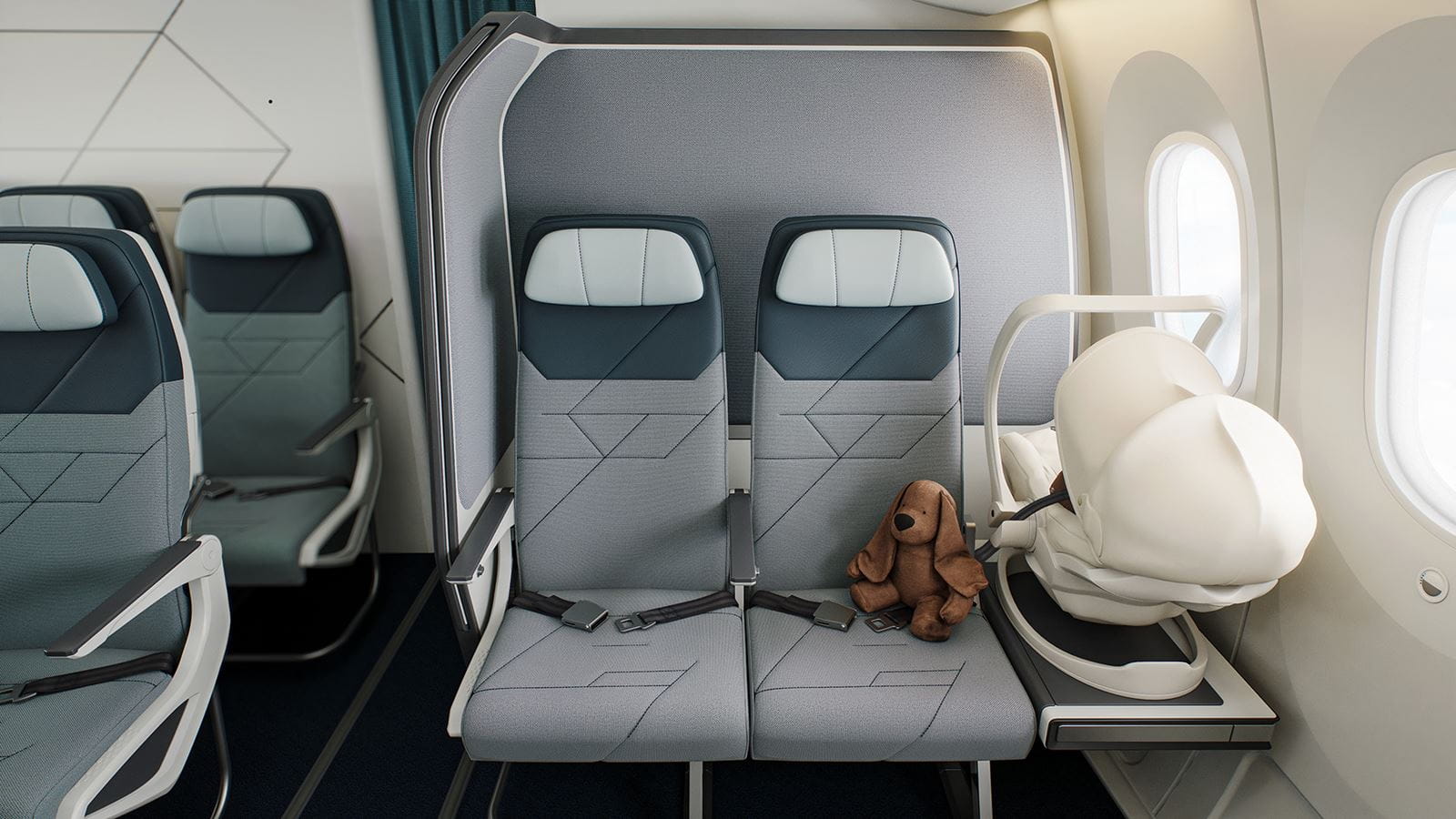
In an effort to remedy this and revamp the least desirable seats on board, Collins Aerospace has reimagined the space as a “semi-private retreat”, or “mini-suite”, aptly named SkyNook.
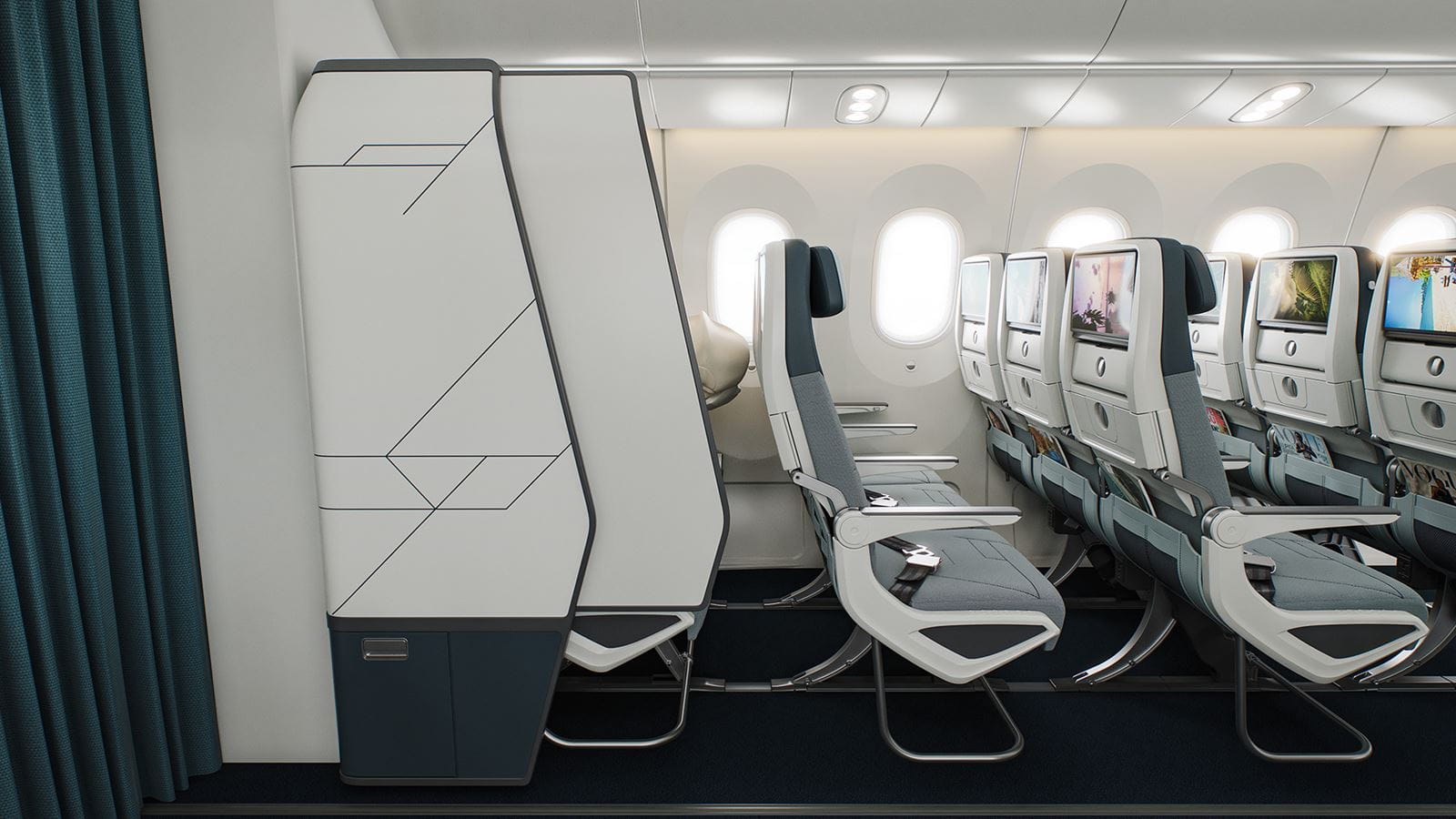
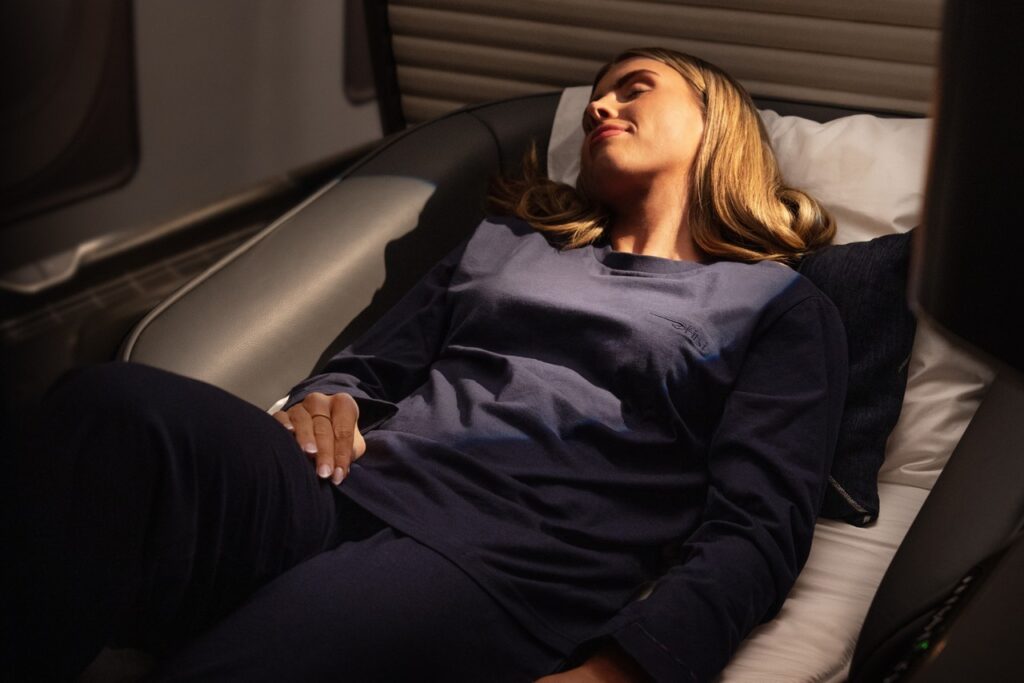
The aim is to turn it into a space travellers might actively seek out, rather than avoid. The design isolates the seat from the aisle with a deployable privacy divider, reducing noise and shielding passengers from passing traffic — an approach reminiscent of layouts typically found in premium business- and first-class cabins.
The company notes that the cocoon-like space allows passengers “extra seclusion to feed and soothe young children, minimise disruptions to fellow passengers, or simply relax in a more peaceful retreat”.
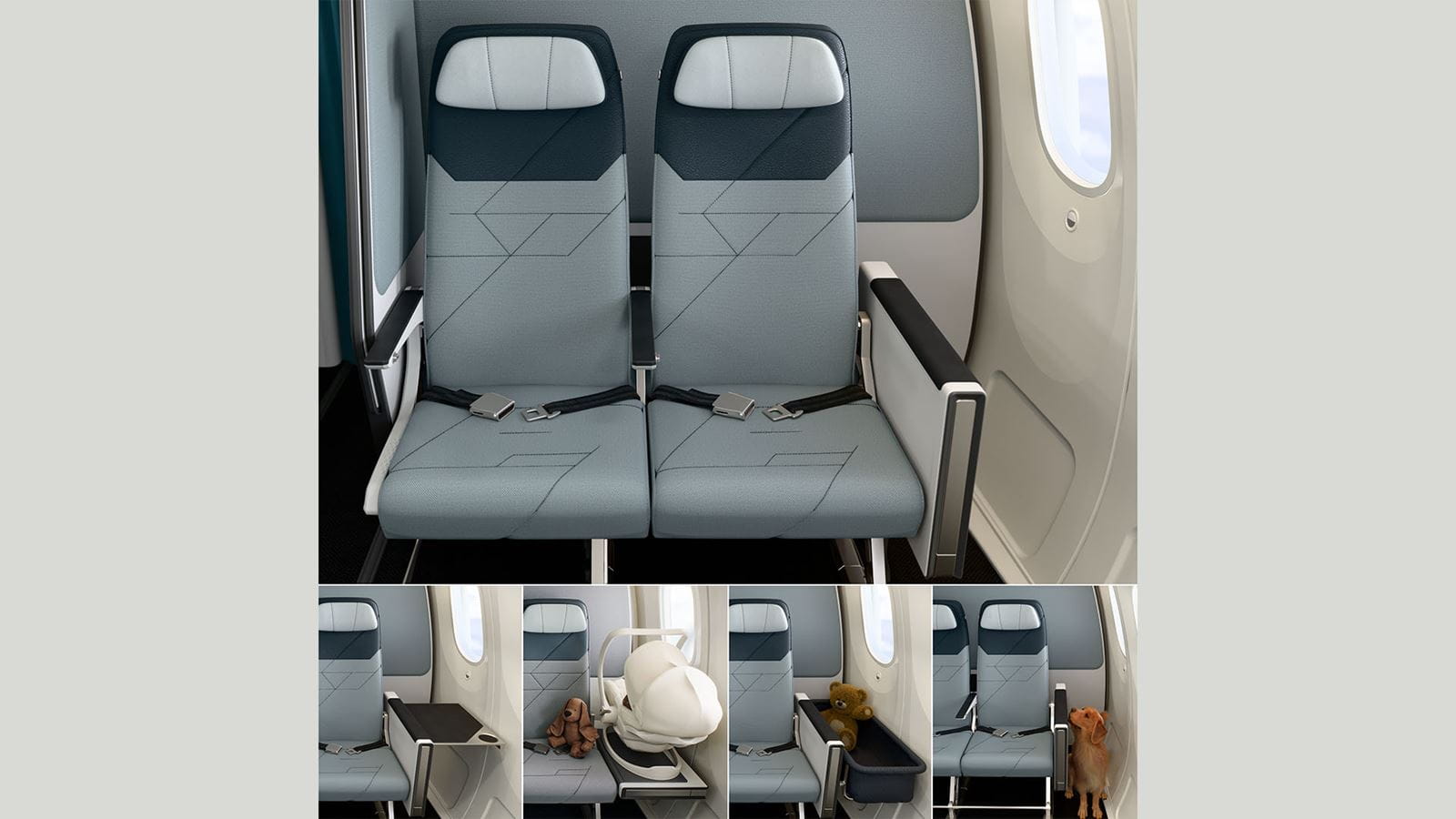
The design also makes use of an often-overlooked structural constraint, as “widebody fuselages taper inward toward the back of the aircraft, often reducing the standard triple economy row of seats into a double”, explains Collins. This, in turn, leaves “unutilised space between the sidewall and the seat”, which SkyNook turns into an asset.
The result is a more cocoon-like space with just two seats, where the additional room can be used for a bassinet, a pet, or simply a place to work or eat. The trade-off, however, is that it removes the possibility of lying across three seats. A Facebook user called it “a wasted opportunity” and said, “wider seats would make it much more attractive”.
In a press release, Jeffrey McKee, director of customer experience design at Collins Aerospace, said the concept is part of a broader effort to improve flying for all passengers, “transforming a frequently overlooked area into a serene retreat that maximises functionality, comfort and flexibility for families, passengers with service animals, or those with sensory considerations”.
The design has already received industry recognition, winning first prize in the passenger comfort category at the Crystal Cabin Awards, presented during the Aircraft Interiors Expo in Hamburg, a benchmark for cabin innovation.
Online, reactions have been mixed. Some users remain sceptical, dismissing it as “the same thing with a new way to charge more”, or doubting it will reach production, noting that “manufacturers love to show concepts that rarely make it onto planes”. Others see a practical fix. “This was the row clients complained about most,” one former travel agent wrote. “Great to make it more appealing.”
There is also cautious enthusiasm for the added space, though the branding raised eyebrows: “A suite? I guess I have a very different idea of what a suite is.”
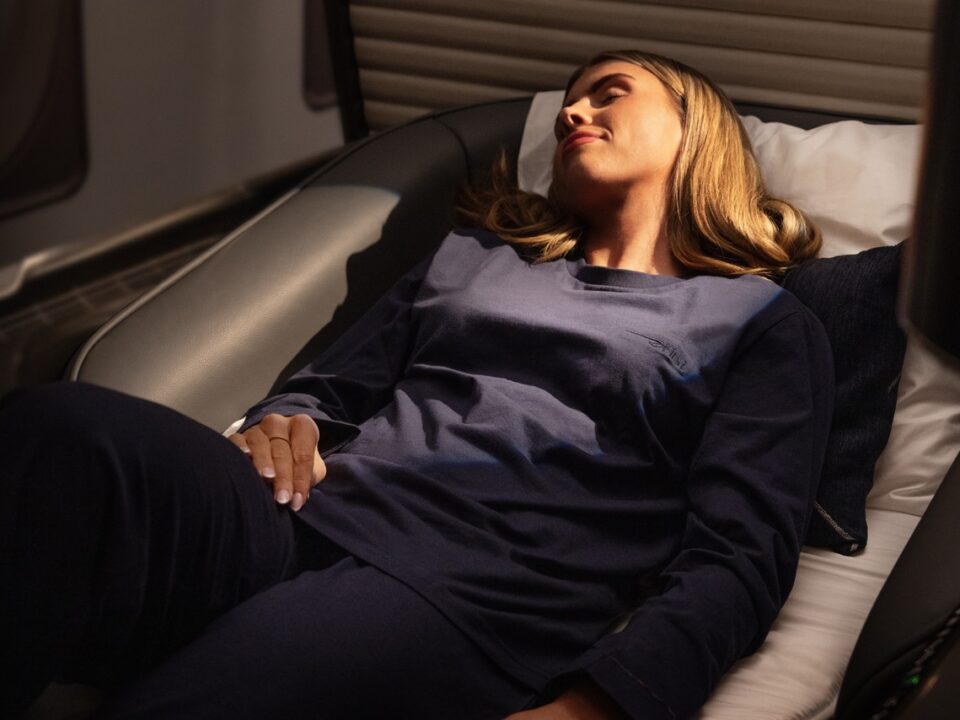
SkyNook is not the only concept attempting to rethink economy class. United Airlines plans to roll out a lie-flat option for economy passengers in 2027, while other designs include double-level seating concepts such as the Chaise Longue. Meanwhile, Air New Zealand is taking a more immediate step by introducing bunk beds for economy passengers, allowing travellers on long-haul flights to book a dedicated sleeping space for a few hours.