
German airline group, Lufthansa, announced on 29 September that it will cut around 4,000 administrative jobs by 2030, with the majority of reductions expected in Germany. The measure aims to improve efficiency and streamline operations by leveraging digitalisation, automation and artificial intelligence. According to the company, the job cuts will focus on administrative roles rather than operational staff, leaving pilots, cabin crew, and other frontline workers unaffected. Lufthansa stressed that the decision-making process will be carried out in close consultation with its social partners, and in line with German labour practices.
“The Lufthansa Group is reviewing which activities will no longer be necessary in the future, for example due to duplication of work,” the company said in a statement. “In particular, the profound changes brought about by digitalization and the increased use of artificial intelligence will lead to greater efficiency in many areas and processes.”
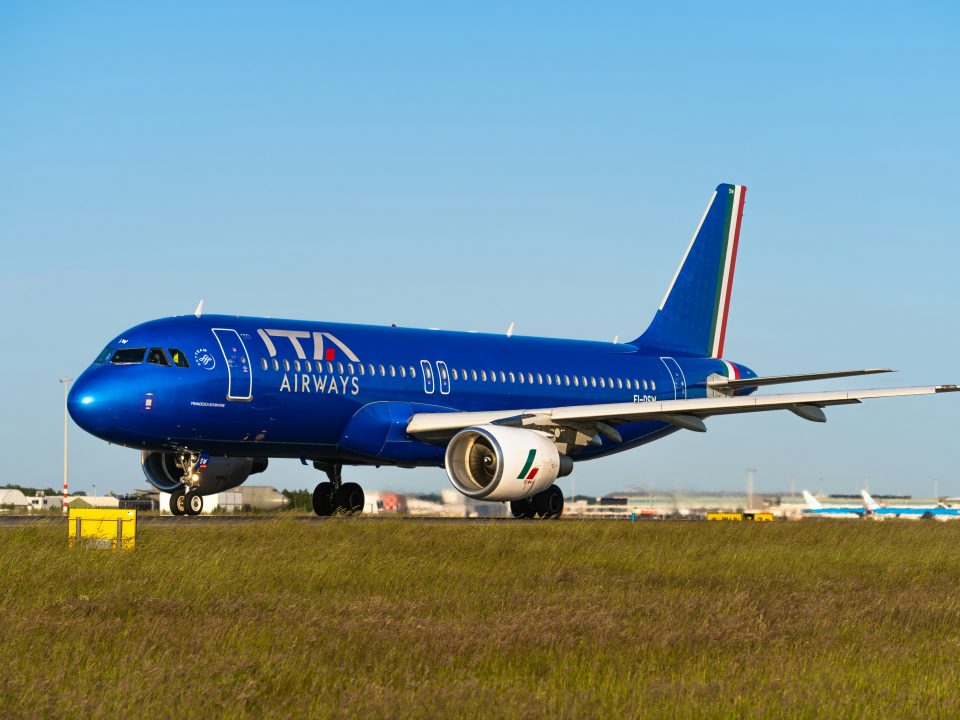
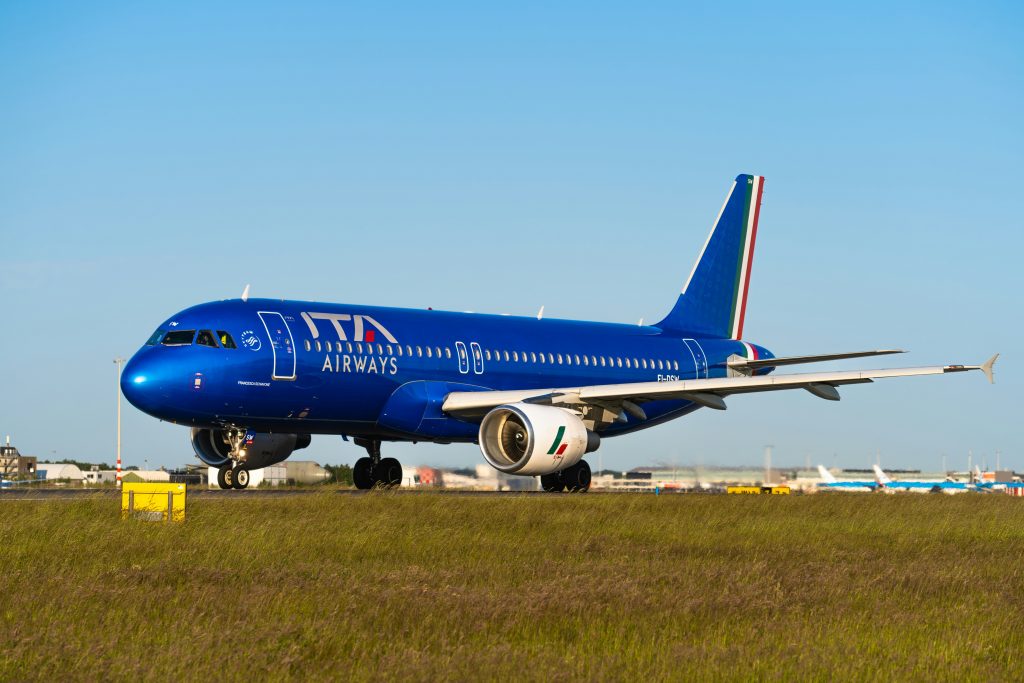
The move was unveiled during Lufthansa’s first group-wide Capital Markets Day in six years, where management outlined its new goals and reaffirmed plans to adapt the Group’s organisational and operational structure to enhance cooperation and clarify responsibilities across its airlines. The company plans deeper integration among its Network Airlines — Lufthansa, SWISS, Austrian Airlines, Brussels Airlines, ITA Airways, and Eurowings — to boost efficiency, streamline decision-making, and optimise short- and medium-haul network management.

The cuts amount to roughly 20 percent of Lufthansa’s non-operational workforce, according to Reuters. Labour relations are expected to be a flashpoint as the process unfolds, as the Group currently employs around 103,000 people. Analysts have cautioned that aggressive cuts may put service quality at risk, delaying aircraft deliveries and cabin upgrades, which might slow the airline’s modernisation plans. In recent years, Lufthansa has been under pressure for its high structural costs and complexity across multiple hubs and brands. The company issued two profit warnings in 2024, citing weak margin discipline and rising cost challenges.
Alongside the headcount reductions, Lufthansa pushed out more ambitious financial targets: it now aims for an adjusted operating margin of 8–10 percent from 2028 onward, and plans to generate more than €2.5 billion in adjusted free cash flow annually. It further plans to take delivery of over 230 new aircraft by 2030, including 100 long-haul airplanes, to support growth while improving operational efficiency.
The ambitious restructuring comes as Germany enters its second consecutive year of recession, with unemployment hitting a decade high. The economic downturn has hit major companies hard, pressured by Chinese competition, high energy costs, and slow adoption of new technologies. The announcement follows just days after industrial giant Bosch said it would cut 13,000 jobs, or three percent of its global workforce.